I’ve lost count of how many “tactical gurus” I’ve seen on YouTube trying to tell you that you need a complex, high-pressing system to handle a superior side. They’ll talk about “expected goals” and “positional rotations” like they’re solving a physics equation, but they’ve clearly never stood on a touchline in a November downpour watching their center-backs crumble. If you’re looking for a way to implement a sophisticated zonal press against a side that can move the ball faster than you can blink, you’re in the wrong place. Learning how to play against a stronger team isn’t about fancy geometry; it’s about survival and structure.
I’m not here to sell you on some revolutionary theory that sounds good in a classroom but falls apart when your midfielder gets a heavy touch. I’m going to tell you how to tighten the screws, how to stop your shape from turning into a sieve, and how to make a better team actually hate playing against you. We’re going to focus on the practical, gritty realities of staying compact and finding that one narrow window to strike back. No fluff, no jargon—just the stuff that actually works when the gap in quality starts to show.
Mastering the Low Block Tactical Setup
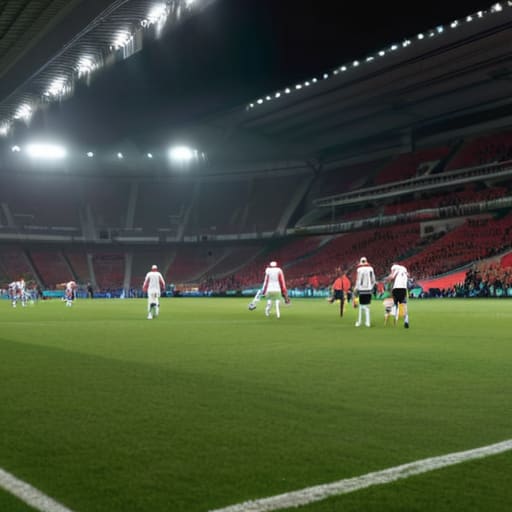
When you’re the underdog, you have to accept one hard truth: you aren’t going to win the battle for the ball. If you try to play an expansive, high-pressing game against a side that can pass circles around you, you’ll be dead by the twenty-minute mark. Instead, you need to implement a proper low block tactical setup. This isn’t about “parking the bus” and praying for a miracle; it’s about shrinking the pitch. I’m talking about getting your backline and your midfield so close together that there isn’t a single pocket of space for their number ten to turn in. You want to force them to play around the perimeter, away from the danger, rather than through the middle.
The goal here is disrupting opponent rhythm by making every inch of grass feel like a battleground. You aren’t looking to dominate possession; you are looking to minimize the possession gap by being compact and stubborn. If you stay disciplined, they will eventually get frustrated and start forcing passes that aren’t there. That frustration is your best friend. Once they overcommit, that is your moment for exploiting counter-attack opportunities to catch them while they’re still thinking about their next fancy dribble.
Minimizing the Possession Gap Without Losing Your Head
Now, let’s talk about the ball. If you’re playing a side that treats possession like it’s their birthright, you’re going to spend most of the afternoon chasing shadows. That’s fine. It’s expected. But there is a massive difference between being outplayed and being outworked. You aren’t trying to win a game of keep-away; you are disrupting opponent rhythm by making every single one of their touches feel like they’re playing in a phone box. If they can’t find a clean pass because your midfield is constantly stepping into their lanes, they’ll start to get frustrated. That frustration is where your game begins.
The goal isn’t to match their percentage; it’s about minimizing possession gap in the areas that actually matter. I don’t care if they have 70% of the ball if that ball is just circulating aimlessly in their own half. You want to stay compact, stay disciplined, and wait for that one moment of carelessness. When they overcommit, that is your cue for exploiting counter-attack opportunities. You don’t need twenty passes to score; you need one vertical ball and two players with enough lungs to make the sprint.
Five Ways to Keep Your Shape When the Pressure Hits
- Stop chasing the ball like it’s a runaway shopping trolley. If you’ve got a technical side coming at you, your players will burn their lungs out by the thirty-minute mark if they’re constantly lunging at shadows. Teach them to defend the space, not the man. If they leave their station to hunt a ball they can’t win, they’ve just opened a door for the opposition to walk right through.
- The “Seven-Second Rule” for transitions. Most grassroots teams lose games because they win the ball back and immediately pass it sideways or backwards out of panic. If you get it, you have seven seconds to make something happen—a direct ball, a progressive pass, or a quick burst forward. If you can’t go forward, get it into a safe pocket and reset. Don’t just hand it back to them like a polite waiter.
- Fix your communication before the whistle blows. I’ve seen too many teams collapse because they’re playing in silence. When you’re the underdog, you need constant, loud, simple instructions. “Left shoulder!” “Step up!” “Hold the line!” If your players are waiting to see what happens before they react, you’re already ten yards behind the play.
- Manage your “energy budget” wisely. You cannot press a superior side for ninety minutes; you’ll be dead by the hour mark. You have to pick your moments. Press high when they’re playing out from the back and looking complacent, but drop into your shape when they get into the middle third. Don’t waste your sprint capacity on battles you’re mathematically certain to lose.
- Don’t let the scoreboard dictate your discipline. The biggest mistake I see is a team going two goals down and immediately abandoning their structure to “go for it.” That’s when the floodgates actually open. If you’ve worked hard to keep a compact shape, stick to it. One well-placed counter-attack is worth more than twenty minutes of frantic, disorganized chasing.
The Bottom Line for Sunday Morning
Forget about having 60% possession; if you’re playing a side that can outpass you, your only goal is to make sure they have to work for every single yard of grass they take.
Discipline is a physical requirement, not a mental one; if your players stop tracking back because they’re tired, you haven’t failed them tactically, you’ve failed them in training.
Stop trying to play ‘the right way’ when you’re under the cosh; sometimes the best way to handle a superior team is to be stubborn, stay compact, and wait for the one moment they get sloppy.
The Final Whistle
At the end of the day, beating a superior side isn’t about some magic tactical tweak you found on a YouTube highlight reel. It’s about the fundamentals we’ve discussed: keeping your shape when the pressure mounts, refusing to chase shadows in a way that leaves your midfield looking like a sieve, and having the discipline to stay compact even when your lungs are burning. You don’t win these games by trying to play their brand of football; you win them by making the game uncomfortable for them. If you can manage your energy, keep your defensive lines honest, and avoid the panic that leads to silly mistakes, you’ve already done the hardest part of the job.
I’ve stood on plenty of touchlines where the gap in talent was so wide it felt insurmountable. But I have also seen a group of players, bruised and exhausted, hold a giants-sized club to a draw simply because they refused to break. Football isn’t always about who has the most expensive academy or the prettiest passing patterns; sometimes, it’s just about who is willing to suffer a bit more for the person standing next to them. So, go out there, keep your heads, and don’t let them make you feel small just because they have more ball than you. That’s where the real coaching happens.
Frequently Asked Questions
If we’re sitting in a low block all game, how do we stop our defenders from getting mentally exhausted and making a silly mistake in the last ten minutes?
It isn’t just about fitness; it’s about mental fatigue. When you’re parked in that low block, the brain starts to switch off before the legs do. You have to give them small, manageable targets. Don’t just tell them to “stay compact”—that’s too vague. Tell them, “I want us to stay within ten yards of each other for the next five minutes.” Break the clock down. If they’re hunting for small wins, they won’t drift.
How do I convince my players that playing "boring" football for sixty minutes is actually the smartest way to win, rather than just being scared?
Stop calling it “boring.” Boring is what happens when you sit on a bus for three hours. What I’m asking for is discipline. Tell them the goal isn’t to avoid playing; it’s to deny the other side the joy of space. If we don’t give them room to breathe for sixty minutes, they’ll start taking desperate, stupid risks. We aren’t hiding; we’re setting a trap. We play the long game so we can win the short one.
When we do manage to win the ball back, what’s the most effective way to transition without just hoofing it aimlessly into the stands?
Look, the instinct is to panic and launch it into the clouds the moment you win it, but that’s just giving the ball back to them for free. You don’t need a 40-yard diagonal; you need a ‘release valve.’ Find the player who has the most space and the least pressure. One or two crisp, vertical passes to get out of the congestion is plenty. Aim to find a teammate, not the parking lot.
