I’ve sat through enough committee meetings to know that most people approach the topic of how to find sponsors for a local club by trying to act like a corporate marketing firm. They spend weeks drafting “partnership proposals” on fancy letterheads and sending polite, soul-crushing emails into the digital void, hoping a CEO in a glass tower will suddenly care about a U-11s kit. It’s a complete waste of time. In my thirty-five years on the touchline, I’ve learned that if you want real money to keep the lights on and the balls inflated, you don’t need a glossy brochure; you need to learn how to have a proper conversation with the person behind the counter at the local garage.
I’m not here to teach you how to write a press release or how to chase “influencers” who wouldn’t know a corner kick from a cricket match. What I am going to do is show you the unvarnished reality of securing support that actually lasts longer than a single season. I’ll tell you exactly which local businesses are worth your time, how to talk to them without sounding like a salesman, and how to make sure they feel like they’re part of the club rather than just a walking ATM. This isn’t about corporate synergy; it’s about community.
Securing Local Business Funding Through Actual Community Partnership Benefi

Stop treating a local business like a walking ATM and start treating them like a neighbor. If you walk into the local garage with a generic sponsorship proposal template you downloaded from the internet, they’ll see right through you. They don’t care about your “mission statement” or your lofty goals for the regional playoffs. What they care about is whether the people in this town actually know their name. You aren’t just asking for a handout; you are offering them a seat at the table.
Real community partnership benefits come down to visibility that actually matters. Don’t just promise them “exposure”—that’s a word used by people who don’t have a budget. Instead, talk about tangible local presence. Tell the butcher that their logo will be on the training bibs the kids wear to the park every Tuesday, or that their name will be shouted out in every single social media update you post. When you focus on genuine local integration, you stop being a charity case and start being a partner in their business growth.
Why Your Sponsorship Proposal Template Is Failing the Reality Test
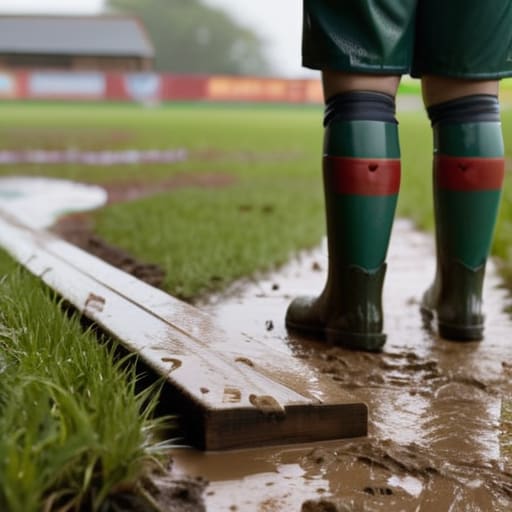
I’ve seen them all: those overly polished, twenty-page PDF documents that look like they were designed by a marketing agency in London. You sit there behind your laptop, tweaking the font and obsessing over a sponsorship proposal template that’s more fluff than substance. You’re trying to sound professional, but to the bloke who owns the local plumbing firm, you just sound like you’re reading from a script. He doesn’t care about your “mission statement” or your “synergistic growth potential.” He cares about whether his name is going to be seen by the fifty parents standing on a muddy touchline every Sunday morning.
The problem is that most of these templates fail because they are one-way streets. You spend the whole time talking about what the club needs—new bibs, goal nets, or pitch maintenance—rather than what the business gets. If your pitch deck is just a list of your club’s expenses, you aren’t selling a partnership; you’re asking for a handout. To actually succeed in securing local business funding, you have to stop acting like a charity and start acting like a local service provider. Stop pitching your “vision” and start pitching the value of being part of the community’s Saturday morning ritual.
Five ways to get a 'yes' without sounding like a corporate solicitor
- Stop looking for the big players and start looking for the people who actually live where your players live. A multinational corporation isn’t going to care about your U-12s’ new training bibs, but the local plumber or the lady running the corner shop certainly will. They want to be seen as the person who keeps the community running, not just a line item in a marketing budget.
- Trade in visibility, not just logos. Most coaches think slapping a name on a kit is the end of the job. It isn’t. If you can tell the local garage that fifty parents will see their sign every Saturday morning for the next twelve months, you’ve given them something real. Don’t sell them a logo; sell them a captive audience of local customers.
- Show them the kit, not the spreadsheet. If you’re sitting in a pub or a cafe trying to close a deal, don’t lead with a PDF of your projected budget. Bring the actual jersey. Let them touch the fabric. It makes the club feel real, it makes the investment tangible, and it reminds them they aren’t funding a bank account—they’re funding a team.
- Be honest about the ‘why’ before the ‘how much’. If you’re asking for money because the pitch is waterlogged and your equipment is held together by duct tape, say so. People are surprisingly generous when they realize their fifty quid is directly preventing a season of training in a mud bath. They want to solve a problem, not subsidize an administrative deficit.
- The follow-up is where most clubs lose the game. You get the cheque, you say thank you, and then you vanish until you need more money next year. That’s a mistake. Send them a photo of the kids in the new gear. Invite them down to a match. If they feel like part of the club, they’ll stay part of the club.
The Bottom Line for Your Club
Stop treating sponsors like an ATM and start treating them like neighbors; they aren’t just funding a kit, they are investing in the local kids you see every Saturday morning.
Ditch the professional jargon and the fifty-page PDFs—a firm handshake and a clear explanation of how many local families will see their logo will beat a glossy brochure every single time.
If you can’t tell a business owner exactly how their money keeps the lights on or the balls inflated, you aren’t selling a partnership, you’re just asking for a handout.
Stop Waiting for a Miracle
At the end of the day, getting a local business to back your club isn’t about having the most professional-looking PDF or a fancy logo on a website that nobody visits. It’s about moving away from those hollow, generic templates and actually building a bridge between your club and the high street. You need to prove that their money isn’t just disappearing into a black hole of kit bags and referee fees, but is instead an investment in the very fabric of the community. Forget the polished sales pitches; focus on real, tangible value and the kind of face-to-face accountability that a printed email simply cannot replicate.
Running a club is a relentless, thankless job, and I know how much it weighs on you when the coffers are running low. But remember, you aren’t just asking for a handout; you are offering a local business a chance to be part of something that actually matters. When you walk into that shop or that office, carry yourself with the confidence of someone who knows their club is worth the investment. It won’t always be easy, and you’ll hear ‘no’ more often than you’d like, but the clubs that survive are the ones that stop acting like beggars and start acting like essential community partners. Now, get off the sidelines and go get to work.
Frequently Asked Questions
What do I do if the local businesses keep saying they've already "done their bit" for the community this year?
When they tell you they’ve “done their bit,” they aren’t being rude; they’re telling you they’ve already spent their budget on a predictable charity raffle or a single kit sponsorship. Stop asking for more money and start asking for a different kind of help. If the cash drawer is closed, ask for the end-of-season trophy or the new training cones. Once you’ve proven you aren’t just another hand in their pocket, the cash usually follows next year.
How much of a cut should we actually be giving back to the sponsor in terms of kit or pitch signage to make it feel like a fair trade?
Don’t get caught up in percentages; that’s spreadsheet thinking. In the real world, it’s about visibility. If a local builder gives you enough to cover the whole kit, they shouldn’t just get a tiny logo on the sleeve; they should feel like they own a piece of the club’s identity. Give them the main shirt real estate or a prominent pitch-side board. If they feel like they’re just a footnote in your budget, they won’t renew next season.
If I'm just a volunteer with no marketing degree, how do I talk to a business owner without sounding like I'm begging for a handout?
Stop thinking like a solicitor and start thinking like a neighbor. You aren’t asking for a favor; you’re offering a connection. When you walk into the shop, don’t lead with your “sponsorship tiers.” Lead with the fact that fifty local families see their sign every Saturday morning. You aren’t begging for a handout; you’re offering them a seat at the table of a community that actually shows up. Be direct, be brief, and be honest.
