I’ve spent thirty-five years standing on sidelines where the wind bites through your coat, and if there is one thing I’ve learned, it’s that most of the “science” being sold to youth coaches today is absolute rubbish. You don’t need a £50 designer electrolyte bottle or a complex spreadsheet to understand how hydration affects football performance; you just need to look at your winger in the 70th minute. I’ve seen countless talented lads go from sprinting like gazelles to running like they’ve got lead in their boots, not because they lack talent, but because they’ve spent the afternoon running on empty. It isn’t a mystery, and it certainly isn’t something you can fix with a fancy marketing campaign.
I’m not here to give you a lecture on molecular biology or sell you a supplement. What I am going to do is tell you what actually works when you’re managing a squad of fourteen kids on a muddy pitch in November. I’ll show you the practical signs of dehydration that most coaches miss and give you a straightforward approach to keeping your players sharp from the first whistle to the last. No jargon, no hype—just the truth about keeping your team from hitting the wall when the game is actually on the line.
Why Athletic Cognitive Function and Fluid Loss Kill Your Game
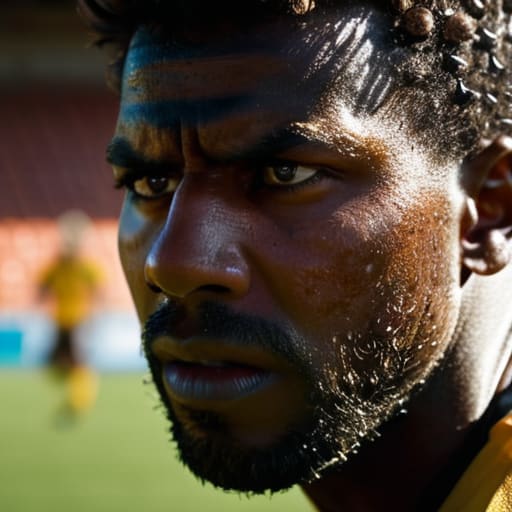
It isn’t just about the legs giving out; it’s about the brain switching off. I’ve seen it a hundred times. You’ve got a lad who’s technically brilliant in the first half, but by the time the sun’s been beating down on the pitch for sixty minutes, he’s making decisions like he’s playing in a fog. That’s the direct link between athletic cognitive function and fluid loss. When the body is parched, the brain slows down. He stops seeing the overlapping run, he misses the simple five-yard pass, and suddenly, your tactical shape looks like a heap of discarded laundry.
You can have all the tactical drills in the world, but they won’t matter if your players can’t process information. When they lose too much salt and water, their concentration slips, and that’s when the silly mistakes happen—the missed tackles or the misplaced long balls. If you want to stop that mental fade, you need to understand the impact of sweat rate on endurance. It’s not just about drinking when they feel thirsty; by then, they’re already behind the curve. You have to manage the decline before it starts.
The Impact of Sweat Rate on Endurance in Deep Winter

There is a common misconception among young coaches that if the thermometer says it’s five degrees and the wind is biting, you can skip the hydration talk. That is a fallacy that will cost you points. I’ve seen plenty of lads playing in freezing conditions, thinking they aren’t losing much, only to find themselves standing like statues by the second half. The truth is, the impact of sweat rate on endurance doesn’t vanish just because you aren’t sweating profusely in a t-shirt.
When you’re running high-intensity intervals on a hard, frozen pitch, your body is still working overtime to regulate its temperature. You’re losing fluids through respiration and through a steady, often unnoticed, perspiration. If you ignore this, you aren’t just looking at tired legs; you’re looking at a breakdown in electrolyte balance for high-intensity sports. Once those salts go, the cramping starts, and once the cramping starts, your tactical shape goes out the window. Don’t let a bit of frost fool you into thinking your players aren’t drying out from the inside.
Five Ways to Stop Your Players from Running on Empty
- Stop waiting for them to tell you they’re thirsty. By the time a player says, “I’m parched,” they’re already ten percent dehydrated and their decision-making is about to go out the window. Make water breaks non-negotiable parts of the drill rotation, not just something they do when the whistle blows for half-time.
- Get them to understand that water isn’t just for when they’re panting. If they show up to a Saturday morning kickoff having only had a coffee and a piece of toast, they’ve already lost. They need to be sipping steadily from Thursday onwards; you can’t fix a dry engine once the race has started.
- Don’t just rely on plain water if you’re running high-intensity sessions in the heat. If they’re sweating heavily for more than an hour, they need some electrolytes to replace what’s actually leaving their bodies. A bit of salt and sugar in the mix helps the water actually stay in their system instead of just passing straight through them.
- Watch the urine, even if it’s a bit grim to talk about. I tell my coaches to tell their players: if it looks like apple juice, you’re in trouble. It should look like pale lemonade. It’s the simplest, most honest metric we have for whether they’re actually prepared for the physical load we’re about to put them through.
- Monitor the “heavy legs” excuse. When a player tells me they’re “unfit” in the 70th minute, I don’t just look at their training log; I look at their water bottle. Half the time, they aren’t lacking fitness; they’re just lacking the fluid required to keep their muscles firing. Check their hydration before you start rewriting their conditioning program.
The Bottom Line for Your Next Session
Stop blaming a lack of “grit” when your players are actually just dehydrated; if they’re making sloppy decisions or losing their shape in the final quarter, check their water intake before you start shouting about their attitude.
Hydration isn’t just for the heat of July; if you’re running drills in a damp, freezing February, your players are still losing fluid through breath and sweat, and they’ll pay for it with heavy legs come the second half.
You can’t out-coach biology; no amount of tactical brilliance or fancy formation will save a team that’s running on empty, so make sure the habit of drinking is part of the training, not an afterthought.
The Bottom Line on the Touchline
At the end of the day, hydration isn’t some fancy sports science concept meant for professional academies with unlimited budgets; it is the difference between a player who makes a split-second decision to play the killer pass and one who loses their head because their brain is running on fumes. We’ve seen it a thousand times: the kid who has all the technical ability in the world, but because they skipped the water bottle during the interval, they end up making a lazy, heavy-legged mistake in the final ten minutes. It isn’t just about physical endurance or avoiding cramps; it’s about maintaining the mental sharpness required to actually play the game you’ve practiced all week.
You can spend hours drilling tactical shape and perfecting passing patterns, but none of it matters if your players are physically incapable of executing them when the pressure rises. Don’t let a lack of basic preparation be the reason your hard work goes to waste on a Sunday morning. Stop looking for the magic tactical tweak and start looking at the simple, practical habits that keep your players sharp from the first whistle to the last. If you want a team that stays composed when the lungs are burning and the legs are heavy, you have to respect the basics first.
Frequently Asked Questions
If I’m only playing a quick midweek training session in the cold, do I really need to worry about fluids, or is that just overkill?
Look, I’ve seen it a thousand times. A lad turns up for a Tuesday night session in January, shivering in his tracksuit, and thinks because he isn’t sweating buckets, he’s fine. That’s nonsense. You’re losing moisture just by breathing that cold air. If you go into a session already dry, you’ll be making sloppy passes and losing your head by the time the drills get intense. Drink something. It isn’t overkill; it’s common sense.
Is there any actual difference between a pint of water and those expensive sports drinks, or am I just throwing money down the drain?
Look, if you’re running a standard ninety-minute session in the rain, a pint of water is perfectly fine. You aren’t an Olympic sprinter. However, if your lads are playing high-intensity matches in the heat or they’re losing a ridiculous amount of salt through sweat, those sports drinks do have a job to do. They replace electrolytes that water alone won’t touch. But don’t let some marketing lad convince you it’s magic; if they haven’t hydrated all week, a neon-coloured bottle won’t save them.
How can I tell if my players are actually dehydrated during a match if they aren't complaining about being thirsty?
Don’t wait for them to ask for a drink; by the time they’re thirsty, they’re already behind the curve. Watch their eyes and their body language. If a player’s movement looks heavy—like they’re running through treacle—or if they’re starting to make sloppy, unforced errors in simple passing, they’re flagging. Also, check their skin. If you pinch the back of their hand and it doesn’t snap back instantly, they’re bone dry.
