I’ve sat on enough freezing touchlines to know that when a lad’s legs turn to lead in the 75th minute, most coaches reach for a tactical whiteboard or a lecture on “work rate.” They call it a lack of fitness, but I’ve spent thirty years learning that it’s usually just a lack of proper fuel. You don’t need a £200 supplement stack or some complicated, color-coded meal plan designed by a man in a lab coat who’s never had to sprint on a waterlogged pitch in November. If you’re looking for a complete guide to football nutrition that involves expensive powders and scientific jargon that makes your head spin, you’ve come to the wrong place.
I’m not here to sell you on miracles; I’m here to tell you what actually works when the pressure is on. My goal is to strip away the nonsense and give you the practical, no-frills reality of what your players need to eat to stay sharp from the first whistle to the last. We’re going to talk about real food, timing, and why that pre-match breakfast is often the difference between a win and a collapse. No hype, just the stuff that survives contact with reality.
Mastering Pre Match Meal Timing for Ninety Minutes of Focus
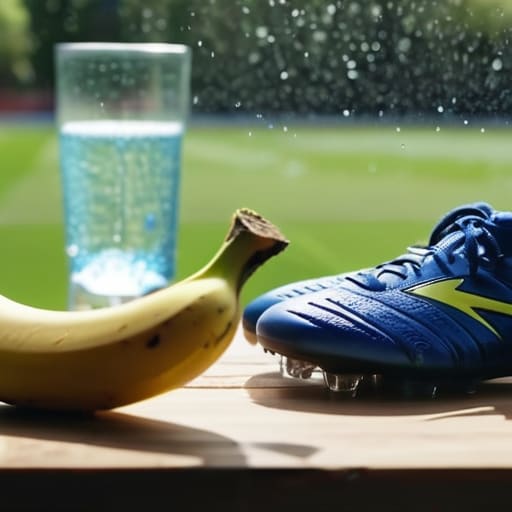
I’ve seen it a thousand times: a lad turns up to a Saturday morning kickoff with a breakfast of sugary cereal or, worse, nothing at all because he “wasn’t hungry.” By the time the second half rolls around, he’s not just tired; he’s vacant. He’s making mental errors, missing simple passes, and looking at the grass like it’s an enemy. Proper pre-match meal timing isn’t about eating a feast; it’s about ensuring the energy is actually available when the whistle blows. You want that fuel sitting in the tank, not sitting heavy in the stomach causing cramps.
Ideally, you want a solid, carb-focused meal about three hours before kickoff. This gives the body enough time to digest so they aren’t running around feeling like they’ve swallowed a brick. I’m talking about slow-release energy—porridge, pasta, or even a decent piece of toast—rather than the instant sugar spike that leads to a crash. If you get the macronutrient ratios for soccer players wrong here, you aren’t just wasting a meal; you’re effectively handicapping your players before they’ve even stepped onto the pitch.
The Science of Macronutrient Ratios for Soccer Players

Now, I’m not a nutritionist, and I’m not going to bore you with a lecture on molecular biology. But after thirty-five years on the touchline, I know what happens when the math is wrong. If you get the macronutrient ratios for soccer players wrong, you aren’t just looking at a sluggish player; you’re looking at a player whose engine stalls when the pressure mounts. You need a foundation of complex carbohydrates to keep the tank full, but if you ignore protein, you’re essentially driving a car with a full tank of petrol but no oil in the engine.
The balance is everything. Too much fat or heavy protein right before a session and your players will spend the first twenty minutes feeling like they’ve swallowed a brick. You want enough carbohydrates to fuel the sprints, but enough protein to support muscle recovery through diet once the whistle blows. It’s about stability. I’ve seen plenty of talented lads fly through the first half only to vanish by the sixty-minute mark because they treated their bodies like a bin rather than a machine. Get the ratios right, and you stop the mid-game collapse before it even starts.
Five Hard Truths About Feeding Your Players for Match Day
- Stop treating hydration like an afterthought. If I see a player walking onto the pitch with a half-empty bottle of lukewarm water after they’ve spent the morning running around in the sun, I know we’re in trouble. It isn’t just about thirst; it’s about preventing that mental fog that leads to a misplaced pass in the 70th minute.
- Get rid of the “junk food” excuse during the week. I don’t care if they’re teenagers; if they’re living on crisps and energy drinks from Monday to Friday, they aren’t going to magically transform into elite athletes come Saturday morning. You can’t build a house on a foundation of sand, and you can’t build match fitness on processed sugar.
- Watch the heavy fats before kickoff. I’ve seen too many lads go into a game after a massive, greasy meal, only to spend the first twenty minutes looking like they’re running through treacle. Keep the pre-match fuel light and digestible; we want energy in the muscles, not a heavy stomach that’s fighting for its life.
- The “Recovery Window” isn’t a suggestion, it’s a requirement. The moment that whistle blows, the clock starts ticking. If they don’t get some protein and carbohydrates back into their systems within thirty minutes, they aren’t just losing out on today’s recovery—they’re making themselves twice as sore for Tuesday’s training session.
- Don’t overcomplicate the supplements. I see coaches and parents throwing expensive powders at kids like they’re magic potions. Most of the time, if you’ve got the timing of the meals right and the hydration sorted, those fancy bottles are just expensive way of making your wallet lighter. Focus on real food first.
The Bottom Line for Your Matchday Routine
Stop overcomplicating the plate; if you haven’t eaten a decent balance of slow-release carbs and lean protein three hours before kick-off, you’re essentially asking your players to run a marathon on an empty tank.
Nutrition isn’t just about the meal before the whistle—it’s about preventing that inevitable mental lapse in the 75th minute when the body starts screaming for fuel that isn’t there.
Forget the fancy supplements and expensive powders; focus on the basics of timing and quality, because a player who’s fueled correctly is a player who can actually execute the tactics you spent all week drilling into them.
The Bottom Line on Fueling
Look, we’ve covered a lot of ground, from the timing of that pre-match meal to the actual balance of carbs and proteins required to keep a player moving. If you remember nothing else, remember this: nutrition isn’t a magic pill, but it is the foundation everything else is built upon. You can spend all week running high-intensity drills and perfecting your tactical shape, but if your players are showing up to kickoff with empty tanks, they are effectively playing with a handicap. You can’t coach away a lack of glucose, and you certainly can’t substitute a player out of a mid-game crash. Consistency is the only way this works; you can’t eat like a professional on Friday and expect to play like one on Sunday morning.
At the end of the day, I don’t care about the fancy supplements or the expensive powders you see advertised on social media. I care about whether your players have the energy to track back in the 85th minute when their lungs are burning and the game is on the line. Good nutrition is about respecting the game and respecting the effort your players put in on the training pitch. If you get the fueling right, you aren’t just giving them energy; you are giving them the ability to actually execute what you’ve spent all week teaching them. Now, stop reading about it and go make sure they’ve actually had a decent breakfast.
Frequently Asked Questions
What on earth am I supposed to feed them on a matchday when the bus isn't leaving until 10:00 AM?
The “early bus” problem is a classic. You can’t expect them to sit on a coach with a heavy stomach, but you can’t have them playing on empty either. Forget the big breakfast. I tell my lads to aim for something light and carb-heavy about ninety minutes before they board. Think porridge with a bit of honey or a banana and some toast. Keep it simple, keep it easy to digest, and for heaven’s sake, skip the greasy bacon rolls.
Is all this talk about protein actually necessary, or am I just overcomplicating things for a Sunday morning kickoff?
Look, if you’re playing a Sunday league scrap where the biggest physical threat is a muddy pitch and a heavy ball, you don’t need a laboratory. But if you’re asking if protein matters, the answer is yes—not for “bulking up,” but for repair. If your lads aren’t getting enough, they aren’t just tired; they’re brittle. They’ll be the ones picking themselves up off the grass with a groan in the 70th minute.
How do I handle the kid who refuses to eat anything but a bag of crisps and a chocolate bar before a game?
Look, I’ve sat on enough touchlines to see this a thousand times. You can’t win a war of attrition with a twelve-year-old over a bag of Walkers. If you force it, they’ll just get sick or rebel. Instead, try the “bridge” method. Don’t ban the chocolate, but tell them it’s the dessert after a bit of pasta or a banana. Aim for progress, not perfection. If they eat the crisps, they’ll crash by the second half.
