I once watched a lad spend three weeks begging his parents for a custom-printed, moisture-wicking professional kit, only to spend the entire match tripping over his own laces because the shorts were two sizes too big. We get so caught up in the aesthetics of the modern game that we forget the basics; people spend a fortune on “pro-grade” gear when they haven’t even grasped the fundamentals of how football kit and numbering works in a practical sense. It isn’t about looking like a Premier League superstar in a glossy catalogue; it’s about ensuring that when the referee is squinting through a driving rainstorm, he can actually tell your center-back apart from your striker.
I’m not here to sell you on the latest designer fabric or tell you that a certain number will magically improve your passing range. What I am going to do is strip away the nonsense and give you the straight truth about what actually matters when you’re lining up on a muddy pitch. We’ll look at the functional side of kit selection and why your numbering system needs to be more than just a random list of digits. I’ll show you how to get the essentials right so you can focus on the football, rather than arguing with a ref about who was standing where.
Surviving Fifa Kit Regulations Without Losing Your Mind
Look, I’ve spent enough Saturday mornings staring at a referee who looks like he’s about to fine me for something I didn’t even know existed. You can have the best tactical setup in the county, but if you haven’t checked the fifa kit regulations—or whatever local governing body is currently breathing down your neck—you might as well be playing in pajamas. It isn’t just about looking professional; it’s about avoiding that sinking feeling when the official tells you your kit is non-compliant ten minutes before kick-off.
The real headache usually stems from football uniform color conflicts. You think your navy shorts are fine until you realize the opposition is wearing something nearly identical, and suddenly you’re arguing with a linesman in a downpour about who has the right to the pitch. My advice? Don’t get clever. Stick to the standard football kit components that everyone recognizes. If the rules say the numbers must be a specific width or a contrasting shade, follow them to the letter. It’s much easier to spend twenty minutes checking a jersey than it is to spend an hour explaining to a group of frustrated teenagers why they’re sitting on the bench because of a font choice.
Standard Football Kit Components That Actually Hold Up Under Pressure
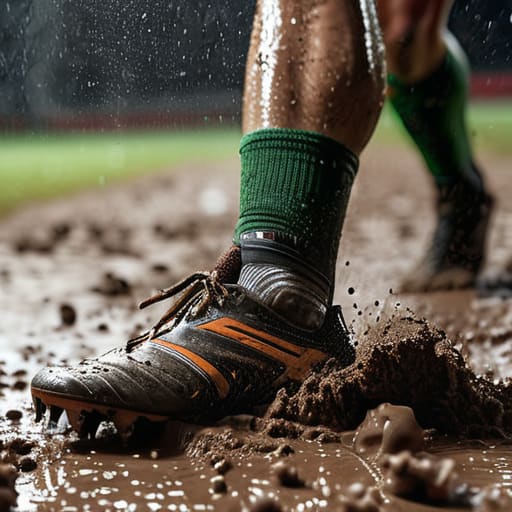
You can spend a fortune on the latest moisture-wicking, aerodynamic technology, but at the end of the day, you’re looking for gear that doesn’t fall apart when a midfielder gets caught in a heavy tackle. The standard football kit components are simple for a reason: they have to survive ninety minutes of mud, sweat, and questionable refereeing decisions. I’ve seen teams turn up in high-end gear that looks great in the club photo, only for the seams to start splitting by the sixty-minute mark. If your shorts aren’t durable and your socks don’t stay up, you aren’t playing football; you’re performing a comedy routine.
Beyond the fabric, you have to respect the functional side of the kit. This means ensuring your matchday kit requirements are met before you even step onto the pitch. It isn’t just about looking the part; it’s about utility. Your shinguards need to be secure, and your boots need to suit the surface, whether it’s a pristine hybrid pitch or a waterlogged patch of grass that’s more bog than field. If the basics aren’t solid, the rest of your tactical plan won’t matter.
Five Rules of Thumb for Gear That Doesn't Fail You at Kick-Off
- Prioritise visibility over vanity. You can spend a fortune on a kit that looks like a Premier League side, but if the numbers aren’t high-contrast against the shirt, you’ll spend half the match arguing with a referee who can’t tell your winger from your centre-back in the twilight.
- Test your numbering in the wet. I’ve seen too many clubs buy cheap, iron-on numbers that peel off halfway through a muddy Tuesday night fixture. If the number isn’t bonded well enough to survive a heavy tackle and a downpour, it’s not a kit; it’s a costume.
- Match the kit to the environment, not the catalogue. If you’re playing in a league where the wind cuts through anything, don’t bother with those thin, lightweight training tops that offer zero warmth. A player who’s shivering is a player who isn’t thinking about the tactical shape.
- Keep the numbering logical for the sake of your own sanity. While modern players love a ‘7’ or a ’10’, don’t let your squad pick random numbers that make it impossible for you to shout instructions. When you’re shouting “Number 4, tuck in!”, you don’t want to be searching your brain for who that actually is.
- Don’t neglect the socks and shin guards. It sounds basic, but I’ve seen enough lads try to play with socks that slip down to their ankles or shin guards that don’t actually cover the bone. If the kit isn’t secure, the player is distracted, and a distracted player is a liability.
The Bottom Line: What Actually Matters When You're Lining Up on a Sunday Morning
Don’t get distracted by the aesthetic; if your kit isn’t durable enough to survive a slide tackle on a muddy pitch or clear enough for a referee to see in the rain, it’s a waste of your budget.
Numbering isn’t just a formality for the league handbook; it’s about clarity on the pitch so you and your players can actually identify who is where when the game gets chaotic.
Follow the regulations because the last thing you need in the middle of a heated match is a technicality giving the opposition a free advantage just because your shirts looked a bit too clever for their own good.
The Bottom Line on the Kit
At the end of the day, we aren’t talking about fashion or looking like a Premier League side on a Sunday morning. We are talking about the basic logistics that keep a game from descending into chaos. If your kit doesn’t meet the regulations, you’re fighting a losing battle with the officials before the whistle even blows. If your numbering is illegible, you’re making it impossible for the ref, the linesman, and even your own teammates to know who is who when the intensity ramps up. Get the components right, ensure the numbers are clear, and stop worrying about the fancy brand names. Once you’ve sorted the functional basics, you can stop worrying about the paperwork and start focusing on the football.
I’ve seen plenty of teams show up looking like a million dollars, only to fall apart because they didn’t have the right gear for a muddy pitch or a sudden downpour. Don’t let the small stuff be the reason you lose your focus. A well-organized kit is a sign of a well-organized club, and that organization starts with the details. Focus on the substance over the style, and you’ll find that when the pressure hits in the final ten minutes, you have one less thing to worry about. Now, get your gear sorted, get your numbers on, and get out on the pitch.
Frequently Asked Questions
If we're playing in a local league with no budget, can we just use masking tape or permanent marker on the shirts, or is that going to get us a fine from the ref?
Look, I’ve been in enough muddy car parks to know the struggle, but leave the masking tape in the shed. If you show up with players looking like they’ve been vandalised with a Sharpie, you aren’t just asking for a fine; you’re asking the referee to lose his patience before the whistle even blows. Most local leagues are reasonable, but if the numbers aren’t clear and distinct, they’ll stop the game. Use cheap iron-on transfers or even just a bit of white fabric paint. It’s a ten-minute job that saves you a thirty-minute argument.
Does the number on the back actually matter for the players' positioning, or is it just a headache for the officials?
Look, the number doesn’t change how a lad hits a ball, but it changes how the game is managed. If you’ve got a midfielder wearing 4 and a center-back wearing 4, you’ve got a disaster on your hands before the whistle even blows. It’s not just about the ref’s headache; it’s about clarity. When the pitch gets crowded and the rain is coming down, players need to know exactly who is who.
How much do the actual materials of the kit affect player fatigue when we're playing in those heavy, water-logged conditions in mid-winter?
It’s a massive factor. I’ve seen lads look like they’ve run ten miles when they’ve only done twenty minutes, simply because they’re wearing heavy, non-wicking cotton or cheap polyester that turns into a wet sponge. When a kit holds onto water, it adds pounds of dead weight to every stride. In February, that extra weight isn’t just a nuisance; it’s what causes that late-game collapse. Get them in moisture-wicking gear or prepare for them to gash out early.
