I’ve spent thirty-five years standing on touchlines, watching players with more talent than sense crumble because they treated their bodies like a rubbish bin. I’m sick to death of seeing these modern “nutritionists” on social media peddling expensive powders and complicated fasting windows that nobody actually has time for on a Saturday morning. If you’re trying to figure out how to eat before a match by following a twenty-step ritual involving exotic berries and supplements that cost more than my first car, you aren’t preparing; you’re just wasting money. Most of that high-tech nonsense won’t help you when your legs turn to lead in the seventy-fifth minute.
I’m not here to sell you a lifestyle or a magic pill. What I am going to give you is the plain, unvarnished truth about what actually keeps a player moving when the lungs are burning and the rain is coming down sideways. I’ll show you how to fuel so you don’t find yourself gasping for air before the final whistle, focusing on simple, reliable food that survives the reality of a matchday schedule. No jargon, no hype—just the practicalities of staying sharp from the first whistle to the last.
The Glycemic Index for Athletes Avoiding the Mid Game Slump
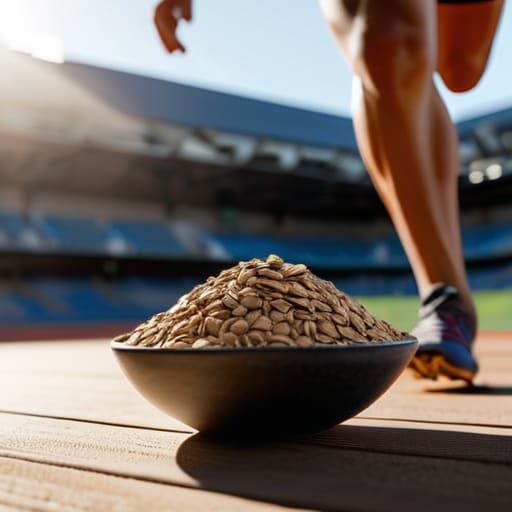
Now, I’m not a nutritionist, and I’m certainly not going to start talking to you about micro-grams. But I have seen too many lads sprint like gazelles for twenty minutes, only to look like they’re running through wet cement by the time the referee signals the second half. This usually comes down to the glycemic index for athletes, a fancy term for how quickly your food turns into energy and how quickly it vanishes.
If you go for a massive bowl of sugary cereal or white toast right before kickoff, you’re setting yourself up for a crash. You get that quick spike, you feel great for a moment, and then your blood sugar drops off a cliff. You’ll find yourself gasping for air by the seventieth minute because your fuel tank didn’t just run dry; it emptied itself all at once.
To avoid that mid-game slump, you want slow-release energy. Think complex carbohydrates—things like oats or whole grains—that sit in your system and provide a steady trickle of fuel rather than a sudden flood. It’s about sustaining the effort, not just starting it with a bang.
Optimal Macronutrient Ratio for Performance Under Pressure
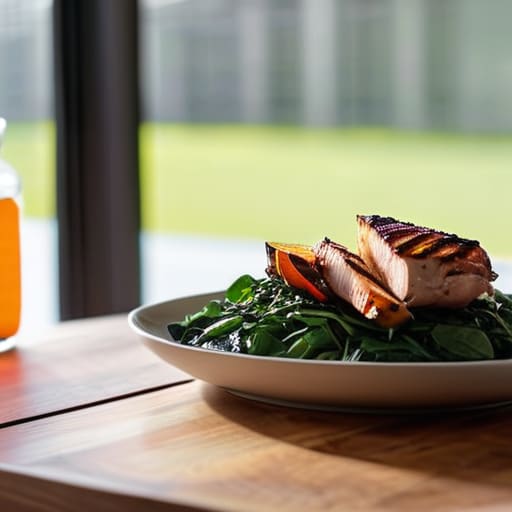
Now, I’m not a nutritionist, and I’m certainly not here to give you a lecture on calorie counting. I’m here to make sure your midfielders don’t look like they’re running through wet cement by the time the referee blows for the second half. To get that right, you need to understand the optimal macronutrient ratio for performance. It’s a fancy way of saying you need a balance of carbohydrates for fuel, a bit of protein to keep things steady, and very little fat or heavy fiber. If you load up on a greasy burger or a massive bowl of pasta drenched in heavy cream, you aren’t fueling; you’re just inviting a disaster.
The goal is simple: steady energy. I’ve seen too many lads show up with nothing but a sugary energy drink in their system, only to see them hit a wall twenty minutes in. You want your pre-game meal ideas to focus on complex carbs that provide a slow burn. Think of it like a wood-burning stove versus a pile of dry paper; you want the steady heat that lasts the full ninety, not a flash of flame that leaves you cold and shivering when the pressure mounts.
Five Rules to Stop Your Players from Running on Empty
- Timing is everything; don’t be the coach who lets a lad eat a massive plate of pasta thirty minutes before kickoff, only to watch him spend the first half looking for a sick bay. Give them at least three hours to actually digest it.
- Stop treating breakfast like an afterthought. If they’re playing at 10:00 AM, that meal isn’t optional. A bit of porridge or some toast with peanut butter provides the slow-burn energy they’ll need when the lungs start to burn in the second half.
- Watch the “heavy” foods. I’ve seen far too many players turn up with a stomach full of fried breakfast or heavy dairy, only to find themselves sluggish and heavy-legged by the time the whistle blows. Keep it clean and keep it simple.
- Hydration isn’t just about gulping water when you’re already parched. If a player waits until they’re thirsty to drink, they’ve already lost the battle. They should be sipping water steadily throughout the morning so they aren’t starting the game in a deficit.
- Avoid the sugar trap. Those brightly coloured energy drinks and sugary snacks might give them a five-minute buzz, but it’s a lie. It’ll lead to a massive crash right when the game gets tactical and demanding in the final twenty minutes.
The Bottom Line: Don't Let Your Stomach Sabotage Your Season
Stop chasing the quick fix; if you fill up on sugar and simple carbs right before kickoff, you aren’t fueling—you’re just setting yourself up for a massive crash when the game actually gets intense in the second half.
Think in terms of timing, not just ingredients; you need enough time for a proper meal to actually settle so you aren’t running around with a heavy stomach, but you also can’t afford to be playing on an empty tank.
Practicality over perfection; you don’t need a laboratory-grade meal plan, you just need to stop making the mistake of turning up to the pitch running on fumes or, worse, running on a breakfast that’s still sitting heavy in your gut.
The Bottom Line
At the end of the day, fueling isn’t about following some fancy nutritional spreadsheet or chasing the latest trend you saw on a fitness app. It’s about common sense. If you get the timing right with your carbohydrates, balance your macros so you aren’t sitting heavy on your stomach, and avoid that sugar-heavy nonsense that leaves you crashing by the second half, you’ve done more than most. You aren’t looking for a miracle cure; you are simply trying to ensure that when the game is on the line in the eighty-fifth minute, your body actually has the resources to respond when your brain tells it to. Stop overcomplicating it and just respect the fuel you’re putting in the tank.
I’ve stood on many a freezing touchline watching players with immense talent let themselves down because they lacked the discipline to prepare properly off the pitch. You can spend all week perfecting your first touch and your tactical positioning, but if you turn up running on empty, none of that work matters. Football is a game of physical attrition, and you cannot win a battle if you haven’t even showed up to the fight with a full clip. Treat your preparation with the same seriousness you treat your training, and you’ll find that consistency in the kitchen leads to consistency on the grass. Now, get it right, and I’ll see you at training.
Frequently Asked Questions
What happens if I can't stomach a proper meal on match day due to nerves?
Look, I’ve seen it a thousand times. The kid’s stomach is in knots because he’s worried about the scout in the stands or the result. If a full plate feels like a lead weight, don’t force it; you’ll just end up vomiting on the halfway line. Switch to something small and liquid-based—a banana or a bit of porridge. It’s about keeping the engine idling rather than letting it run dry.
Is there any actual benefit to those fancy electrolyte drinks, or am I just wasting my money?
Look, if you’re playing in a freezing drizzle in November, you don’t need a neon-colored bottle of expensive salts. You’ll be fine with water. But if you’re playing in the heat or you’re a heavy sweater, those fancy drinks actually serve a purpose. It’s not about the “magic” ingredients; it’s about replacing the sodium you’re losing so your muscles don’t cramp up and quit on you in the second half. Use them when it counts, not just because the packaging looks professional.
How much of a difference does it really make if I eat a heavy meal too close to kickoff?
It makes a massive difference, and usually a bad one. If you sit down to a heavy plate of pasta or a greasy burger an hour before kickoff, your body isn’t thinking about winning headers; it’s thinking about digestion. All that blood is diverted away from your muscles and straight to your stomach. You’ll feel heavy, sluggish, and—if you’re lucky—you’ll spend the first twenty minutes battling nausea instead of tracking runners.
