I’ve spent thirty-five years standing on touchlines where the wind bites through your coat and the mud is deep enough to swallow a shin pad, and if there’s one thing I’ve learned, it’s that most coaching manuals are absolute rubbish. They’ll give you these fancy, multi-syllabic diagrams about “transition phases” and “rhythm modulation,” but they never actually explain how tempo control works when your midfield is gasping for air in the seventy-fifth minute. You don’t need a spreadsheet to tell you that your team is playing too fast; you need to see the look in their eyes when they start chasing shadows because they’ve lost the ability to simply hold the ball.
I’m not here to sell you on some expensive tactical theory that only works in a pristine academy setup with heated pitches. I’m going to tell you how to actually dictate the pace of a game using nothing but common sense and proper positioning. We’ll strip away the jargon and look at why your players are sprinting into dead ends and how you can teach them to make the ball do the hard work instead. This is about survival on the pitch, not just winning a trophy in a video game.
Managing Intensity Levels Without Breaking Your Players
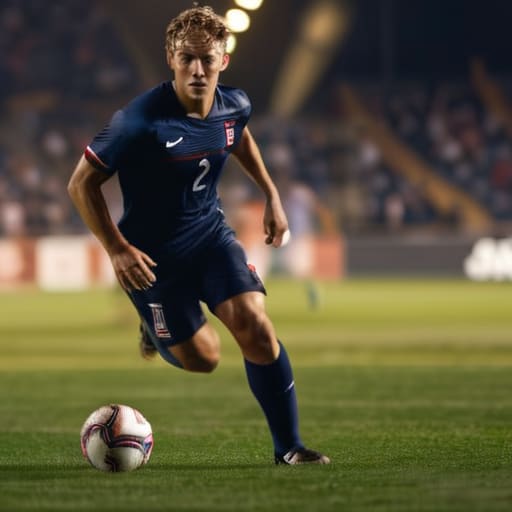
Now, here is where most young coaches trip up. They see a bit of energy in the warm-up and think, “Right, we’re going full throttle from the first whistle.” That is a one-way ticket to a disaster in the final twenty minutes. If you spend the whole match playing at one single, frantic speed, you aren’t controlling the game; you’re just letting the game control you. You need to teach your players the art of managing intensity levels so they don’t arrive at the seventy-fifth minute looking like they’ve been through a car wash.
I’ve seen it a thousand times: a team starts with high pressing, sprinting at every loose ball, only to fall apart because they haven’t mastered strategic speed manipulation. You have to teach them when to hunt the ball and when to drop back, catch a breath, and reset the shape. It’s about finding those subtle tactical tempo shifts—slowing the ball down in the middle third to let the lungs recover, then suddenly turning the screw when the opposition looks heavy-legged. If you don’t teach them how to dial it up and down, you’re just setting them up to fail.
Controlling Game Rhythm When the Opposition Wants a Race

Every now and then, you’ll run into a team that plays like they’ve got a death wish and a caffeine addiction. They don’t want to play football; they want to play a track meet. They’ll press high, sprint at every loose ball, and try to turn the game into a chaotic mess of end-to-end transitions. If you try to match that energy, you’re playing right into their hands. You’ll be chasing shadows for twenty minutes, and by the time the sun starts to dip, your midfield will be running on fumes.
The trick isn’t to stop moving; it’s about controlling game rhythm through deliberate, almost frustrating, patience. When they’re sprinting, you need to find the player who can hold the ball, take a touch, and actually look up. I tell my players that if the opposition is red-lining, we need to go blue. We use short, lateral passes to draw them out of their shape. It’s about strategic speed manipulation—making them run towards the ball until they realize they’re actually running into a brick wall. You aren’t just passing; you’re stealing their breath.
Five Ways to Stop the Chaos and Start Controlling the Clock
- Stop treating every ball like it’s a fire drill. If your players think every single pass needs to be a forty-yard laser aimed at a moving target, they’ll be gasping for air by the thirty-minute mark. Teach them that a sideways pass or a simple five-yard ball to a teammate’s feet is a tactical tool to catch their breath and reset the shape.
- Use the ball as a shield, not just a weapon. When the opposition is pressing you high and making everything feel frantic, the quickest way to kill their momentum isn’t to kick it long and hope for the best—it’s to keep the ball. If you have the ball, they can’t run at you. It’s basic physics, and it’s the best way to slow a game down when it’s getting too hot.
- Watch your players’ body language, not just their feet. If I see a lad’s shoulders dropping and his head hanging after a turnover, I don’t care how much “fitness” he has; he’s lost his mental tempo. You have to teach them that controlling the rhythm means keeping the brain switched on even when the legs are heavy.
- Learn to identify the ‘Trigger Moments.’ There are times to go from zero to sixty, and there are times to sit back and absorb. If you’re constantly sprinting at the opposition without a plan, you aren’t controlling the tempo—you’re just being predictable. You want to bait them into coming forward, then strike when they’ve overextended.
- Simplify the instructions when the game gets messy. In the heat of a match, nobody is going to remember a complex tactical lecture. I tell my players: “Find the space, find the teammate, and keep the ball moving.” If you can’t execute a simple pass under pressure, you have no business worrying about high-level tempo management.
The Bottom Line
Tempo isn’t about how fast you run; it’s about how much you dictate. If you’re constantly reacting to the opposition’s pace, you aren’t controlling the game—they are using you as a treadmill.
Stop treating every minute like a cup final. If you ask for 100% intensity from the first whistle, your players will be walking by the seventy-minute mark, and that’s when you lose games you should have won.
A drill that works in a controlled environment is useless if it doesn’t teach players when to slow down. You need to train them to find the “pause” in the game just as much as the “burst.”
The Reality of the Final Whistle
At the end of the day, tempo control isn’t some high-concept tactical theory you read about in a glossy magazine; it is the difference between a team that dictates the game and a team that is simply reacting to chaos. We’ve talked about managing intensity so your players don’t hit the wall at the seventy-minute mark, and how to refuse the invitation to a mindless sprint when the opposition tries to turn the match into a track meet. If you can master the art of knowing when to press and, more importantly, when to just breathe and keep the ball, you aren’t just coaching a formation—you are managing energy. You are teaching your players how to be the ones in charge of the clock, rather than its victims.
Don’t go away from your next session trying to implement twenty different complex patterns. Just focus on one thing: teaching your players that the ball moves faster than any man can run. If they learn to value possession as a way to rest, they will find themselves with the legs to win those crucial, gritty battles in the final ten minutes. It won’t be pretty, and it certainly won’t be easy, but true control is found in the pauses, not just the sprints. Now, get out there, get your boots on, and go teach them something that actually matters.
Frequently Asked Questions
My players are naturally high-energy and want to sprint at everything; how do I teach them to actually slow down without them thinking I'm asking for a lack of effort?
You have to change their definition of “effort.” Right now, they think effort is measured in lung capacity and sprint distance. It isn’t. I tell my lot that a well-timed, five-yard side-step to keep possession is harder work than a mindless forty-yard dash into a dead end. Stop praising the sprint and start praising the pause. If they can control the ball, they control the game. If they just chase it, they’re just spectators with better cardio.
When we're up by two goals and the opposition starts throwing everything at us, how do we stop the panic that leads to us just hoofing the ball aimlessly?
The panic happens because your players stop looking for space and start looking for an exit. When they see the opposition throwing everything forward, their instinct is to clear the danger, which usually means a massive, aimless hoof into the clouds.
Is there a way to drill tempo control in a training session that isn't just a boring, static passing drill?
If you’re just standing in a circle passing the ball around like a group of choirboys, you aren’t coaching tempo; you’re just passing time. To drill this, you need constraints that force a decision. Try a 4v4 + 3 possession game where the team in possession only gets a point if they complete three quick, one-touch passes followed by a long, diagonal switch. It forces them to find that gear shift between the short buildup and the sudden burst.
