I’ve sat through enough coaching seminars in drafty community halls to know that most people treat a transition like it’s some sort of magic trick. They’ll show you fancy heat maps and talk about “verticality” and “spatial exploitation,” but they never tell you what happens when your winger is actually gasping for air and your center-back is looking at the mud instead of the ball. The truth is, most people have no idea how counter attacking is organised in a way that actually works when the pressure is on. They think it’s just about running fast once you win the ball, but if you haven’t set the foundation before the turnover, you’re just watching eleven players engage in a disorganized jog toward their own goal.
I’m not here to sell you on some revolutionary tactical theory that only works in a video game. I’m going to tell you how we actually build those breaks on a Tuesday night when the pitch is heavy and the players are tired. We’ll look at the specific roles that make a break lethal and, more importantly, the disciplined positioning required to ensure you don’t get caught out yourself. No jargon, no fluff—just the mechanics of the break that survive contact with reality.
Mastering Defensive Transition Phases Under Pressure
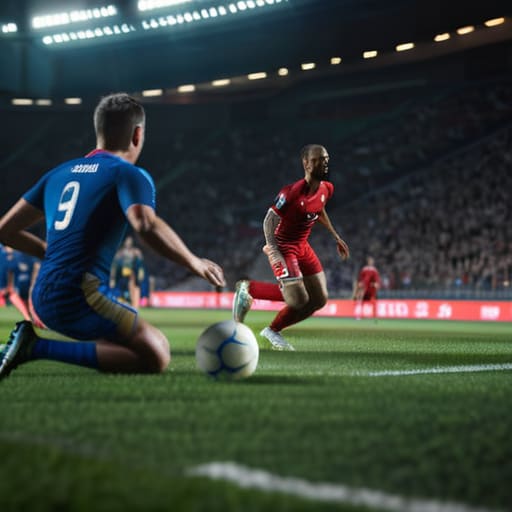
The moment your striker misses the target or your winger loses his footing, you aren’t “attacking” anymore; you are in a state of emergency. Most coaches obsess over the glory of the break, but they forget that a successful counter-attack is actually won during the defensive transition phases. If your players don’t immediately recognize the shift from possession to vulnerability, you aren’t setting up a counter; you’re just inviting the opposition to walk through your middle. I’ve seen countless sessions fall apart because the lads were so focused on the ball that they forgot to re-organize the shape the second it changed hands.
You cannot rely on pure speed to fix a structural mess. To master this, you need to drill the mental trigger that tells your midfielders to stop looking for a pass and start looking for their defensive positions. We aren’t talking about a slow retreat, either. I’m talking about immediate, purposeful movement to plug the gaps before the opposition can exploit them. If you don’t teach your players to react to the loss of possession with the same urgency they use to hunt a goal, your “tactics” are nothing more than wishful thinking.
The Mechanics of Attacking Transition and Intent

Once you’ve won the ball back, the clock starts ticking. Most coaches make the mistake of thinking a counter-attack begins when the midfielder looks up; in reality, the attacking transition mechanics start the millisecond the tackle is made. If your players wait to see where the ball is before they decide to run, you aren’t counter-attacking—you’re just playing slow, sideways football while the opposition resets their shape. I’ve seen too many lads win a heavy challenge in the middle third, only to turn around and pass it back to the keeper because they didn’t have a target to aim for.
To do this properly, you need to teach verticality in football tactics. This isn’t about hoofing it blindly into the clouds; it’s about the immediate, purposeful sprint toward the opponent’s goal. You want your wide players to stretch the pitch and your central runners to attack the gaps between the defenders. If you aren’t breaking defensive lines with direct, forward movements the moment possession changes, you are giving the other team far too much time to get organized. You have to strike while they are still caught in those messy defensive transition phases.
Five Hard Truths About Building a Counter That Actually Works
- Stop chasing the ball and start hunting the space. If your players spend the transition phase sprinting blindly toward the ball like a pack of hungry dogs, they’ll leave the middle of the pitch wide open for the other team to exploit. A proper counter starts with one player identifying the gap, not just the ball.
- The first pass out of the transition is the most important one of the match. I’ve seen too many lads win the ball, get a bit of an ego, and try to dribble through three players. If that first pass is sideways or backward, you haven’t started a counter-attack; you’ve just given them a chance to reset.
- You need a ‘trigger player’ who knows their job the second possession changes. Usually, that’s your most disciplined midfielder or your most explosive winger. If they aren’t already moving into an attacking lane while the ball is still being contested, you’re already too late.
- Stop calling it ‘speed’ and start calling it ‘direction.’ I don’t care if your striker can run a hundred metres in eleven seconds if he’s running in the wrong direction. A counter-attack is about verticality—getting the ball toward the opponent’s goal as quickly as possible, even if it’s a risky ball.
- You cannot organize a counter if your defenders are still caught in ‘no man’s land.’ If your backline is halfway up the pitch when you lose it, your counter-attack is dead before it begins because your players will be too terrified of getting caught out to actually commit forward.
The Reality Check: Three Things to Remember When the Whistle Blows
A counter-attack isn’t a magic trick; it’s a decision. If your players spend the first three seconds after winning the ball looking at their boots instead of the space, you aren’t counter-attacking, you’re just playing a slow game of keep-away while the opposition gets organized.
Transition is won or lost in the lungs and the brain. You can have the most beautiful tactical shape in the world, but if your midfielders haven’t been trained to sprint the moment possession changes, your “structure” will collapse into a disorganized jog before they’ve even turned around.
Stop coaching the ball and start coaching the space. A successful break relies on knowing exactly where the outlet is before the ball even reaches your feet; if your players are waiting to see what happens before they move, you’ve already lost the advantage.
The Reality of the Transition
At the end of the day, a successful counter-attack isn’t some magic trick or a bit of individual brilliance from a winger who’s had too much sugar. It is a disciplined, collective response to a specific moment of chaos. We have looked at how you must stabilize the ship the moment you lose possession and, more importantly, how you must have the mental clarity to turn that defensive stability into an immediate, vertical threat. If your players are still looking at the referee or complaining about a foul when they should be looking for the space behind the opposition’s full-backs, you aren’t counter-attacking; you’re just running around in circles while the other team scores.
Don’t get caught up in the fancy tactical diagrams you see on television that look like a geometry exam. Real football is played in the mud, in the rain, and in those frantic seconds when everyone is out of position. My advice is simple: stop overcomplicating the theory and start focusing on the intent. Every time your team wins the ball, the question shouldn’t be “where is the ball going?” but “where is the space?” If you can teach your players to see that gap before the opposition can close it, you won’t need a hundred fancy drills. You just need players who know exactly what comes next.
Frequently Asked Questions
How do I stop my players from all sprinting forward the moment we win the ball and leaving our backline completely exposed?
It’s the oldest mistake in the book: winning the ball and suddenly everyone thinks they’re playing in a Champions League final. You’ve got eleven players chasing a dream and zero players guarding the house.
What do I do when my team has the right idea for a counter-attack but lacks the actual fitness to execute it in the final twenty minutes?
Stop looking at their lungs and start looking at their habits. If they’re gassing out at the seventy-minute mark, it’s rarely just “fitness”—it’s poor decision-making. They’re chasing shadows instead of holding positions. I’ll ask you: what did they do in the last seventy-two hours? If they aren’t recovering, they’re dead. But if they’re sprinting aimlessly, you don’t need more running; you need to teach them when to conserve energy and when to explode.
Is it better to teach a specific formation for counter-attacking, or should I just focus on the players' individual decision-making when the ball changes hands?
Look, if you lean too hard on a formation, you’re just teaching them to be statues. A formation is a starting point, but a counter-attack lives or dies in the split second the ball changes hands. I’ve seen “perfect” 4-3-3 systems crumble because the players didn’t know when to sprint or when to hold. Teach them the shape, yes, but prioritize the decision-making. If they can’t read the game, the formation is just a pretty drawing on a clipboard.
