If you think getting your coaching badges means spending thousands on “elite performance seminars” and memorising tactical diagrams that look more like abstract art than a football pitch, you’ve been sold a load of rubbish. I spent years watching young lads dive headfirst into expensive courses, only to stand there looking lost when a twelve-year-old asks why they aren’t playing a high press in a muddy park on a Tuesday night. Learning how to get into coaching football isn’t about collecting expensive pieces of paper to hang on your wall; it’s about understanding the human element of the game and knowing how to command a group of distracted kids when the wind is whipping through your thin jacket.
I’m not here to give you a polished, corporate roadmap to a career in the Premier League. Instead, I’m going to tell you what actually matters: how to build a session that works, how to manage parents who think they’re tactical geniuses, and how to find your voice on the touchline. I will give you the unvarnished truth about starting from the bottom, because if you can’t manage a group of under-nines in a freezing car park, all the UEFA licenses in the world won’t save you.
Forget the Paperwork Navigating Your Grassroots Football Coaching Reality

You’ll spend a fair amount of time staring at spreadsheets and compliance forms, and don’t get me wrong, you need them. But don’t let the mountain of paperwork convince you that coaching is an administrative role. When you’re standing on a muddy touchline at 9:00 AM on a Sunday, no one is going to ask you about your filing system; they’re going to ask why the winger is standing still. While you’re navigating the formal FA coaching qualifications, remember that the certificate gets you through the door, but it doesn’t teach you how to manage a thirteen-year-old who’s having a meltdown because he missed a sitter.
The real grit of grassroots football coaching happens in the gaps between the official curriculum. You can study every manual in the country, but the most vital part of your development won’t be found in a PDF. It’ll be found in the unspoken lessons you pick up by watching a veteran coach manage a chaotic training session or how you adapt a drill when the pitch is more puddle than grass. Seek out a football coaching mentorship from someone who has actually seen the game played in the rain, not just on a screen. That’s where the real learning begins.
Why Fa Coaching Qualifications Are Only Half the Battle
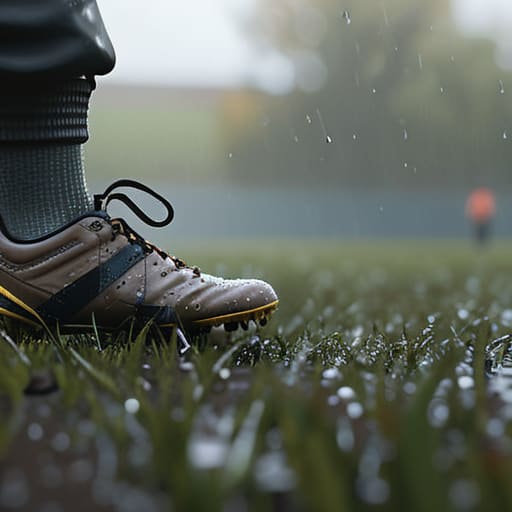
Don’t get me wrong; you’ll need those FA coaching qualifications to get your foot in the door. They are the gatekeepers, the paperwork that proves you won’t accidentally set a training cone on fire. But a certificate tells me you can pass a written exam; it doesn’t tell me if you can manage a group of twelve-year-olds who have collectively decided that a game of tag is more important than your tactical session. You can study the theory of coaching football skills development until your eyes bleed, but that is a far cry from standing on a muddy pitch in November trying to explain spatial awareness to a kid who is currently distracted by a passing magpie.
The truth is, the real learning happens when the plan falls apart. You’ll find that the most important part of your grassroots football coaching journey isn’t found in a manual, but in the unspoken lessons learned from a veteran coach who has seen every possible way a drill can fail. You need a mentor—someone who will tell you when your session is boring or when your instructions are too long-winded. A qualification gets you the whistle, but experience is what teaches you how to actually use it.
Five Truths About Getting Your Foot in the Door
- Find a local club that’s actually struggling, not one that’s already polished. Don’t walk into a top-tier academy looking for a job; walk into a club where the chairman is a tired parent and the kit bag is missing half its cones. That’s where you’ll actually learn how to manage people, not just players.
- Volunteer to be the ‘extra pair of hands’ before you ask to lead the session. Spend a few months just watching how the current coach handles a tantrum or a sudden downpour. If you can’t help move the goals or organize the bibs without being asked, you aren’t ready to hold the whistle.
- Get comfortable with being the least important person on the pitch. When you start, you aren’t the tactical genius; you’re the person making sure the water bottles are filled and the players aren’t wandering off to look at a passing bird. If you can’t master the logistics, the tactics won’t matter.
- Learn the names of the parents as well as the players. I’ve seen more coaching careers derailed by a disgruntled parent at the touchline than by a poor tactical setup. Being a coach in grassroots is 50% football and 50% managing the expectations of people who aren’t even on the pitch.
- Don’t wait for a certificate to start observing. You can learn more about player movement by watching a Sunday League U12s game from the sidelines than you will in any classroom. Watch how they lose their shape when they get tired. That’s your real curriculum.
The Realities of the Grassroots Path
A certificate gets you through the door, but it won’t stop a rainy Tuesday night from testing your patience; focus on building your ability to manage people and chaos, not just memorizing tactical diagrams.
Don’t get blinded by the shiny, high-level theory; the best way to learn is to get your boots muddy at a local club where you can see immediately if a drill actually works or if it’s just a waste of everyone’s time.
Coaching isn’t about being a tactical genius in a vacuum; it’s about understanding the specific demands you’re placing on your players and having the common sense to adapt when reality doesn’t match your plan.
The Long Road Ahead
Look, getting into coaching isn’t about collecting badges like they’re football stickers or memorising every tactical nuance in a textbook. It’s about understanding that your qualifications get you through the door, but your actual presence on the touchline is what keeps you there. You need to balance the formal structure of your FA courses with the grit of real-world application—learning how to manage a group of eleven different personalities while the wind is whipping across a muddy pitch. Don’t get lost in the theory; remember that a well-planned session is useless if it doesn’t account for the unpredictable reality of the players standing in front of you.
If you’re sitting there wondering if you’re ready, the honest answer is that you’ll never truly feel ready until you’ve actually stood in the rain and felt the weight of a losing streak. Coaching is a long game, a slow burn that requires more patience than a mid-week training session in November. But if you show up, if you listen to what the players are actually telling you through their movement, and if you refuse to stop learning, you’ll find it’s the most rewarding job you’ll ever have. Stop overthinking the perfect starting formation and just get out there and start coaching.
Frequently Asked Questions
I’ve got the badges, but how do I actually find a club that won't just use me as a glorified kit-carrier?
Don’t just walk into the nearest clubhouse and offer your services; you’ll end up hauling wet bibs and setting up cones for a chairman who doesn’t know a 4-3-3 from a laundry list. Instead, look for clubs with a structured youth setup—the ones where the coaches actually talk to each other. Ask them what their philosophy is. If they can’t answer, run. You want a club that wants a coach, not a volunteer to fetch the balls.
Do I really need to start with the six-year-olds, or can I jump straight into working with teenagers?
Look, if you think you can skip the under-sixes and jump straight into the deep end with teenagers, you’re in for a rude awakening. Working with kids is about managing chaos and basic motor skills; working with teenagers is about managing egos and tactical discipline. If you haven’t learned how to keep a group of six-year-olds focused while they’re chasing butterflies, you won’t stand a chance when a fourteen-year-old starts questioning your authority.
How much of my own money am I going to be expected to sink into equipment and travel before I see any real progress?
Look, I’ll give it to you straight: if you’re planning on buying a full kit of brand-new, pro-grade equipment out of your own pocket, stop right there. You’re a coach, not a benefactor. Most clubs have a budget for balls and bibs, and if they don’t, that’s a conversation for the committee, not your bank account. Spend your money on a decent whistle and a notebook. Everything else is just vanity.
