I’ve sat on too many freezing touchlines watching coaches gather their players in a tidy little circle to deliver a “motivational speech” about how penalty shootouts are prepared for. It’s a performance, pure and simple, and it’s almost always a waste of breath. You can talk about courage and composure until you’re blue in the face, but if you haven’t addressed the physiological reality of a kid standing twelve yards out with their lungs burning and their legs feeling like lead, you’re just whistling in the wind. I once saw a U-15 side lose a cup final because their coach thought a pep talk could replace the actual, gritty work of practicing technical execution under extreme fatigue.
I’m not here to give you a lecture on the psychology of pressure or some high-priced mental conditioning seminar. I’m going to tell you how we actually do it on the training pitch when the light is fading and the players are properly exhausted. We will look at the drills that actually hold up when the stakes are high, the mistakes that turn a talented striker into a nervous wreck, and why your preparation needs to be as unforgiving as the spot itself.
The Brutal Kicker Selection Process
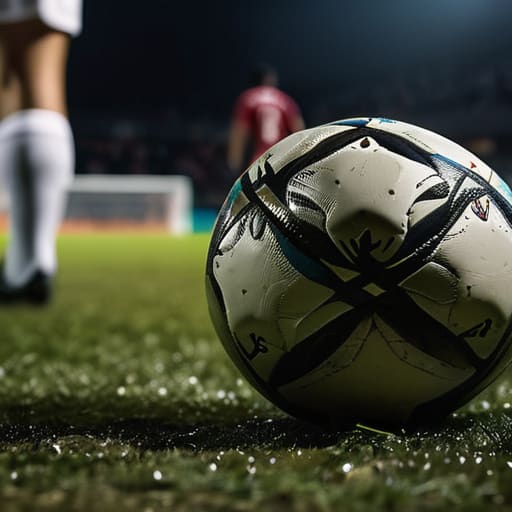
Now, let’s talk about the most common mistake I see on a Sunday morning: picking your kickers based on who scored the most goals in the league last month. That’s a fool’s errand. A striker who can smash a ball into the top corner when he’s got ten yards of space and a calm crowd is a different animal when he’s standing there with forty pairs of eyes on him and his legs feeling like lead. Your kicker selection process shouldn’t be about technical brilliance alone; it’s about temperament. I’ve seen “star” players crumble because they couldn’t handle the silence, while the quiet lad from the midfield—the one who rarely makes the headlines—walks up and strikes it with the clinical indifference of a man buying a loaf of bread.
You need to look at your spot kick order determination through the lens of momentum and pressure. You don’t put your most fragile talent fifth. You want your most reliable, mentally bulletproof character to take the first one to set the tone, and you need your “closer” at the end—the one who thrives when the weight of the result is resting squarely on his shoulders. If you’re just picking names out of a hat or going by who looks the least tired, you’ve already lost the battle before the referee even blows the whistle.
Training Drills for Penalty Practice That Actually Work

If you’re setting up cones in a sunny training session and having your players take five easy shots while they’re fresh, you aren’t training; you’re just playing a game of target practice. That’s not how a shootout happens. To truly master the psychology of penalty kicks, you have to introduce the fatigue and the mental noise that actually exists in a match. I’ve seen too many coaches let their best strikers walk up to a stationary ball with a clear head, only to watch them crumble when they’re gasping for air in the 119th minute.
The only training drills for penalty practice worth your time are those that force the player to find their composure under duress. I want to see my players running shuttle sprints until their lungs burn, and only then do they step up to the spot. You need to simulate the pressure of the crowd and the physical drain of the game. If they can’t find the corner when their legs are heavy and their heart is hammering against their ribs, they’ll never find it when the trophy is on the line.
Five Truths They Don't Teach You in the Coaching Manual
- Stop practicing penalties in a vacuum. If your players are standing in a neat line, fresh and smiling, while they take shots, you aren’t training them for a shootout; you’re training them for a circus act. You need to make them run a shuttle or a high-intensity drill first. A player’s ability to strike a ball changes the second their lungs are burning and their legs feel like lead.
- Stop obsessing over the “perfect” technique. I’ve seen lads with textbook form crumble because they’re overthinking the mechanics under pressure. At the shootout stage, it’s about a repeatable, simple motion. If they can’t execute it when they’re tired and the crowd is screaming, the prettiest technique in the world won’t save them.
- Address the goalkeeper’s mental state, not just their diving. Most coaches spend all their time telling the keeper to “stay big” or “guess left,” but they forget that a keeper’s biggest enemy is the silence before the whistle. Prepare them for the psychological lull—the moment where they have to sit on that line and wait for the kid to walk up.
- Stop ignoring the order of takers until the referee calls for them. You need to have your sequence decided, rehearsed, and mentally locked in long before the final whistle blows. If you’re standing there debating whether your best striker should go first or fifth while the players are staring at you, you’ve already lost the room.
- Realize that “unfit” is often a lie. Before you blame a player’s technique for a missed penalty, ask them what they did in the seventy-two hours leading up to the game. If they’ve been sitting on a sofa or eating nothing but junk, their concentration will vanish the moment the physical fatigue hits. A shootout is as much about metabolic recovery as it is about skill.
The Hard Truths to Take Back to the Training Pitch
Stop picking your best goalscorer to take the first penalty; pick the player with the coldest head and the most reliable technique, because nerves don’t care about your league position.
If you aren’t running your penalty drills at the end of a high-intensity session when the lungs are burning and the legs are heavy, you are merely practicing a skill that won’t exist in a real match.
Success in a shootout isn’t found in a tactical whiteboard session, but in the individual player’s ability to block out the noise and execute a repetitive, practiced motion under maximum physical and mental fatigue.
The Long Walk to the Spot
At the end of the day, preparing for a shootout isn’t about some magical tactical epiphany or a complex spreadsheet of conversion rates. It’s about the reality of what we’ve discussed: picking the right players—not just the ones with the cleanest strike, but the ones with the steadiest pulse—and ensuring they’ve actually practiced the craft when their legs are heavy and the wind is biting. You can’t solve a mental collapse in the final five minutes of a cup tie if you haven’t spent the preceding months building that resilience through repetition. If you haven’t made them kick while they’re exhausted, you’re merely playing a game of chance, and chance is a terrible thing to rely on when the trophy is on the line.
I’ve stood on enough touchlines to know that no amount of coaching can fully insulate a player from the sheer, lonely weight of that moment. When they walk toward that white dot, they are on their own. But your job isn’t to carry that weight for them; your job is to make sure they feel prepared enough to carry it themselves. Give them the tools, give them the truth, and for heaven’s sake, give them the practice. If you do that, you might not win every shootout, but you’ll at least ensure your players walk off that pitch knowing they didn’t crumble because of a lack of fundamental preparation.
Frequently Asked Questions
If I've got a player who's a clinical finisher in open play but starts shaking when the referee points to the spot, do I bench them or trust the talent?
You don’t bench them, but you stop lying to them. If they’re clinical in open play, the technique is there; it’s the nervous system that’s failing. If you bench a natural finisher, you’re leaving goals on the table. Instead, you stop the “perfect” drills. Make them take penalties at the end of a lung-bursting shuttle run when their heart rate is 170. You have to teach them to find their rhythm while their hands are shaking.
How much of the preparation should be about the technical strike versus the psychological battle of standing there while the crowd goes mental?
If you’re spending your whole session obsessing over the perfect strike, you’re wasting your time. Any kid can hit a ball when they’re fresh and the training cones are neatly laid out. The technical part is just the entry fee. The real work is the psychological siege. You need to simulate the chaos—the shouting, the fatigue, the pressure—because if they haven’t practiced hitting a target while their heart is hammering against their ribs, they’ll miss.
Is there any point in practicing the goalkeeper's side of things, or should I just focus entirely on making sure my takers don't bottle it?
Look, if you only focus on the takers, you’re only doing half the job. You can have the most clinical strikers in the county, but if your keeper is standing there like a statue, frozen by the occasion, you’re still going to lose. I’ve seen keepers make world-class saves only to be undone because they didn’t know how to command their area or manage their breathing. Train the keeper to be a nuisance, not just a shot-stopper.
