I’ve spent more hours than I care to admit standing on touchlines in the driving rain, watching “tactical gurus” on television scream about high-intensity triggers and complex geometric pressing lanes. They make it sound like you need a PhD and a supercomputer to understand how to press from the front, but most of that is just expensive noise. I once coached a U-14 side that tried to copy a Premier League heavy-metal press they saw on YouTube; by the twenty-minute mark, they weren’t a cohesive unit, they were just thirteen exhausted kids chasing shadows in a muddy field. If your players are sprinting aimlessly without a clear cue, you aren’t pressing—you’re just committing tactical suicide.
I’m not here to give you a collection of fancy diagrams that fall apart the moment a player gets a heavy touch. Instead, I’m going to show you the practical reality of the job. We are going to look at the actual cues that tell a striker when to move, how to coordinate that movement so your midfield doesn’t get left out to dry, and most importantly, how to do it without your team collapsing by minute 75.
Identifying Pressing Triggers Before Your Players Burn Out
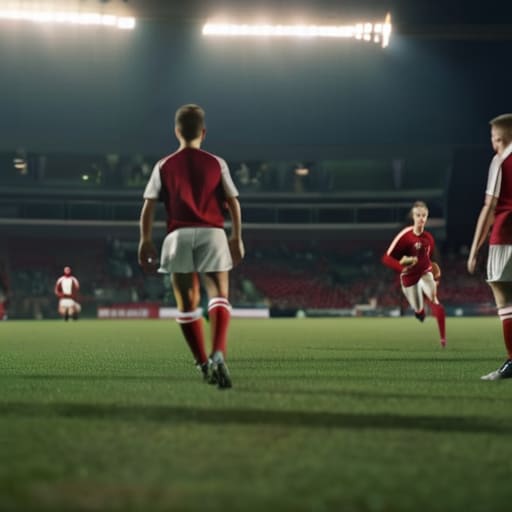
The biggest mistake I see is a coach telling his players to “go high” and then acting surprised when they’re gasping for air by the hour mark. You can’t just tell a kid to run at the opposition and hope for the best; that’s not a tactic, that’s a suicide mission. If you want to survive the full ninety, you have to teach them to wait for the right moment. You need to identify specific pressing triggers—those tiny tells that signal the opposition is about to make a mistake.
I’m talking about the moment a center-back takes a heavy touch, or when a midfielder receives the ball with their back to the play. That is your cue. Instead of constant, mindless sprinting, your players should be focusing on reducing passing lanes and waiting for that split second of vulnerability. When you see a player struggle to control a pass or look up and find no options, that’s when you strike. If you teach them to hunt the ball only when the opportunity is ripe, you’ll find they have plenty of energy left for the final ten minutes.
Body Orientation for Defenders to Dictate the Next Move

Now, I see it every Sunday: a defender lunges in like they’re trying to tackle a moving car, only to get bypassed by a simple five-yard lateral pass. The problem isn’t their heart; it’s their feet. If your players are facing the ball dead-on, they’re essentially standing still. You need to teach them that body orientation for defenders is the difference between controlling the game and being a spectator. I tell my lads to stay on the balls of their feet, hips angled so they can see both the ball and the runner behind them. If you’re square to the attacker, you’re a sitting duck.
When we talk about closing down the ball, it isn’t about a suicidal sprint. It’s about shaping the play. By angling your body, you aren’t just stopping a dribble; you are actively reducing passing lanes and forcing the opposition into the “dead zones”—the touchline or into your crowded midfield. You want to shepherd them into a corner, not invite them to dance around you. If they can’t see the exit, they’ll eventually make the mistake you’re waiting for.
Five Hard Truths for a Press That Actually Works
- Stop chasing the ball and start chasing the space. If your striker is sprinting blindly toward the ball carrier without looking at where the passing lanes are, they aren’t pressing; they’re just doing cardio. You want them to cut off the exit, not just run a marathon in a straight line.
- Watch the touch. The moment a defender takes a heavy touch or looks down at the ball to get their footing, that is your cue to go. If your players aren’t taught to recognize that specific moment of vulnerability, they’ll spend the whole game running at players who are perfectly composed.
- The first man dictates, but the second man finishes the job. A lone striker pressing is just a nuisance; a front two or three pressing in a coordinated line is a problem. If the first player forces the ball wide and the second player doesn’t step up to close the gap, you’ve just created a massive hole in the middle for the opposition to exploit.
- Communication isn’t just shouting; it’s direction. I don’t want to hear your players screaming “Press! Press!” at the top of their lungs while they’re all running toward the same player. They need to be telling each other which side to force the ball toward. If they aren’t talking about direction, they’re just making noise.
- Don’t press if you can’t recover. I see too many young coaches try to implement a high press with a back four that can’t move. If your front line goes hunting and your midfielders are too tired to track the runners, you’re essentially inviting the opposition to play a long ball over the top and end your afternoon. Know your players’ limits before you commit to the hunt.
The Reality Check: What You Actually Need to Take Away
Stop treating pressing like a marathon. If you tell your forwards to sprint at every single ball, they’ll be walking by the 60th minute and your shape will be a shambles. You press on triggers—a heavy touch, a sideways pass, or a player facing their own goal—not just because you feel like running.
It’s not about the sprint; it’s about the angle. If your front line is running straight at the man, you’re just making it easy for him to pass around you. You need to orient your bodies to cut the pitch in half, forcing the ball into the crowded areas where your midfielders are actually waiting to do the work.
A press is a collective decision, not a solo mission. If your striker goes hunting but your midfielders are standing around looking at the clouds, you haven’t “pressed”—you’ve just vacated your positions and left a hole big enough to drive a team bus through.
The Reality of the Press
At the end of the day, pressing isn’t about telling your players to run until their lungs burn; it’s about intelligence and timing. If you don’t teach them to recognize those specific triggers we discussed, or if you don’t ensure their body shape is actually forcing the opposition into the traps you’ve set, you aren’t coaching a press—you’re just coaching exhaustion. You’ll find yourself staring at a team that looks energetic for twenty minutes and then completely falls apart because they were sprinting at shadows instead of closing down passing lanes. A good press is a coordinated hunt, not a series of individual sprints.
Don’t get discouraged if your first few sessions look like a shambles. I’ve seen more “tactically superior” coaches lose games because they fell in love with a beautiful diagram on a whiteboard that never actually worked on a muddy pitch on a Sunday morning. The goal isn’t to play like a Premier League side by next week; the goal is to make your players think one step ahead of the man with the ball. Get back out there, stop overcomplicating the jargon, and focus on the small, repetitive details. That is how you build a team that stays organized when the legs get heavy and the rain starts coming down.
Frequently Asked Questions
My players are sprinting like madmen for the first twenty minutes but then they're walking by the hour mark—how do I know if they're actually pressing or just running aimlessly?
If they’re sprinting like madmen only to be walking by the hour mark, you haven’t coached a press; you’ve coached a track meet. Real pressing isn’t about maximum velocity; it’s about timing. If they aren’t sprinting toward a specific trigger—like a heavy touch or a sideways pass—they’re just wasting fuel. Stop measuring how fast they run and start measuring how much they actually force the opposition into a mistake. If the ball isn’t under pressure, the sprint was a waste.
If I'm working with a smaller squad or a team that lacks natural pace, is it even worth trying to press high, or am I just setting them up to get carved open?
Look, if you’ve got a squad of slow-footed players and you try to run a Premier League-style high press, you’re just asking for a disaster. You’ll get carved open every single time. But “pressing” doesn’t have to mean “sprinting like madmen.” If you lack pace, stop trying to win the race and start winning the space. Use a mid-block. Force them into wide areas where the touchline acts as an extra defender. It’s about positioning, not track stars.
How do I stop my strikers from getting caught out of position and leaving my midfield completely exposed when the opposition plays a long ball over the top?
You’ve got a gap problem, not a striker problem. If your front two are caught ball-watching while the opposition launches it, they aren’t “out of position”—they’re disconnected. You need to teach them to drop five yards earlier the moment the opposition’s midfielder’s head goes up. If they don’t see the long-ball intent, they can’t trigger the retreat. They need to act as the first line of the defensive screen, not just goal-threats.
