I’ve sat on enough touchlines to know that most of the “expert” advice on how to referee a youth match is written by people who think a whistle and a bright shirt are all you need to manage a game. They talk about “game management theory” and “conflict resolution frameworks” as if you’re negotiating a peace treaty in a boardroom rather than standing on a muddy slope in November. Let’s be honest: when you’ve got a ten-year-old screaming that he was tripped, a parent hovering two inches from your ear, and a striker who thinks he’s playing in the Champions League final, none of that textbook jargon matters.
I’m not here to give you a lecture on the laws of the game that you could find in a dusty manual. What I want to give you is the reality of what happens when the whistle blows and the chaos starts. I’m going to show you how to maintain your authority without losing your temper, how to spot the silent escalations before they turn into a sideline riot, and how to keep the game moving so the kids actually get to play. This isn’t about being a perfectionist; it’s about surviving the ninety minutes with your dignity and the match intact.
Officiating Fundamentals for Beginners Who Cant Handle Chaos

Before you even think about blowing a whistle, you need to understand that you aren’t just a rule-enforcer; you are a glorified shepherd. Most people starting out think they need to memorize every obscure clause in the handbook, but officiating fundamentals for beginners are actually much simpler: stay close enough to see the contact, but far enough away that you aren’t part of the scrum. If you’re standing ten yards away from the action, you’re guessing. And if you’re guessing, you’re losing control.
The real job isn’t about the ball; it’s about managing player behavior before it boils over. I’ve seen matches ruined not by a bad tackle, but by a referee who was too timid to step in when a ten-year-old started a shouting match. You have to establish your presence early. This doesn’t mean being a tyrant; it means being the most composed person on the pitch. If you look like you’re panicking, the kids will sense it, and that is precisely when the chaos turns into a complete meltdown.
Mastering Referee Positioning and Movement Amidst the Madness
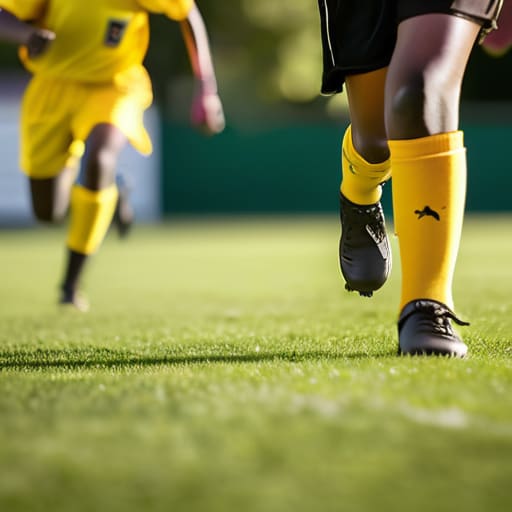
If you stand still, you’re useless. I’ve seen too many beginners hover near the corner flag like they’re waiting for a bus, only to miss a blatant trip happening twenty yards away. Proper referee positioning and movement isn’t about running marathons; it’s about being in the right pocket of space to see the contact. You want to stay diagonal to the play, keeping a clear view of both the ball and the players’ feet. If you’re too close, you’ll lose the big picture; too far, and you’re just guessing.
Don’t get caught in the “honey pot” effect—that’s when you follow the ball like a moth to a flame. When everyone is bunched up in the middle, you need to find a vantage point that lets you see the hidden fouls happening on the periphery. This is where most people fail. They focus so hard on the ball that they ignore the kid being shoved in the back three yards away. If you can’t see it, you can’t call it, and once you lose that authority, you’ll spend the rest of the half playing damage control instead of actually officiating.
Five Rules to Keep the Game Moving Without Losing Your Mind
- Manage the sideline, not just the pitch. Half of your battle isn’t with the kids; it’s with the parents breathing down your neck. If you see a sideline turning into a lecture hall, step in early. A quick, calm word to a parent before they boil over saves you thirty minutes of chaos later.
- Don’t be afraid to use your whistle to reset the rhythm. If the game has devolved into a series of accidental collisions and shouting matches, blow it dead. Stop the play, gather the players, and remind them why they’re there. You aren’t just a judge; you’re the one setting the temperature of the match.
- Prioritise the ‘why’ over the ‘what’ when explaining decisions. If you blow for a foul and a dozen kids start screaming, don’t just point at the spot and walk away. A quick, two-second explanation—”High foot, dangerous”—stops the argument before it becomes a debate.
- Watch the ball, but keep an eye on the players’ body language. Most fouls in youth football aren’t technical; they’re emotional. If you see a player getting frustrated or a tackle getting unnecessarily heavy, address the attitude before it turns into a red-card situation.
- Accept that you will get it wrong. Even with thirty years of experience, you’ll miss a touch or misjudge a distance. If you make a mistake, make the call and move on. Don’t get caught in a loop of second-guessing yourself; the moment you lose confidence, the players will smell it and the game will fall apart.
The Essentials for Surviving the Weekend
Forget the rulebook for a second; your primary job isn’t being a walking encyclopedia, it’s managing the temperature of the game before the shouting starts.
Positioning isn’t about being close to the ball; it’s about being in a spot where you can actually see the contact and, more importantly, where you don’t look like a lost tourist.
If you lose your composure, you’ve lost the match—stay calm, keep your decisions decisive, and remember that most of these kids are just playing a game in the mud.
The Final Whistle
At the end of the day, refereeing youth football isn’t about being a walking rulebook or a drill sergeant; it’s about managing the environment so the game can actually happen. You’ve learned that your positioning dictates your perspective, and that if you don’t stay ahead of the play, you’ll spend the whole match chasing shadows and missing the calls that actually matter. Don’t get bogged down in the minutiae of every minor infraction. Focus on the big picture: keeping the game flowing, maintaining your authority through calm presence rather than shouting, and ensuring that the chaos stays controlled enough for the kids to keep learning. If you’ve mastered your movement and kept a level head when the sidelines got loud, you’ve done the heavy lifting.
Look, you’re going to make mistakes. You’ll miss a blatant handball or blow a whistle when you should have let play continue, and the parents might still find something to grumble about in the car park. That’s just the nature of the beast. But remember why you’re standing out there in the wind: you are providing the structure that allows football to exist. If the kids finish the match feeling like they actually played a game—rather than a series of arguments—then you’ve succeeded. Do your job with dignity, keep your chin up, and show up next Sunday. That’s how you build character, both in them and in yourself.
Frequently Asked Questions
What do I actually do when a parent starts shouting from the sidelines about a decision I've just made?
Listen, the moment a parent starts barking, your heart rate spikes. I get it. But here’s the truth: if you turn around to argue, you’ve already lost the match. You aren’t there to win a debate with a man in a puffer jacket; you’re there to manage the game. Make your call, blow the whistle, and keep your eyes on the ball. If you engage, the chaos spreads. Ignore the noise, maintain your authority, and focus on the players.
How do I handle a player who's clearly lost their head and is getting physical, without the whole match turning into a scrap?
Stop waiting for the punch to land; by then, you’ve already lost the game. The second you see that glazed look or a player starting to shoulder-charge like they’re in a rugby scrum, blow the whistle. Don’t let it simmer. Pull the offender aside immediately—get them away from the crowd. It’s not about being a tyrant; it’s about breaking the momentum before the sidelines start screaming and the pitch turns into a car park brawl.
If I'm the only official there, how am I supposed to keep track of offsides and fouls when the ball is moving that fast?
Look, stop trying to see everything at once. You’ll fail, and you’ll look like a fool doing it. If you’re alone, you have to prioritize. Forget the offside for a second; if you’re focused on a line ten yards away, you’ll miss the heavy tackle happening right under your nose. Get close to the play, stay on the “goal-side” of the action, and trust your eyes. If you can’t see it clearly, don’t guess. Just blow the whistle and reset.
