I’ve spent more Sunday mornings than I care to count standing on touchlines where the wind cuts through your jacket like a knife, watching coaches obsess over complex positional maps and expensive tactical software. They’ll spend an hour lecturing about “passing lanes” and “zone transitions,” but they completely ignore the elephant in the box. You can have the most sophisticated tactical shape in the world, but if your keeper is a pure shot-stopper who panics the moment a striker breathes on them, your entire system is a house of cards. Most people talk about how goalkeepers affect build up as if it’s some high-level theoretical concept, but in reality, it’s much simpler: if your keeper can’t handle the ball under pressure, your team is essentially playing with ten men.
I’m not here to sell you on some revolutionary new way of playing that requires a PhD to understand. I’m going to tell you what I’ve learned from thirty-five years of watching players actually try to execute these ideas when the mud is up to their ankles. We are going to look at the practical realities of the position—the mistakes that break a formation and the specific traits that actually make a transition work. This isn’t about tactical perfection; it’s about surviving the reality of a match when the pressure is on.
Modern Goalkeeper Tactical Role More Than Just Hands
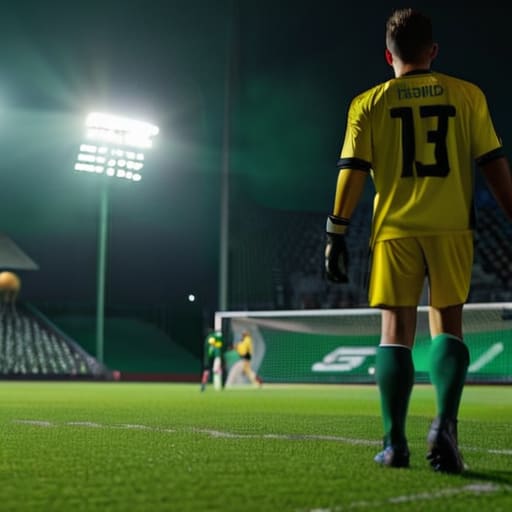
Back in my day, a goalkeeper’s job was simple: if the ball comes near the net, stop it. If it doesn’t, stay on your line and keep your hands warm. But the game has changed, and if you’re still treating your keeper like a glorified shot-stopper, you’re playing with one arm tied behind your back. The modern goalkeeper tactical role has shifted from being a specialist in reflexes to becoming the eleventh outfield player. They are now the foundation of the entire structure.
When we talk about playing out from the back, we aren’t just talking about fancy passing; we’re talking about creating a numerical advantage. If your keeper is comfortable with the ball at their feet, they force the opposition’s strikers to make a choice: do they stay narrow to block the center-backs, or do they step up to press the keeper? That split second of hesitation is where games are won. If they can’t make that decision, you’re essentially playing ten-on-eleven every time you try to build from the bottom up.
Playing Out From the Back Without Losing Your Head
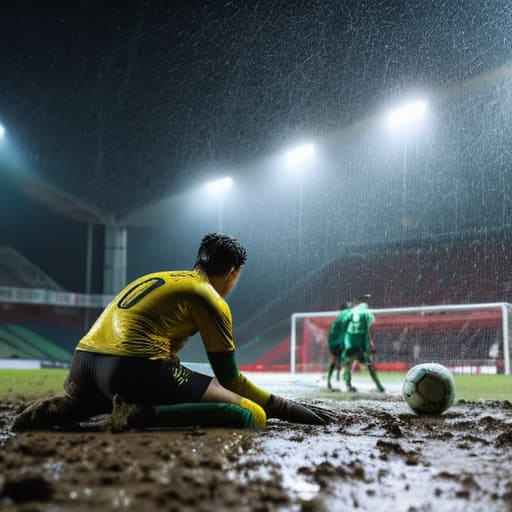
The problem with most coaches teaching playing out from the back is that they treat it like a choreographed dance routine. They show you a perfect diagram where the keeper rolls it to a center-back, who finds a midfielder, and everyone looks like they’re playing in a Champions League final. But in a real match—especially on a Tuesday night on a pitch that’s more mud than grass—the opposition isn’t going to stand there and let you pick your passes. They are going to hunt you.
This is where goalkeeper decision making under pressure actually separates the good players from the ones who just look good in training. If your keeper panics the moment a striker closes the gap, they’ll hoof it aimlessly into the stands, and you’ve just handed the momentum right back to the other side. You have to teach them that knowing when to bypass the short pass is just as important as knowing how to play it. It isn’t about being a perfectionist; it’s about having the composure to pick the right outlet when the high press is breathing down your neck.
Five Real-World Rules for Using Your Keeper in the Build-Up
- Stop treating your goalkeeper like a spectator with gloves. If you’re playing a high line or a possession-based game, your keeper needs to be the eleventh outfield player, not just a safety net. If they aren’t comfortable receiving the ball at their feet while a striker is breathing down their neck, you aren’t “playing out from the back”—you’re just playing Russian Roulette with your center-backs.
- Understand the “Safety Valve” principle. Your keeper is the only player on the pitch who can reset the play when the pressure gets too high. If your midfielders are being swamped and the passing lanes are choked, the instruction shouldn’t be to force a risky ball through the middle; it should be to go back to the keeper, let them settle, and find a new angle.
- Don’t demand technical brilliance if you haven’t coached it. I see too many young coaches demanding “sweeper-keeper” distribution from a lad who struggles to hit a ten-yard pass in a training drill. If your keeper’s feet are rubbish, don’t try to play like Manchester City. Use them for what they can actually do—keep the shape, provide an outlet, and stop the long ball from turning into a turnover.
- Watch the positioning of your center-backs relative to the keeper. A common mistake I see is the defenders standing too close to their goalkeeper during build-up, which actually makes the keeper easier to press. You need to create “passing diamonds.” If the keeper is the point of the triangle, your defenders need to be wide and deep enough to actually give the keeper a target that isn’t immediately blocked.
- The “Seventy-Two Hour” Rule for decision making. This isn’t about fitness, it’s about mental fatigue. If your keeper is making silly distribution errors in the 80th minute, don’t just yell at them for being “unfocused.” Ask what the intensity of the session was like leading up to the match. A keeper who has been mentally drained by high-pressure tactical drills all week will lose the ability to pick the right passing lane when the legs go heavy.
The Bottom Line for Your Sunday Morning Session
Stop treating your goalkeeper like a spectator with gloves; if they aren’t involved in the shape of your team, you’re playing with ten men and a very expensive shot-stopper.
Build-up play isn’t about fancy short passing for the sake of it; it’s about using the keeper to create a numerical advantage so your defenders aren’t constantly suffocated by the opposition’s press.
If your keeper panics under the slightest bit of pressure, don’t bother teaching your back four how to play out—you’re just teaching them how to lose the ball in dangerous areas.
The Bottom Line
At the end of the day, stop looking at your goalkeeper as just a specialist in shot-stopping and start seeing them as the eleventh outfield player who happens to wear different colours. If you want to build a team that doesn’t panic the moment the opposition puts a striker on your centre-half, you have to train that keeper to be a calm, composed distributor. It isn’t about them playing like a midfielder in a video game; it’s about them providing that crucial extra passing lane that keeps your shape from collapsing under pressure. If your keeper is a liability with their feet, you aren’t just playing with ten men—you’re playing with a structural weakness that any decent side will exploit before the first whistle even blows.
I’ve seen enough Sunday league-style collapses to know that a good build-up isn’t built on fancy tiki-taka, but on confidence and clarity. You don’t need a keeper who can hit a sixty-yard diagonal pass every time, but you do need one who knows where to stand and when to demand the ball. Get back to the basics of positioning and decision-making. If you get the foundation right in training—on those cold, wet Tuesday nights when nobody’s watching—the results will show up on Saturday. Build the foundation first, and the rest of the game will follow.
Frequently Asked Questions
What do I do when my keeper is technically decent but panics the moment a striker actually puts the pressure on?
You don’t fix a panic response with a tactical lecture; you fix it with repetition under duress. If they’re freezing up, it’s because their internal clock is spinning out of control. Stop running “clean” drills in the middle of the pitch where they have all the time in the world. Start bringing the pressure to them. Put a striker on them, give them a limited window to find a center-back, and let them fail in training so they don’t fail on Saturday.
If I want to implement a build-up system, how much of my training time should actually be dedicated to the goalkeeper versus the outfield players?
If you’re splitting your session 50/50 between the keeper and the lads, you’ve already lost the plot. A goalkeeper doesn’t exist in a vacuum. If you train your keeper in isolation, they’ll be a master of shot-stopping but a ghost during the build-up. You should be training them with your defenders. Spend 80% of your tactical time on integrated drills where the keeper is the starting point of the chain. If they aren’t part of the unit, they aren’t part of the system.
At what point does "playing out from the back" become a liability that's actually costing us more goals than it's creating chances?
It becomes a liability the moment you prioritize the “aesthetic” of a clean build-up over the reality of your players’ technical floor. If your keeper is under pressure and your center-backs are panicking, you aren’t “building play”—you’re just handing the opposition a free gift. If you’re losing more goals from unforced errors in your own third than you’re creating through numerical advantages, stop playing pretty and start playing safe. Principles matter; ego doesn’t.
