I’ve spent more Sunday mornings than I care to count standing on touchlines where the wind cuts right through your marrow, watching coaches try to apply high-level academy theory to a kid who’s more worried about his frozen toes than his positioning. Most of the modern literature on how goalkeepers are coached reads like it was written for a laboratory, filled with expensive jargon about “reactionary windows” and “biomechanical efficiency.” It’s absolute rubbish. If you’re standing in a muddy car park with a single bag of deflated balls, you don’t need a PhD in sports science; you need to know why your keeper is shaking in his boots when a striker bears down on him in the dying minute.
I’m not here to sell you on some flashy, overpriced coaching manual or a new way to hold a glove. I’m going to tell you what actually sticks when the pressure is on and the rain is lashing down. We’re going to strip away the nonsense and look at the real mechanics of the position—from the mental grit required to command a box to the simple, repetitive drills that actually build muscle memory. This is about building keepers who can survive the chaos, not just the classroom.
Forget Pretty Drills Shot Stopping Techniques That Survive a Muddy Pitch
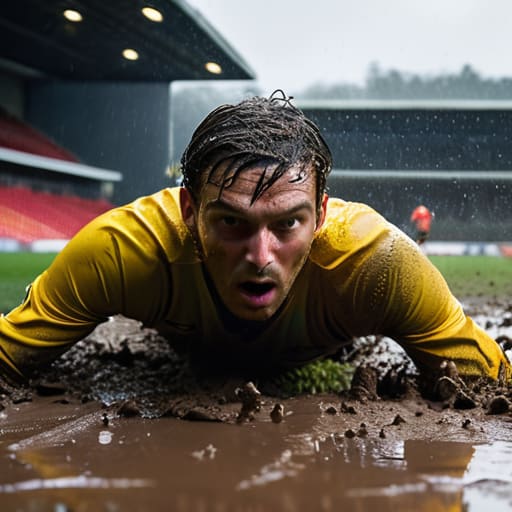
I’ve spent more Sunday mornings than I care to admit watching keepers dive into puddles that look more like swamps than football pitches. You can run all the high-tech goalkeeper training drills you want in a temperature-controlled indoor facility, but they mean nothing when the ball is skidding off a patch of wet grass at ten yards. In those moments, your fancy textbook footwork doesn’t matter. What matters is the ability to get your body behind the ball without thinking. I tell my keepers: don’t worry about looking like a professional in a highlight reel; worry about staying low and staying heavy on your feet so you don’t slide right past the danger.
Real shot stopping techniques aren’t about aesthetic dives; they are about efficiency and recovery. If you’re teaching a kid to leap like a gymnast, they’ll be useless when the pitch is heavy and their legs feel like lead. I prefer focusing on short, explosive movements that allow them to adjust to a deflection. If the ball hits a defender and changes direction, a keeper who has spent too much time on “pretty” drills will be caught mid-air, looking like a spectator. You want them ready to react to the chaos, not the plan.
Why Modern Goalkeeper Roles Demand More Than Just Catching Balls
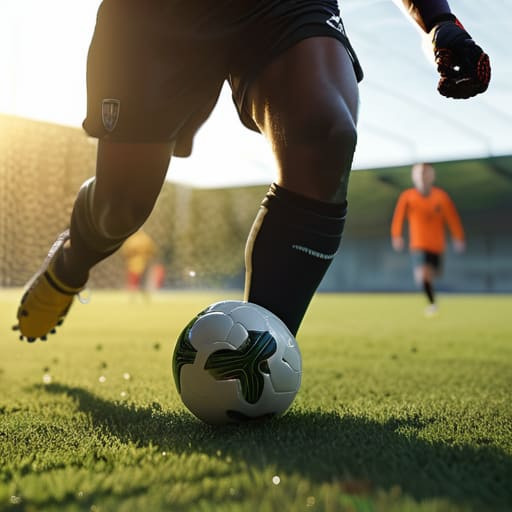
I’ve spent enough Sunday mornings on freezing touchlines to know that the era of the “specialist shot-stopper” who sits on his line and waits for something to happen is dead. It’s gone. If you’re still coaching your keeper to just be a human wall, you’re coaching them to be a liability. In the modern game, the keeper is the eleventh outfielder, and they need to act like it. This isn’t about fancy footwork for the sake of it; it’s about goalkeeper tactical awareness. They need to understand when to squeeze the space and when to drop, because if they don’t, they’ll leave their centre-halves stranded and exposed.
It’s a shift from purely reactive movements to proactive decision-making. You can spend hours on goalkeeper agility training to make them springy, but all that athleticism is wasted if they can’t read the shape of the opposition’s attack. I’ve seen plenty of lads with incredible reflexes who get caught ball-watching because they don’t understand the geometry of the pitch. You aren’t just training a hand-eye specialist anymore; you are training a field general who happens to wear different colours.
Five truths they don't teach you in the UEFA manuals
- Stop training them in isolation. A goalkeeper who can make a spectacular diving save in a pristine training circle is useless if they can’t communicate with a back four that’s losing its shape. You have to coach the keeper as part of the defensive unit, not as a specialist living on a different planet.
- Teach them to read the game, not just the ball. I’ve seen too many young keepers who have lightning reflexes but zero anticipation. If they’re reacting to the strike, they’re already too late. Coach them to watch the attacker’s hips and the weight of the pass so they’re moving before the foot even hits the ball.
- Master the “recovery” before the “save.” Everyone loves a highlight reel dive, but most goals are conceded because a keeper made one save and then sat on their backside watching the rebound roll in. I tell my keepers: if you aren’t back on your feet and ready for the second phase, you haven’t actually made the save.
- Distribution is about decision-making, not just kicking. I don’t care if they can ping a sixty-yard ball like a professional; I care if they know when to play it short to a defender under pressure and when to clear it into the stands. A keeper who blindly punts every time they catch the ball is just giving the opposition an easy way back into the game.
- Build the mental toughness for the inevitable mistake. You can have the best technique in the county, but if a keeper lets a soft goal in and spends the next twenty minutes sulking or playing tentatively, they’ve lost the match. You coach them to have a short memory—make the error, shake it off, and focus on the next command.
The Bottom Line for the Sunday Morning Coach
Stop obsessing over perfect hand positioning in a controlled environment; if your keeper can’t adjust their feet when the ball is bobbling on a patch of uneven grass, all the textbook form in the world won’t save you.
A goalkeeper’s value isn’t just in the spectacular saves, but in the decisions they make before the shot is even taken—positioning and communication are the silent workhorses that prevent the chaos in the first place.
Don’t build a training session that treats keepers like they’re in a laboratory; they need to be integrated into the team’s rhythm so they aren’t standing there like spectators until a crisis occurs.
The Reality of the Goalmouth
At the end of the day, coaching a goalkeeper isn’t about perfecting a textbook dive in a sterile environment or obsessing over high-tech metrics that don’t mean a thing when the wind is howling. It’s about bridging that gap between the drill and the actual chaos of a Saturday morning match. We’ve talked about why they need to be more than just shot-stoppers and why those fancy, clean drills often fall apart the moment the pitch turns into a swamp. If you aren’t training them to handle the noise, the pressure, and the unpredictable nature of a heavy ball, then you aren’t really coaching them; you’re just supervising a very expensive game of catch. Focus on the fundamentals that survive the mud.
If you’re a coach starting out, or even one of us who’s been on the touchline for thirty years, remember that a goalkeeper is the most isolated person on that pitch. They carry the weight of every mistake, and your job is to give them the mental and physical tools to carry it without breaking. Don’t aim to produce a player who looks good in a highlight reel; aim to build a player who is unshakeable when the game is on the line. It’s a hard job, and it’s often a thankless one, but when you get it right, you aren’t just teaching a position—you’re building the spine of the entire team.
Frequently Asked Questions
How do I coach a keeper to actually communicate with their defenders when they're clearly terrified of making a mistake?
Stop asking them to “be louder.” That’s useless advice when a kid is shaking in their boots. You have to give them a job that isn’t about bravery, but about information. Instead of shouting “Watch out!”, teach them to call out specific, simple things: “Man on,” “Left shoulder,” or “Step up.” If they have a technical task to perform, the noise becomes a tool rather than a performance. Build the habit of being a director, not a cheerleader.
When does a goalkeeper stop being just a shot-stopper and actually start being useful with their feet in a real match?
They stop being a shot-stopper the moment you stop treating them like a specialist and start treating them like an eleventh outfielder. In a real match, it’s not about them playing like prime Ederson; it’s about whether they can make a simple, five-yard pass under pressure without panicking. They become useful when they can provide an outlet to break a press, rather than just being a human obstacle that makes the defenders nervous.
How much of a session should be dedicated to technical handling versus the mental side of not losing your head after a bad error?
Look, if you spend sixty minutes on perfect hand positioning and zero minutes on how to react when a striker shanks a sitter into your hands, you’re coaching a statue, not a keeper. I’d say keep the technical work to about sixty percent—the fundamentals never go out of style. But the remaining forty percent? That’s where the real work happens. You have to train them to handle the chaos and the inevitable mistakes.
