I remember standing on a waterlogged touchline in mid-November, watching a teenager nearly take his own head off because he didn’t understand why a whistle had blown. The pundits on the telly love to spend forty minutes dissecting VAR lines and technicalities, but they’ve clearly never had to explain to a sobbing twelve-year-old why a foul was called when the ball was ten yards away. Most people think understanding how a football match is officiated is about memorising a thick book of laws written by men in suits; in reality, it’s about managing the unpredictable chaos that happens when eleven players decide to stop following instructions.
I’m not here to recite the rulebook to you—you can find that on a government website if you’ve got the patience. What I want to do is strip away the jargon and tell you how the game actually works when the pressure is on and the players are breathing heavy. I’ll show you the difference between a technical rule and the practical reality of what a referee actually looks for in the heat of a tackle. We’re going to look at the mechanics of the job so you can stop arguing with the man in the middle and start focusing on what actually wins games.
Laws of the Game Explained vs the Reality of Contact
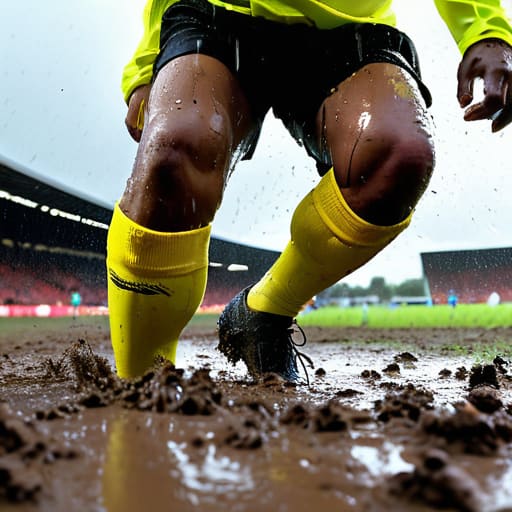
You can spend all afternoon reading about the laws of the game explained in a thick, leather-bound handbook, but those books don’t account for a muddy pitch and twenty-two players breathing down a man’s neck. On paper, the offside rule is a mathematical certainty; in practice, it’s a split-second judgment made while a striker is sprinting at you at full tilt. I’ve seen more matches decided by a referee’s instinctual reading of momentum than by a perfect application of the rulebook.
The reality is that the match official crew roles are about managing people, not just enforcing statutes. You’ll see the referee using various refereeing signals and hand gestures to communicate, but those aren’t just for the benefit of the players—they are a way of asserting authority before the chaos boils over. A whistle is a tool, but a well-timed look or a firm word is often what actually keeps a game from descending into a scrap. You can have all the technical precision in the world, but if you can’t manage the human element of the contact, the rules won’t save you.
The Match Official Crew Roles in a Storm

You can look at a rulebook all day, but when the wind is whipping across a muddy pitch and twenty-two players are breathing down your neck, the match official crew roles become about much more than just checking names on a sheet. You’ve got the referee in the middle, trying to maintain a sense of rhythm, and two assistants on the touchline who are essentially tasked with being the human extension of the offside rule officiating. If those linesmen aren’t perfectly synchronized with the referee’s vision, the whole tactical structure of the game falls apart because of a single misjudged flag.
Then there is the role of the fourth official, a position that people often mistake for a glorified clipboard holder. In reality, they are the buffer. They manage the substitutions, keep the technical areas from boiling over, and handle the administrative chaos so the referee can actually focus on the ball. It’s a delicate ecosystem; if one person loses their head or misses a cue, the authority of the entire crew evaporates. You don’t need a lecture on theory; you need a crew that understands how to manage the temperature of the game before it hits boiling point.
Five Things the Rulebook Won't Tell You About Managing the Chaos
- Stop coaching your players to argue with the official; it’s a tactical suicide mission. When a lad spends thirty seconds shouting at the ref about a foul that didn’t happen, he’s not being ‘passionate,’ he’s just stopped tracking the runner behind him. You teach them to accept the decision, reset, and fix the mistake on the next play.
- Understand that ‘advantage’ is a tool, not a magic wand. I’ve seen coaches scream for a whistle when a player has the advantage, but if your player is stumbling and can’t make a clean pass, the advantage is a lie. Teach your players to recognize when they’ve actually gained ground, and when they’re just being gifted a dead ball they can’t use.
- Respect the ‘invisible’ influence of the referee’s threshold. Every official has a different line for what constitutes a foul. If you spend the first ten minutes of a match complaining about soft calls, you’ve just told the referee exactly where your limit is, and he’ll likely push it even further for the rest of the ninety.
- Watch the linesman, not just the man in the middle. A lot of young coaches focus entirely on the referee’s decisions, but the assistant’s job is to manage the space you can’t see. If your offside trap is failing, it’s often because your players aren’t watching the flag, and they’re playing in a way that makes the official’s job impossible.
- Prepare for the ‘human element’ of officiating. Referees are people, and like anyone else, they can get caught up in the momentum of a game. If the game is turning into a scrap, it’s your job to calm your players down before the official decides the only way to regain control is to start reaching for pockets.
The Hard Truths for Coaches and Players
Stop complaining about the ‘letter of the law’ when you’re playing in the mud; a referee’s job isn’t to be a mathematician, it’s to keep the game from turning into a brawl, and if you’re making it impossible for them to see the contact, you’ve already lost the tactical battle.
If your players are constantly arguing with the linesman, they aren’t focused on the game, and a team that spends its energy fighting officials is a team that will inevitably collapse physically and mentally in the final fifteen minutes.
Respect the crew’s hierarchy not because they’re perfect, but because a broken communication chain between the ref and the linesman is exactly when the chaos starts, and chaos is where well-drilled tactical plans go to die.
The Final Whistle
At the end of the day, officiating isn’t about memorizing a handbook or being a walking encyclopedia of the Laws of the Game. It’s about managing the unpredictable chaos that happens when twenty-two people are fighting for the same patch of grass. We’ve looked at how the crew operates as a unit and how the written rules often collide with the physical reality of a heavy tackle on a muddy pitch. You can have the best tactical setup in the world, but if the official loses the room or fails to understand the rhythm of the contest, your coaching plans are essentially secondary to the referee’s decisions.
My advice to the coaches and players reading this is simple: stop looking at the referee as the enemy and start seeing them as the one person trying to keep the game from descending into a brawl. You cannot control the whistle, and you certainly cannot control a human being making a split-second call in a rainstorm. What you can control is how your players react when that call goes against them. Focus on discipline and composure, because the game is won in the margins, and those margins are often dictated by how well you handle the referee’s imperfections.
Frequently Asked Questions
When the referee makes a massive mistake in the heat of the moment, why can't we just use VAR to fix it instantly?
Look, I get the frustration. You see a clear handball, the ref misses it, and you want the technology to save the day. But VAR isn’t a magic wand; it’s a slow, clinical interruption. In the time it takes to check a frame-by-frame replay, the momentum of the game has died a quiet death. You trade a human mistake for a sterile, ten-minute pause that kills the very soul of the match.
How much of a referee's decision is actually based on the rulebook versus just trying to keep ten-year-olds from starting a riot?
Look, the rulebook is a lovely piece of literature, but it’s rarely the primary driver when you’ve got eleven kids breathing fire at each other. In the professional game, they manage the law; at grassroots, they manage the chaos. Most of a referee’s job isn’t interpreting the nuances of a technical foul—it’s social engineering. If they don’t nip a bit of shoving in the bud early, the rulebook won’t save you when the meltdown starts.
If a player is clearly being targeted by heavy tackles, why does it seem like the officials only notice once someone's actually gone down?
It’s the “event” bias, plain and simple. An official is watching a moving game, not a slow-motion replay. They see the heavy contact, but unless a player hits the turf, the referee’s brain registers it as “competitive play.” It’s only when the player goes down that the impact becomes an undeniable reality they can’t ignore. If you’re being targeted, you can’t just absorb it; you have to make the contact visible.
