I’ve spent thirty-five years standing on touchlines where the wind bites through your jacket and the grass is more mud than greenery, and if there is one thing that makes my blood boil, it’s watching a coach buy a fancy tactical tablet just to solve a problem that a bit of common sense could fix. I see it every Sunday: eleven players bunched up in the center circle like they’re all trying to share a single umbrella, making it impossible to move the ball. You don’t need a high-priced consultant to explain how to use the full width of the pitch; you just need to stop letting your players play “beehive football.” If they aren’t stretching the opposition toward the touchlines, they aren’t playing football—they’re just running into each other in a very expensive way.
I’m not here to give you some theoretical lecture about “spatial awareness” or “geometric expansion” that sounds lovely in a classroom but falls apart the moment a striker puts a heavy challenge in. I’m going to tell you how to actually force your players to own the sidelines through drills that actually work when the pressure is on. We’ll skip the jargon and focus on the practical reality of opening up the game so your midfielders can actually breathe.
Stretching the Opposition Defense Without Losing Your Shape
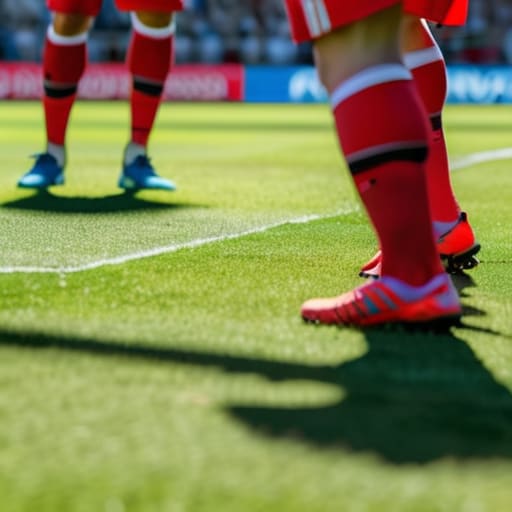
The biggest mistake I see on Sunday mornings is a team that thinks they’re playing wide just because their wingers are standing near the touchline. If your wide players are hugging the line but your midfielders are all sprinting into the same central pocket, you aren’t stretching the opposition defense; you’re just giving them a very easy job. Real width isn’t about where a player stands when they don’t have the ball; it’s about how their presence forces the other team to make a choice. If your winger stays high and wide, the opposing full-back has to decide: do I stay in my shape, or do I step out and leave a massive hole behind me?
You have to teach your players that positioning wingers for maximum width is a tool to create something else, usually space in the middle. When you pull that defensive block apart, you create those lovely gaps in the half-spaces. That’s where the game is won. If you don’t force the opposition to make a decision about how wide they sit, you’re just playing a very expensive version of bumper cars in the center circle.
Positioning Wingers for Maximum Width Under Pressure

Now, let’s talk about your wingers. I’ve seen more sessions ruined by “wingers” who actually play like central midfielders with a bit of extra grass to run on. If your wide players are drifting inward the moment they touch the ball, you aren’t providing any tactical width in football; you’re just feeding the opposition’s compact middle. You need them to hug that touchline like they’re afraid of getting a sunburn. Their job isn’t just to cross the ball; it’s to force the opposition fullback to make a choice: stay narrow and let the winger go free, or step out and leave a massive hole behind them.
When the pressure is on and your team is pinned back, positioning wingers for maximum width becomes a survival tactic. If they stay wide, they force the defensive block to stretch, which creates those vital gaps in the channels for your midfielders to exploit. If they tuck in too early, you’ve essentially invited the opposition to park the bus right in your face. You want your wide men to be the anchors of the pitch’s perimeter, stretching the game until the defense finally cracks.
Five Ways to Stop Playing Like You’re All Sharing One Small Umbrella
- Stop letting your wide players drift inward just because they’re afraid of the touchline. If your winger is standing five yards inside the flank, they aren’t a winger; they’re just another midfielder making the pitch feel smaller for everyone else. Tell them to stay on the chalk until the ball actually moves into the final third.
- Use your fullbacks to create ‘passing lanes,’ not just to run laps. If your central midfielders are being suffocated by a high press, they need an outlet on the periphery. If your fullbacks are tucked in too tight, you’re effectively handing the opposition a free pass through the middle every single time.
- Teach your players that width isn’t just about where they stand, but where they move when the ball moves. If the ball is on the left, the player on the right shouldn’t be lurking in the center looking for a tap-in; they should be hugging the opposite sideline to force the opposition’s defensive line to stretch until it snaps.
- Fix the ‘Magnet Effect’ during transitions. I see it every Sunday: the moment the ball moves to one side, the entire team gravitates toward it like a school of fish. You need to drill the discipline of staying wide during the transition phase, otherwise, you’re just playing a 10-man game against an 11-man defense.
- Don’t mistake ‘width’ for ‘useless distance.’ If you tell a player to stay wide and they just stand there staring at the corner flag while the game passes them by, you haven’t solved anything. Width is a tool to create space in the middle; if they aren’t positioned to actually receive a pass and turn, they’re just wasting space.
The Three Things You’ll Actually See on a Sunday Morning
Stop treating the touchline like a suggestion; if your wide players are drifting inward to hunt the ball, they aren’t providing width, they’re just adding to the congestion in the middle.
Width isn’t just about where players stand when you have the ball, it’s about how they force the opposition to shift; if you don’t stretch them horizontally, you’re just running into a brick wall.
Don’t expect your players to stay wide just because you told them to in the changing room; they’ll only do it if they understand that being wide creates the passing lanes that make their lives easier.
Stop Playing in a Phone Box
Look, we’ve covered the lot: stretching that defensive line, making sure your wingers aren’t just hovering near the center circle, and keeping your shape when the pressure turns up. If you take nothing else away from this, remember that width isn’t just about where you tell your players to stand; it’s about creating the breathing room required to actually play football. If you keep your players bunched up in the middle like they’re waiting for a bus, you aren’t coaching a team, you’re coaching a crowd. You have to force the opposition to defend the sidelines, or you’ll spend ninety minutes just passing the ball sideways from one congested area to another until someone inevitably makes a mistake.
At the end of the day, tactical theory is useless if it doesn’t survive a muddy Tuesday night training session. You can draw all the arrows you want on a whiteboard, but if your players don’t understand that width is a tool for survival, they’ll collapse the moment they get tired. Don’t get distracted by the flashy stuff you see on television; focus on the simple, repetitive work of making the pitch big. Build the habit of using the space, and you’ll find that the game becomes a lot easier to manage. Now, get out there, get the bibs out, and actually make them run the length of it.
Frequently Asked Questions
What do I do when my players keep hugging the touchline even when there's no space to play in there?
Look, they aren’t hugging the touchline because they’ve suddenly discovered a love for the sidelines; they’re doing it because they’re scared of the traffic in the middle. They see a crowd of bodies and think the only safe place is out where nobody can touch them. Stop telling them to “get wide” and start showing them why the middle is actually the most dangerous place to be. If they can’t find a passing lane, they need to move into a pocket of space, not hide in the corner like they’re waiting for a bus.
How do I stop my central midfielders from drifting wide and leaving a massive hole in the middle of the park?
It’s usually because your midfielders are chasing the ball like it’s a lost puppy. If they’re drifting wide, they aren’t “finding space”; they’re abandoning their posts. You need to teach them that their job isn’t to join the party on the wing, but to guard the door. Stop telling them to “stay central” and start showing them the passing lanes they’re leaving open. If they leave that hole, the opposition will walk through it.
If we're playing a team that sits incredibly deep, is it actually worth trying to stretch them, or are we just wasting energy?
Look, if they’re parked in their own box, trying to stretch them horizontally is like trying to pull a heavy curtain apart with your bare hands—you’ll just exhaust yourself. If they won’t move wide, don’t waste energy trying to force it. Instead, use that width to pull their defensive line apart vertically. Make them step out of that comfortable shell by threatening the channels. If you don’t make them move, you’re just running for the sake of it.
