I’ve spent more Sunday mornings than I care to admit standing on frozen mud, watching “expert” coaches set up elaborate, high-tech obstacle courses for keepers that look more like gymnastics displays than football training. They’ll talk to you about “reactive agility metrics” and “biomechanical efficiency,” but if your keeper is too busy thinking about their hand positioning to actually see the ball coming through a sleet storm, you’ve already lost. Most of what passes for a complete guide to goalkeeper training these days is just expensive jargon designed to sell equipment you don’t need. Real training isn’t about looking pretty in a drill; it’s about whether that kid can hold their nerve when the striker is bearing down on them and the sidelines are screaming.
I’m not here to sell you on a fancy new methodology or some theoretical nonsense that only works in a climate-controlled academy. I’m going to give you the unvarnished truth about what actually builds a shot-stopper. We’re going to focus on the fundamentals that survive the chaos of a real match—positioning, courage, and the mental grit required to bounce back after a mistake. This is a no-nonsense blueprint built from thirty-five years on the touchline, designed to work whether you have a stadium of lights or just a couple of rusty posts in a damp park.
Shot Stopping Techniques That Survive a Muddy Pitch
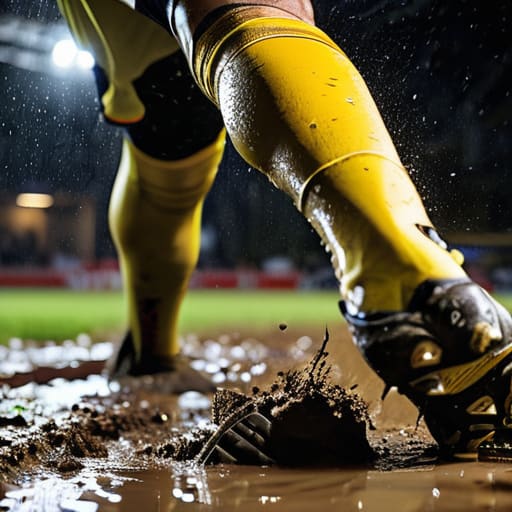
I’ve seen enough “perfect” keepers in training sessions to last a lifetime, only to watch them crumble the moment the pitch turns into a swamp and the ball starts skidding unpredictably. You can have all the technical polish in the world, but if your footwork isn’t adjusted for a heavy, waterlogged surface, you’re going to be playing catch-up all afternoon. Real goalkeeper shot stopping techniques aren’t about looking pretty for a highlight reel; they are about short, sharp movements that allow you to recover when your footing is compromised. If you’re sliding or stumbling because you’re trying to take steps that are too long, you’ve already lost the angle.
When the grass is gone and it’s just mud and grit, you need to focus on your center of gravity. I tell my keepers to stay lower than they think they need to. It’s about being coiled like a spring. Instead of focusing on massive, lunging dives that leave you stranded in the muck, prioritize quick, lateral adjustments. This is where most coaches fail; they run flashy goalkeeper agility drills on pristine turf and wonder why the kids can’t replicate them on a Sunday morning in November. If the drill doesn’t work when the ground is uneven, it’s a waste of my time and yours.
Agility Drills for When the Game Turns Chaotic
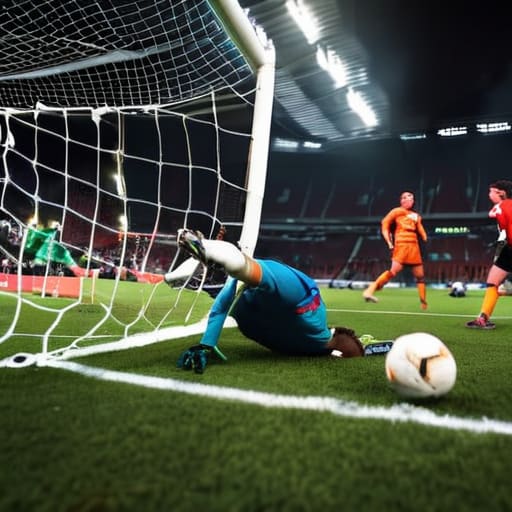
You’ll see plenty of coaches online running these high-speed, choreographed obstacle courses with neon cones and agility ladders. They look great in a slow-motion video, but they don’t mean a thing when a striker pokes a ball through a crowd of six players in the six-yard box. Real agility isn’t about how fast a kid can dance through a ladder; it’s about the ability to change direction when the ball takes a wicked deflection off a defender’s heel. If you want effective goalkeeper agility drills, you need to introduce unpredictability. Stop letting them practice the same movement twice. Throw a ball at them from an odd angle, or have them react to a whistle while they’re already mid-stride.
The goal isn’t to build a gymnast; it’s to build a keeper who can recover their feet after a mistake. I’ve seen too many young lads who are technically sound but move like they’re stuck in wet cement once the game gets frantic. You need to integrate goalkeeper reaction time exercises that force them to adjust their center of gravity under pressure. If they can’t find their balance while the wind is whipping and the attackers are charging, they’re just a spectator with a better view. Keep the drills short, sharp, and purposefully messy.
Five Things Your Goalkeeper Needs More Than a Fancy Pair of Gloves
- Stop obsessing over the diving technique and start working on the set position. If your keeper is caught flat-footed or leaning the wrong way before the shot is even taken, all the acrobatic flair in the world won’t save them. They need to be balanced, on the balls of their feet, and ready to move in any direction without having to think about it.
- Communication isn’t just shouting “Away!” when a ball comes into the box. I’ve seen too many keepers who stay silent because they’re afraid of being wrong. I’d rather a keeper scream the wrong instruction than say nothing at all. They need to be the conductor of the orchestra, telling the centre-backs exactly where the danger is before it arrives.
- Train for the second ball, not just the first. A lot of young keepers make a decent save, celebrate it in their heads, and then immediately get caught out because they didn’t control the rebound or get back up. In a real match, the ball rarely stays where you put it. If they aren’t prepared for the chaos that follows a save, they aren’t finished with the play.
- Build their confidence through decision-making, not just reflex drills. You can have a keeper who can catch a bullet, but if they freeze when a striker is bearing down on them in a 1v1, they’re useless. We need to put them in situations where they have to decide whether to come for the cross or stay on their line. A keeper who knows why they are making a choice is a keeper who won’t panic.
- Condition them for the final fifteen minutes. I’ve lost count of how many games have been won because a keeper’s legs went heavy in the dying embers of the match. If they haven’t done the proper footwork and core work during the week, they’ll be slow to react when the opposition is throwing everything they’ve got at you in injury time.
The Bottom Line for Your Keeper
Stop obsessing over the highlight-reel diving saves; if your keeper doesn’t have the footwork to get across the goal before the shot is even taken, they’ll spend the whole game chasing shadows.
Technical perfection is useless if they can’t handle the chaos; train for the moment the ball squirts through a crowd of legs on a heavy pitch, not just the clean strikes.
A goalkeeper’s most important attribute isn’t their hands, it’s their head—if they lose their composure after conceding a soft goal, your entire defensive shape will follow them down the drain.
The Long Game in the Goalmouth
Look, I’ve spent three decades watching keepers walk off the pitch with their heads down because they spent all week working on technical perfection but forgot how to actually react to the chaos. We’ve covered the shot-stopping mechanics that work when the pitch is a swamp and the agility drills that keep them moving when the game turns into a frantic scramble. But remember, none of these drills mean a thing if you aren’t building the foundation of mental resilience and spatial awareness. You can have the most expensive gloves and the cleanest diving technique in the county, but if you haven’t trained the ability to command your area when the wind is howling and the striker is bearing down on you, you’re just a spectator with a better view.
At the end of the day, being a goalkeeper is the loneliest job on the pitch, and that is exactly why it is the most important. It isn’t about the highlight reels or the flashy saves you see on social media; it is about being the one person who stays composed when everyone else is panicking. If you commit to the boring, repetitive work—the kind that happens in the freezing rain on a Tuesday night—you will eventually find that you don’t just stop goals, you change the entire temperature of your team. Keep showing up, keep demanding more from yourself, and remember that the best keepers aren’t born; they are built one muddy session at a time.
Frequently Asked Questions
How do I train a keeper to actually command their area when they're clearly terrified of the oncoming strikers?
Stop giving them more diving drills. If they’re terrified, it’s because they don’t feel in control of the space. You need to teach them to own the air. Start by forcing them to come and claim crosses when you’re standing right in their way—not ten yards back. They need to learn that the penalty area is their house, and they’re the landlord. If they don’t learn to shout and commit early, they’ll always be a spectator.
My keeper is technically sound but loses focus the moment the ball goes into the other half; how do I fix that?
The problem isn’t their technique; it’s their engagement. If they’re switching off when the ball’s at the other end, they aren’t “resting,” they’re becoming spectators. You need to stop training them in isolation. During your small-sided games, force them to organize the defense. If the ball is in the opposition half, I want your keeper shouting instructions, adjusting the line, and staying on their toes. If they aren’t part of the game, they aren’t ready for it.
What's the best way to integrate goalkeeper-specific work into a team session without making the rest of the lads stand around looking bored?
Stop treating your keeper like a separate entity that needs a private lesson while the rest of the squad waits for their turn to kick a ball at a cone. It’s a waste of their time and yours. Instead, weave them into your small-sided games. If you’re running a 4v4, make sure the keeper is active in the buildup or working on distribution. Keep them moving, keep them involved, and for heaven’s sake, keep the intensity up.
