I spent twenty minutes last Sunday watching a coach in the park try to explain “transitional phases” using a whiteboard and a handful of expensive, colour-coded cones, while his players stood around looking like they were waiting for a bus. It was painful. Most of the modern literature on how to coach transitions reads like it was written by someone who has never actually had to manage a group of tired teenagers on a waterlogged pitch at 4:00 PM. They talk about “structural fluidity” and “momentary triggers,” but they forget that in a real match, a transition isn’t a tactical concept—it’s a sudden, frantic burst of chaos that usually ends with your centre-back sprinting toward his own goal in a panic.
I’m not here to sell you on any fancy jargon or expensive equipment that won’t work once the wind picks up. What I am going to give you is the truth about what actually happens when the ball changes hands. I’ll show you the specific, repetitive drills that actually stick in a player’s brain when they’re exhausted, and I’ll explain how to teach them to react the second that possession is lost. We are going to focus on the practical reality of the game, not the theory.
Training Players for Rapid Transitions Without the Fluff

Most coaches spend their Sunday mornings setting up beautiful, static patterns where the ball moves in a perfect circle. It looks lovely on a clipboard, but it’s useless the moment a player gets tackled or a goalkeeper makes a mistake. If you want to actually succeed at training players for rapid transitions, you have to stop coaching the ball and start coaching the reaction. You don’t need a complex tactical whiteboard; you need to create scenarios where the situation changes instantly and unpredictably.
I’ve spent too many years watching teams fall apart because they were still celebrating a won tackle when the opposition was already halfway down the pitch. To fix this, your defensive transition drills shouldn’t be about standing in a line and looking tidy; they need to be about that first, frantic three-second window. I tell my players: the moment we lose possession, the game has changed, and your previous job is officially over. If they can’t master that mental shift—the immediate sprint to close the gap or the tactical recovery run—then all the fancy passing drills in the world won’t save them when the pressure is actually on.
Defensive Transition Drills That Survive a Sunday Morning
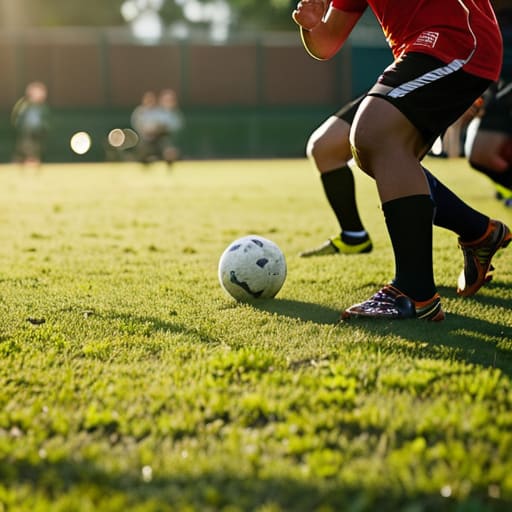
Most coaches love a drill that looks pretty on a tactical board but falls apart the moment a real opponent makes a run. If you want to actually improve reaction speed in football, you have to stop running static patterns and start creating chaos. I’ve always found that the best defensive transition drills are those that force a player to make a decision while they are physically unsettled. Forget the perfect lines; set up a small-sided game where the coach acts as a neutral player who can suddenly “steal” the ball and throw it into a new zone. This forces your players to stop celebrating their tackle and immediately find their shape.
You don’t need fancy equipment for this—just a few cones and a bit of grit. The goal isn’t to have a perfect passing sequence; it’s to see who reacts first when the ball changes hands. If your players are still standing around looking at the referee while the opposition is already halfway down the pitch, you haven’t taught them tactical organization during transitions, you’ve just taught them how to stand in a formation. You want them to feel that sudden, sharp urgency to get goal-side before the ball even hits the grass.
Five Hard Truths About Getting Your Players to React
- Stop coaching the ball and start coaching the space. If your players are only looking at where the ball is, they’ll never see the player sprinting at them the second you lose possession. They need to learn to scan the pitch before the ball even leaves their feet, or they’re just waiting to be caught out.
- The first five seconds are everything. I don’t care how many fancy passing patterns you’ve drawn on a whiteboard; if your players don’t have the instinct to hunt the ball the moment it’s lost, your “tactics” are useless. You have to drill that immediate, aggressive reaction until it’s muscle memory.
- Stop calling them “unfit” when they can’t track a runner in the 70th minute. Half the time, they just haven’t been taught how to manage their energy during the transition. Teach them to sprint when it matters and recover when it doesn’t, rather than jogging aimlessly while the opposition breaks.
- Transitions aren’t just about defending; they’re about the mental shift. The second you win the ball, the mindset has to flip from ‘protect’ to ‘attack’ instantly. If they spend three seconds looking for a teammate instead of looking for an opening, you’ve already lost the momentum.
- Keep your drills small and high-intensity. You won’t teach a kid how to transition in a massive, sprawling 11-v-11 game where they can hide in the gaps. Put them in tight, suffocating spaces where every mistake results in an immediate counter-attack. If they can’t handle the pressure in a small square, they’ll crumble on a real pitch.
The Bottom Line
Stop drilling patterns in isolation; if your players aren’t reacting to a change in possession, they aren’t learning a transition, they’re just performing a dance.
Transition isn’t a tactical concept you discuss in a classroom, it’s a physical reaction that starts the millisecond the ball leaves a player’s foot.
If your team is gasping for air in the final fifteen minutes, stop looking at their fitness levels and start looking at how much energy they waste by standing still when the ball turns over.
The Hard Truth About the Final Whistle
Look, we’ve covered the ground. We’ve talked about stripping away the fancy jargon and focusing on the reality of the moment the ball changes hands. You don’t need a whiteboard full of arrows to teach a transition; you need players who understand that the second they lose possession, the game has fundamentally changed. Whether you are running those high-intensity defensive drills in a muddy field or trying to sharpen the instinct to exploit a gap in the opposition, the goal remains the same: reducing the hesitation. If your players spend three seconds looking at the grass instead of looking for the nearest teammate or the nearest threat, you’ve already lost the battle. It isn’t about being the most tactical team on the pitch; it’s about being the one that reacts first when the chaos starts.
At the end of the day, coaching transitions is about building a certain kind of mental toughness. It’s about teaching your players that football isn’t a series of neat, organized patterns, but a constant struggle to regain control. You won’t see the results in a single training session, and you certainly won’t see them in a highlight reel. You’ll see them in that extra bit of lung-bursting sprint in the eightieth minute when everyone else is looking for an excuse to slow down. Don’t get distracted by the latest coaching trends or the expensive equipment. Just get them moving, get them thinking, and teach them to embrace the mess. That is how you build a team that stays standing when the game gets ugly.
Frequently Asked Questions
My players understand the drill, but as soon as the match starts, they all freeze for three seconds when we lose the ball—how do I fix that mental lag?
That three-second freeze is what kills teams. They aren’t thinking; they’re waiting for permission to react. You’ve likely spent too much time on “perfect” drills where the ball is handed to them. In a match, nobody hands you anything. Stop coaching the pattern and start coaching the trigger. The moment the ball changes hands, the drill is over and the hunt begins. If they aren’t sprinting to close the gap before they’ve even processed the loss, you haven’t finished the session.
How do I balance teaching these high-intensity transitions without absolutely destroying my players' legs by the second half?
You don’t coach intensity; you coach intent. If you run every drill at a hundred percent, you’ll have eleven players lying face-down in the mud by half-time, and you’ll be coaching a group of ghosts by next week.
If I have a squad with vastly different fitness levels, can I still run transition training without the stronger kids doing all the work and the weaker ones just watching?
Look, I’ve seen this a hundred times. You’ve got one kid who’s a marathon runner and another who looks like he’s struggling to walk from the car park to the pitch. If you run a standard transition drill, the fit ones will dominate the ball and the others will just become spectators.
