I’ve sat through enough seminars in drafty community halls to know that most people trying to sell you a “complete guide to captaincy and leadership” are usually peddling nothing more than expensive, polished nonsense. They’ll talk to you about synergy, visionary paradigms, and “empowering stakeholders,” as if you’re running a FTSE 100 company instead of a group of nineteen-year-olds who are currently arguing about whose turn it is to carry the water bottles. If you think leadership is about having a fancy armband and giving a cinematic speech in the dressing room, you’ve already lost the battle. Real leadership isn’t found in a textbook; it’s found when the pitch is turning into a swamp and your center-back is staring at his boots because he’s lost his nerve.
I’m not here to give you a lecture on management theory. I’m going to tell you what actually works when the lungs are burning and the referee has made a decision that would make a saint swear. This is a practical breakdown of how to command a pitch, how to hold a group together when they’re down two goals, and how to spot a leader before they even know they’re one. No fluff, no jargon—just the hard truths I’ve gathered from thirty-five years on the touchline.
Decision Making Under Pressure When the Tactics Fail
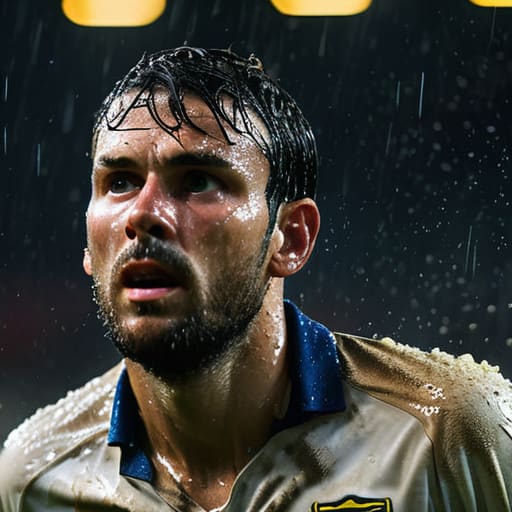
When the plan goes out the window—and let’s be honest, it usually does around the sixty-minute mark when the pitch turns into a swamp—your players aren’t looking at the tactical board you drew in the changing room. They are looking at you. This is where decision making under pressure separates the real leaders from the ones who just happen to be wearing the armband. If you see the midfield losing its shape because everyone is chasing the ball like a pack of hungry terriers, you can’t just scream “stay in position” and hope for the best. You have to make a call: do we drop deeper to protect the back four, or do we squeeze the line to force the mistake?
Real leadership in these moments isn’t about shouting louder; it’s about effective communication for captains that actually provides a solution. If you’re just adding to the noise, you’re part of the problem. I’ve seen plenty of captains lose their heads when a referee makes a shock decision, and that’s the quickest way to ensure your team collapses. You need to be the calmest person on that pitch. If you can manage your own frustration, you give your teammates the permission to stay focused on the game rather than the injustice.
Leading by Example in Sports When Nobody Is Watching

Everyone wants to be the hero under the floodlights, the one hoisting the trophy while the cameras flash. But real leadership isn’t found in a post-match interview; it’s found on a Tuesday night in November when the pitch is a swamp and nobody’s looking. I’ve seen plenty of “leaders” who can bark orders when they’re winning, but the moment things get grim, they disappear. Leading by example in sports isn’t about the big speeches; it’s about being the first one to arrive to set up the cones and the last one to leave when the kit bag needs tidying.
If you want your squad to take the small things seriously, you have to stop treating them like they’re exempt from the grit. You can’t demand intensity in a match if you’re constantly making excuses for why you’re late to training. It’s about consistency in the mundane. When your players see you putting in the work when there’s no glory attached, they stop looking for shortcuts. That’s how you build a culture that doesn’t crack when the pressure mounts.
Five Things a Captain Does When the Whistle Blows and the Chaos Starts
- Master the art of the ‘quiet correction’. If you’re screaming at a teammate for a misplaced pass while they’re already staring at their boots, you’ve lost them. Wait for the ball to go out, get in their ear, and tell them exactly where they should have been. It’s about fixing the error, not highlighting the shame.
- Learn to read the referee’s temperament before you start a confrontation. There is a massive difference between a captain calmly asking for a clarification on a foul and a captain who spends ten minutes waving his arms like a lunatic. One gets you answers; the other gets you a yellow card and leaves your team playing with ten men while you’re sulking on the sod.
- Be the first one to sprint when the momentum shifts. If you see the opposition scoring a second goal and your players are all looking at the grass, you need to be the one sprinting back into position. You can’t lecture a teenager about work rate if you’re standing there with your hands on your hips watching them struggle.
- Understand that your job is to manage the emotional temperature of the pitch. When the game gets heated and the tackles get heavy, the team looks to you to see if they should panic or settle. If you stay composed, they stay composed. If you lose your head, the whole formation collapses into a mess of individual battles.
- Know when to stop talking and start doing. There comes a point in a match—usually around the seventy-minute mark when the legs are heavy and the lungs are burning—where words become noise. At that stage, your leadership isn’t found in a speech; it’s found in that extra five-yard recovery run that shows the rest of the lads that the job isn’t finished yet.
The Hard Truths of the Captain's Armband
Leadership isn’t about the fancy speech you give in the dressing room; it’s about being the first one to sprint back to cover a gap when your team is down two goals and the wind is howling.
A captain’s primary job is to manage the temperature of the group, knowing when to demand more intensity and when to pull a frantic teammate aside to stop them from making a mistake out of pure frustration.
You cannot lead a team through a tactical collapse if you haven’t first earned the right to be heard by being the most disciplined player on the pitch when the game gets messy.
The Long Road to the Armband
At the end of the day, being a captain isn’t about having the loudest voice or the fanciest tactical clipboard. We’ve looked at how you need to make those split-second calls when the plan goes out the window, and why your character matters most when the training session is freezing and nobody is around to applaud. Leadership is a muscle, and it only grows when you’re under tension. You can’t manufacture it in a lecture; you earn it by showing up when things are difficult and by being the person your teammates look to when the game starts slipping away. It’s about the small, unglamorous things: the way you react to a bad refereeing decision and how you pick up a teammate who’s just made a costly mistake.
Don’t go looking for a shortcut or a magic phrase that will suddenly make you a leader. There isn’t one. If you want to wear that armband with any shred of dignity, you have to accept that you will fail, you will get tired, and you will occasionally be wrong. But if you keep your head, keep your standards high, and prioritise the group over your own ego, the rest will follow. Go out there, get your boots dirty, and earn the right to lead. The pitch doesn’t care about your intentions; it only cares about what you do when the whistle blows.
Frequently Asked Questions
How do I handle a captain who is technically brilliant on the ball but has no idea how to actually talk to his teammates when things go wrong?
You’ve got yourself a specialist, not a leader. It’s a common trap; we see a kid who can weave through a defensive line and mistake technical grace for authority. But leadership isn’t a skill you pick up from a YouTube tutorial. Sit him down. Tell him plainly: his talent won’t stop a teammate from collapsing when they’re two goals down and exhausted. He needs to learn that a sharp word of encouragement is just as vital as a sharp pass.
What do you do when the most vocal leader in the squad is also the one causing the most friction in the dressing room?
You’ve got a “loud leader,” which is often just a polite way of saying you’ve got a headache in a captain’s armband. If their shouting is tearing the group apart rather than pulling them together, they aren’t leading; they’re just dominating. I’ve seen it a dozen times. You need to pull them aside—not in front of the lads, but privately—and explain that leadership is about influence, not volume. If they can’t command respect without causing friction, they’re a liability, not an asset.
Is it better to pick a captain based on who is the best player, or the one who's actually going to keep their head when we're two goals down in the mud?
If you pick your best player, you’re betting on talent. If you pick the one who keeps their head in the mud, you’re betting on a result. I’ve seen “star” players crumble the second a referee makes a bad call or the wind picks up, leaving the rest of the lads drifting. Give me the player who directs traffic when the lungs are burning. A captain isn’t there to score the winner; they’re there to stop the collapse.
