I’ve lost count of how many “leadership workshops” and expensive seminars I’ve seen coaches fall for, promising some magic formula for building character. It’s nonsense. You can’t buy a captain, and you certainly can’t manufacture one by handing out fancy armbands during a sunny Tuesday session. Most people looking for how to develop leadership in players think it’s about finding the loudest kid in the group or the one who shouts the most when a tackle goes in. But I’ve stood on enough muddy touchlines to know that true leadership isn’t a personality trait you can coach with a PowerPoint presentation; it’s about how a player reacts when their lungs are burning and the referee has just made a decision that would make a saint swear.
I’m not here to give you any of that glossy, theoretical rubbish. I’m going to tell you how to actually foster that grit by creating the right kind of friction in your drills. We’ll talk about giving your players real problems to solve under pressure, rather than just barking instructions from the sidelines. If you want to learn the practical, unvarnished truth about how to develop leadership in players without the fluff, then let’s get to work.
Moving Beyond Armbands and Coaching Strategies for Team Leaders
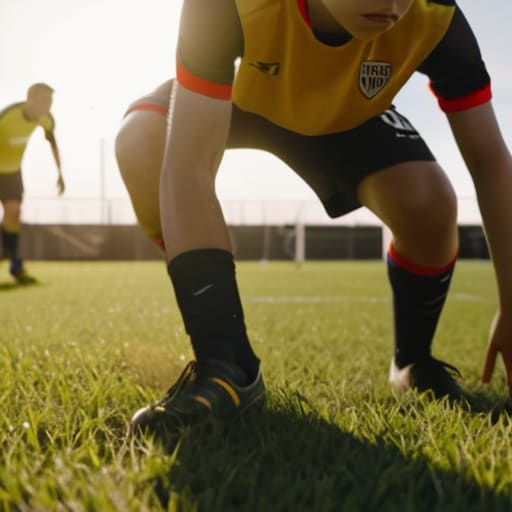
I’ve seen it a thousand times: a coach hands a kid a captain’s armband and suddenly expects them to be a general. It doesn’t work. An armband is just a piece of elastic; it doesn’t magically grant a boy the ability to manage a teammate’s temper or pull a distracted winger back into shape. If your idea of leadership is just appointing a “boss” to do your shouting for you, you aren’t coaching, you’re delegating your own lack of control. Real leadership roles in sports teams aren’t about authority; they are about influence earned through action.
If you want to see real change, you have to stop looking for a single hero and start fostering athlete accountability across the whole group. Instead of lecturing them on what a leader does, give them a problem that requires a collective solution. When a drill falls apart because the energy has dipped, don’t step in to fix it. Let the silence hang for a second. See who steps up to organize the line or who asks why the intensity has dropped. That is where the real work happens—not in your tactical notebook, but in the small, unscripted moments when the players have to look at each other instead of looking at you.
Fostering Athlete Accountability When You Arent Watching
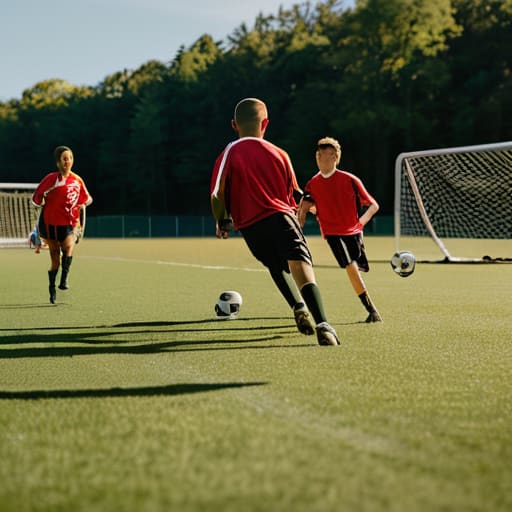
The biggest mistake I see is a coach who thinks they are the only one responsible for the standard of the session. If you are the only one policing the players for being late, for leaving bibs in a heap, or for slacking off during a shuttle run, you haven’t built a team; you’ve built a group of kids who are waiting for permission to work. Real fostering athlete accountability doesn’t happen when you’re standing there with a whistle in your mouth. It happens when you turn your back to set up a new drill and the players actually keep their intensity up because they know their mates are watching.
You have to stop being the policeman and start being the architect. Instead of shouting at the lad who missed a defensive assignment, ask the group, “What was the breakdown there?” and let them fix it. This is how you move toward building team culture through players rather than forcing it upon them. When the players start correcting each other’s positioning or demanding more effort during a rainy Tuesday session, that’s when you know you’ve actually succeeded. You aren’t just teaching them to kick a ball; you’re teaching them that the standard is the standard, regardless of whether the coach is looking.
Five Ways to Stop Being the Only One Talking on the Pitch
- Stop being the loudest voice in the wind. If you’re constantly shouting instructions from the touchline, you’re robbing your players of the chance to find their own voices. You need to create moments of silence where they have to figure out who is stepping up to direct the shape, or they never will.
- Give them problems, not solutions. Instead of telling your midfielder to “drop deeper,” ask them during a break why the space is opening up in front of the back four. A leader isn’t someone who follows your instructions perfectly; it’s someone who understands the ‘why’ well enough to fix a problem before you’ve even noticed it.
- Reward the small, unglamorous stuff. Everyone wants to praise the lad who scores a screamer, but that doesn’t build a captain. Start noticing and calling out the player who pulls a teammate up for losing their position, or the one who stays late to help collect the cones. Leadership is found in the grit, not the highlights.
- Create ‘controlled chaos’ in training. If every drill is perfectly manicured and predictable, you aren’t testing anything. Throw in a rule change halfway through a session or take away their ability to communicate verbally. You want to see who maintains their composure and starts organizing the group when the structure starts to break down.
- Watch how they handle a mistake, not just a success. The true test of a leader isn’t how they act when they’re 3-0 up; it’s how they react when their teammate misses a sitter or a defender makes a blunder. If they turn inward or start pointing fingers, you haven’t built a leader; you’ve just built a group of individuals.
The Bottom Line for the Sunday Morning Coach
Stop looking for a leader in a piece of fabric; true leadership is found in the player who organizes the defensive line when they’re three-nil down and their lungs are burning.
Accountability isn’t about shouting from the touchline; it’s about creating training scenarios where players have to own their mistakes before the referee calls the whistle.
If you want leaders, stop giving them answers and start giving them problems—a player who can solve a tactical mess under pressure is worth ten who just follow instructions.
The Long Game of Leadership
At the end of the day, leadership isn’t something you can manufacture with a fancy whiteboard session or a new piece of kit. We’ve looked at why an armband is just a bit of elastic if the player underneath it hasn’t been given the autonomy to make decisions, and why accountability only works when you stop hovering like a nervous parent and start letting them own their mistakes. You can’t coach character through a drill, but you can certainly create the environment where it’s forced to surface. If you keep solving every problem for them, you’ll never find out who is actually capable of stepping up when the game gets ugly and the referee is making all the wrong calls.
I’ve spent thirty-five years watching players come and go, and the ones who truly leave a mark aren’t always the ones with the most talent; they are the ones who refuse to let the standards drop when no one is looking. It’s a slow, often frustrating process of trial and error, usually played out on a muddy pitch while you’re wondering if you’ve wasted your Sunday morning. But if you give them the space to lead, even when they stumble, you aren’t just building a better squad for next Saturday—you’re building people who know how to stand their ground in whatever comes next. Now, get back out there and let them play.
Frequently Asked Questions
How do I stop the "loudest" kid from being the leader and start finding the quiet ones who actually see the game?
The loudest kid is usually just a performer, not a leader. He’s playing to the sideline, not the team. To find the real ones, stop looking for the voice and start looking for the eyes. Watch the quiet kid who’s constantly pointing, adjusting a teammate’s position, or scanning the field before the ball even arrives. That’s tactical intelligence. Give the “quiet” player a specific responsibility in a drill—like directing the press—and see if they actually command the space.
What do I do when my designated leader starts arguing with me or my other coaches instead of his teammates?
Listen, you’ve hit a wall, and it’s a common one. You’ve accidentally trained a dictator instead of a leader. If he’s arguing with you, he’s testing the hierarchy, not helping the team. Pull him aside—away from the group—and be blunt. Tell him leadership isn’t about being the loudest voice in a disagreement; it’s about being the person who settles the noise. If he can’t respect the staff, he’ll never command the players.
How do I teach leadership to a group of ten-year-olds who are more interested in their phones than the tactical shape of the team?
You can’t lecture a ten-year-old into being a leader; they’ll tune you out before you’ve even finished your first sentence. At that age, leadership isn’t about tactical shape—it’s about ownership. Stop trying to be the only one with the answers. Give them a problem to solve. “The midfield is a mess, how do we fix it?” Let them argue, let them fail, and let them figure out that helping a teammate is more rewarding than staring at a screen.
