I remember standing on a pitch in mid-November, shivering in a damp tracksuit, watching a young lad try to run a passing drill while I spent ten minutes digging through a tangled mess of bibs and half-deflated balls. It’s a ridiculous way to spend a Tuesday evening, and frankly, it’s a waste of the kids’ time. Most people think you need some fancy, color-coded tactical system or a bespoke storage unit to stay on top of things, but that’s just nonsense. If you want to learn how to organise equipment efficiently, you don’t need a bigger budget; you need a system that actually works when the wind is blowing sideways and your players are losing interest.
I’m not here to sell you on some expensive organizational gadget that’ll end up rotting in the back of a van. I’m going to tell you exactly how I manage my kit so that I spend my time coaching players instead of hunting for a missing yellow cone in the mud. We’ll focus on the practical, no-nonsense methods that survive a heavy rainstorm and a chaotic group of under-tens. I’ll show you how to set up your station so you’re ready to go the moment the whistle blows, because the session starts the moment you arrive, not when you finally find the ball pump.
Minimizing Setup Time for Drills When the Frost Is Biting
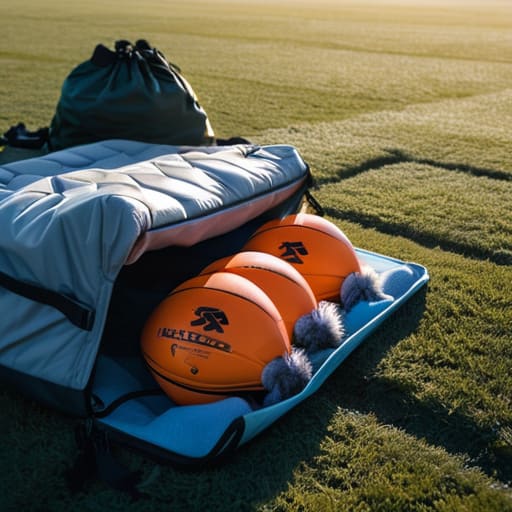
When the temperature drops and the frost starts turning the pitch into a skating rink, your patience is already thinner than a cheap pair of training bibs. The last thing you want is to be fumbling with frozen bag zips or digging through a mountain of tangled nets while twelve shivering ten-year-olds start eyeing the sidelines. If you aren’t optimizing training session setup before you even step out of the car, you’ve already lost the battle. I’ve learned the hard way that a coach standing over a pile of gear is a coach who isn’t actually coaching.
The secret isn’t some high-tech gadget; it’s about minimizing setup time for drills through basic preparation. I keep my essential kit—cones, bibs, and balls—in separate, clearly marked bins rather than one giant, chaotic bag. When you use specific storage hacks for coaching equipment, like keeping your bibs in a dedicated mesh bag that doesn’t trap moisture, you stop fighting your own gear. You want to be able to walk onto that pitch, drop your bags, and have the drill running before the kids have even finished complaining about the cold.
Storage Hacks for Coaching Equipment That Actually Work
Don’t go buying those fancy, over-engineered plastic bins that crack the moment you drop them on a gravel car park. I’ve seen plenty of coaches fall for the trap of thinking expensive sports gear storage solutions are the answer to their problems. They aren’t. The real trick is visibility and accessibility. I use heavy-duty, clear-sided crates or even just old, sturdy laundry baskets. If you can’t see the bibs through the plastic, you’re going to spend five minutes digging through a dark hole while your U-11s start wrestling in the mud.
I’ve also learned that organizing training aids and accessories by frequency of use is the only way to stay sane. Keep your most-used items—the cones, the bibs, and the ball pump—in a dedicated “go-bag” or a specific rolling trolley. If you have to go back to the boot of the car every time you need a spare whistle or a spare set of markers, you aren’t coaching; you’re just running errands. Stop treating your kit like it’s precious cargo and start treating it like a toolkit that needs to be ready for immediate deployment.
Five ways to stop your gear from becoming a shambles
- Stop using one massive bag for everything. If you’re digging through a single cavernous sack of mixed balls, bibs, and cones, you’re wasting ten minutes of precious training time. Get a few smaller, dedicated bags—one for bibs, one for cones, one for balls. You’ll find what you need in three seconds instead of five minutes.
- The “Bib Bundle” method is your best friend. Don’t just throw bibs into a pile; they’ll end up in a knot that’d baffle a sailor. Roll them or fold them into neat stacks before you leave the house. When you arrive at the pitch, you can drop a stack on the grass and have them ready for the kids in seconds.
- Colour-code your life. If you’ve got three different sets of cones, don’t just call them ‘the small ones’ or ‘the bright ones.’ Mark them. Use the red ones for boundaries and the yellow ones for targets. If you have to spend half a session explaining which cone is which, you aren’t coaching, you’re babysitting.
- Carry a ‘go-bag’ for the small essentials. I’ve seen too many sessions derailed because a coach realized they forgot a whistle, a stopwatch, or a spare pump. Keep a small, waterproof pouch with these basics. It’s the difference between a session that flows and one that stutters every time you need to check the time.
- Use a trolley if you’ve got the legs for it. If you’re hauling forty balls and a bag of heavy training mannequins from the car to a pitch that’s fifty yards away, don’t do it by hand. A simple folding trolley saves your back and ensures you arrive at the touchline ready to talk football, not gasping for air.
The Bottom Line for Your Sunday Morning
Stop treating your kit bag like a black hole; if you can’t find a bib by touch in the dark, you aren’t organized, you’re just lucky.
Efficiency isn’t about fancy gear, it’s about layout—set your stations up so the players are moving, not you.
Respect the clock and the weather; every minute you spend fumbling with a tangled net is a minute of training time you’ll never get back.
Get Your Gear Right and Get Coaching
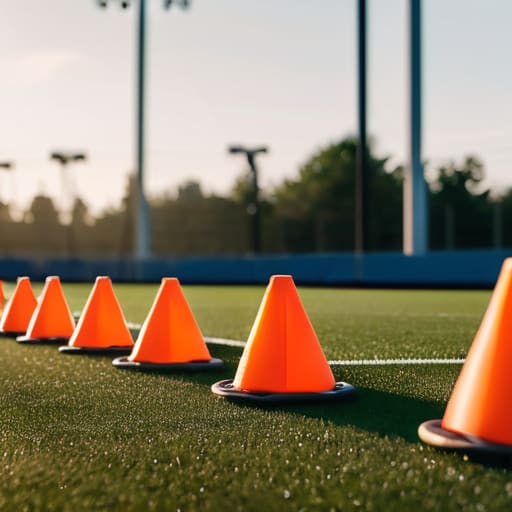
At the end of the day, organizing your kit isn’t about being some meticulous perfectionist with a clipboard; it’s about respect for the time you have with your players. If you’ve done half of what I’ve said, you’ll stop wasting those precious first ten minutes of a session hunting for a rogue bib in the bottom of a damp bag or trying to find a pump when the balls are all flat. You’ll have your cones laid out, your bags sorted by drill type, and your kit ready to go before the whistle even blows. When you minimize the chaos of the setup, you maximize the actual coaching, and that is where the progress happens. Efficiency is the foundation of a good session, not an afterthought.
I’ve seen too many young coaches walk onto a pitch looking frazzled because they were fighting their own equipment instead of managing their players. Don’t let the logistics become the lesson. You didn’t get your coaching badges to spend your life wrestling with plastic cones and tangled nets; you got them to develop people. Get your gear sorted, get your head in the game, and focus on the kids in front of you. Once the equipment is under control, you can actually start doing the job you signed up for. Now, get out there and make it count.
Frequently Asked Questions
How do I keep track of all my gear when I’m coaching on a pitch with no permanent storage or even a proper clubhouse?
Look, if you don’t have a clubhouse, your car is your clubhouse. Stop treating it like a junk drawer. Get a heavy-duty plastic crate for every category—bibs in one, cones in another, balls in a mesh bag. When you arrive, everything comes out of its specific box. When the whistle blows to pack up, it goes back in the same box. If it isn’t in a box, it’s lost in the grass.
Is there a way to organize equipment that doesn't involve me lugging a heavy, disorganized bag across a muddy field every Sunday?
Look, if you’re still wrestling with one massive, bottomless black bag, you’re doing it wrong. It’s a recipe for a sore back and a lost whistle. Get yourself a folding trolley—something with decent, wide wheels that won’t sink into the muck. Split your kit into smaller, clear bins: one for cones, one for bibs, one for balls. It’s about modularity. You grab the ‘bib bin’ and move on, instead of digging through a graveyard of damp socks.
How much time should I actually be spending on setup versus the players—is there a point where I'm over-preparing and wasting the session?
If you’re spending more time fiddling with your kit than you are looking at the players, you’ve stopped coaching and started playing house. A session shouldn’t be a rehearsal for a theatre production. Aim for a 10:90 split—ten percent prep, ninety percent active movement. If you’re over-preparing, you’re usually just masking a lack of a plan. Get the cones down, get the ball moving, and then coach the chaos.
