I’ve spent thirty-five years standing on touchlines where the wind cuts right through your jacket, and if there is one thing I’ve learned, it’s that you don’t need a fancy academy coach with a clipboard and a degree to develop a decent shot-stopper. I see too many young coaches scrolling through social media, trying to replicate complex, high-speed agility drills they saw on a professional training montage, only to realize they have no idea how to coach a goalkeeper without a specialist standing right there next to them. It’s a ridiculous way to waste a Tuesday night. You don’t need a specialist to teach a kid how to catch a ball or command a box; you just need to stop overcomplicating the basics before you lose the attention of the other thirteen kids waiting for their turn.
I’m not here to sell you on expensive equipment or “revolutionary” new methodologies that fall apart the moment the pitch gets muddy. I am going to give you the practical, battle-tested drills that actually work when you’re flying solo on a Sunday morning. We are going to focus on the fundamental movements that keep the ball out of your net, ensuring your keeper is a functional part of the team rather than an afterthought.
Essential Goalkeeper Fundamentals That Dont Require a Degree
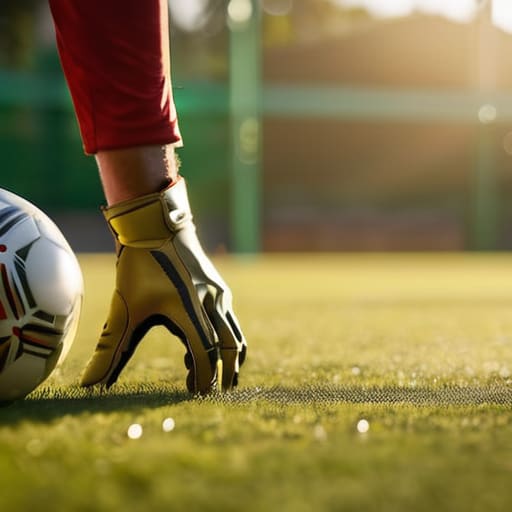
Look, you don’t need a PhD in sports science or a fancy specialist to teach a kid how to stop a ball from hitting the back of the net. Most of the nonsense you see online involves complex footwork patterns that fall apart the moment a striker actually runs at them. If you’re stuck doing it yourself, start with the basics: basic goalkeeper handling techniques. I’m talking about the “W” hand shape and teaching them to use their body as a shield. If they can’t catch a ball cleanly at ground level when they’re dry, they certainly won’t do it when the pitch is a swamp.
Once they’ve got the hands sorted, you move on to goalkeeper positioning and shot stopping. This isn’t about teaching them to fly through the air like they’re in a Hollywood film; it’s about being in the right place so they don’t have to make a miracle save in the first place. I always tell my players that a good keeper is a boring keeper—they stay on their feet, they stay central, and they narrow the angle. If you focus on these essential goalkeeper fundamentals, you’re giving them a foundation that actually lasts.
Basic Goalkeeper Handling Techniques for the Busy Outfield Coach
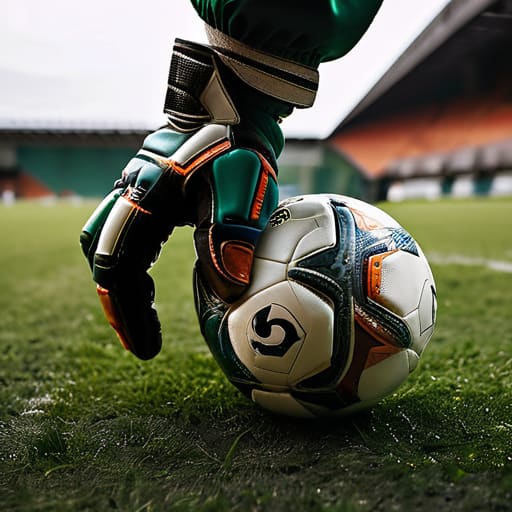
Look, you aren’t going to teach them how to perform a spectacular fingertip save in a top corner by Tuesday afternoon. Forget that. If you’re an outfield coach trying to manage a keeper, your job is to stop the “soft” goals—the ones that happen because the ball simply squirted through their hands like a wet bar of soap. Focus on the W-grip. I don’t care how many fancy terms they use in academies; if their hands aren’t forming a clear ‘W’ shape with the thumbs and index fingers behind the ball, they’ll drop it every single time the pressure rises.
When it comes to basic goalkeeper handling techniques, keep the drills simple. Don’t set up a complex circuit that takes twenty minutes to organize while the rest of the team stands around picking daisies. Instead, try integrating goalkeeper work into team sessions by having them work on catching volleys or low drives immediately after a standard passing drill. If they can’t secure a ball at chest height while their heart rate is up, they won’t do it in the 89th minute when the mud is thick and the lungs are burning.
Five Rules for Keeping Your Keeper From Losing Their Head
- Stop treating them like an afterthought. If you’re running a drill for the outfield players and your keeper is just standing there watching the chaos, you’ve already lost them. Integrate them. If the drill involves a passing pattern, the keeper should be part of the distribution. A keeper who is constantly “on” is a keeper who stays focused when the real game starts.
- Focus on the “W” shape, not the fancy stuff. I’ve seen too many coaches try to teach complex diving techniques to a twelve-year-old who can’t even catch a ball properly. Forget the acrobatic leaps for now. Teach them to get their hands in a solid ‘W’ position above their chest. If they can catch a ball cleanly, they’re already better than half the keepers in the local league.
- Use the “small goal” method for confidence. If you’re working on shot-stopping, don’t just let them get hammered by every kid in the squad. That’s how you break a young player’s spirit. Start with smaller, controlled shots from closer range. Let them feel the satisfaction of a clean catch or a solid save before you start asking them to defend a goal the size of a bus.
- Communication is a skill, not a personality trait. Most young keepers are quiet because they’re terrified of being wrong. Don’t just tell them to “talk more”—that’s useless advice. Give them specific jobs. Tell them to yell “Left!” or “Away!” or “Man on!” It gives them a script to follow, and once they realize that shouting actually helps the defenders, they’ll stop being so shy about it.
- Respect the physical reality of the position. If you’re asking a keeper to do a full high-intensity outfield drill and then immediately expect them to dive at their feet for a volley, you’re asking for a groin strain or a bruised ego. Balance their workload. They need the fitness, but they also need the specific, repetitive handling work that keeps their hands sharp without burning them out by the second half.
The Bottom Line for the Solo Coach
Forget the fancy diving tutorials you see on YouTube; if they can’t catch a ball at chest height without looking like they’re trying to hug a grizzly bear, nothing else matters.
Don’t let your keeper become a spectator; integrate them into your passing drills so they actually understand how the shape of the team affects their job.
Keep the drills simple and high-repetition, because trying to teach complex footwork while you’re also managing ten outfielders is a recipe for a chaotic, wasted session.
The Reality of the Goal Line
Look, I know it feels like you’re being asked to teach physics without a textbook. You’re standing there on a muddy pitch, trying to explain hand positioning to a kid who’d rather be chasing a winger, all while your outfield drills are falling apart. But remember: you don’t need a specialist to teach the basics of positioning and bravery. If you focus on the fundamentals—getting them to stay on their feet, teaching them to catch rather than just punch, and making sure they aren’t standing a yard too far off their line—you’ve done 80% of the heavy lifting. Stop overcomplicating the technicalities and just focus on making them reliable when the pressure is on.
At the end of the day, a goalkeeper is just a player with a different set of responsibilities and a much lonelier job. You don’t need a UEFA Pro licence to see when a kid is losing their confidence or when they’ve stopped communicating with their defenders. If you give them the basic tools to survive the first twenty minutes, they’ll often find their own way through the rest of the match. Don’t let the lack of a specialist coach become an excuse for poor standards. Just get stuck in, keep it simple, and trust the process—even when the rain is coming down sideways and nobody is watching.
Frequently Asked Questions
I've got a keeper who is terrified of the ball; how do I build their confidence without turning the whole session into a goalkeeper clinic?
Stop treating the ball like a weapon and start treating it like a piece of equipment. If they’re flinching, it’s because they don’t trust their hands or their courage. Don’t start with high shots; start with soft, rolled tennis balls or even a sponge ball. Get them used to the sensation of catching something without the fear of a bruised rib. Once they stop squinting, you bring in the real ball, but keep it low and controlled.
How do I integrate goalkeeper drills into a team session without the rest of the players standing around looking bored?
Stop running two separate sessions. If you’ve got ten outfielders doing rondos while your keeper is stuck in a corner catching balls for twenty minutes, you’ve already lost them. Instead, integrate the keeper into your possession drills or small-sided games. Make them the “target” or a neutral player who must play out from the back. If the keeper is part of the game, they’re working, and the rest of the lads aren’t standing around checking their phones.
When a shot comes at them from close range, what's the one thing I should tell them to focus on so they don't just freeze?
Tell them to get their hands ready and their eyes on the ball. That sounds simple, doesn’t it? But most kids freeze because they’re looking at the striker’s face or worrying about the crowd. I tell them: “Watch the ball hit the boot.” If they focus on the point of contact, their brain switches from panic mode to reaction mode. Don’t let them stand there like a statue; tell them to stay big and stay focused on the strike.
