I’ve spent far too many Sunday mornings watching eighteen-year-olds wander around a pitch like they’re walking through treacle, all because they think a single protein shake and a nap is the magic answer to how to recover between matches. I see these kids—and their coaches—chasing after expensive compression leggings and fancy electrolyte powders that cost more than a decent pair of boots, while completely ignoring the basics. If you want to know why your midfield is gasping for air by the seventy-minute mark, stop looking at the gadget shop and start looking at what they’re actually doing in the forty-eight hours following the final whistle.
I’m not here to sell you a subscription to some high-tech recovery app or tell you that ice baths are the only way to survive a season. What I’m going to give you is the truth from thirty-five years on the touchline: a practical, no-nonsense guide on how to recover between matches that actually works when you’re short on time and even shorter on budget. We’re going to talk about real fuel, real rest, and the common-sense habits that keep a squad from falling apart when the winter fixtures start piling up.
Glycogen Replenishment After Competition Refueling the Engine
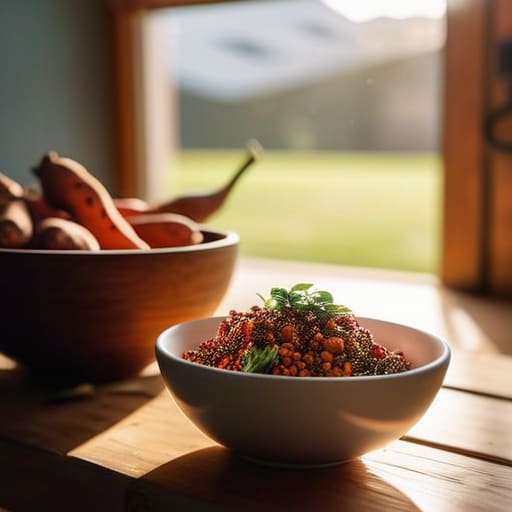
You can spend all morning talking about stretching and foam rollers, but if your players haven’t eaten anything substantial after the final whistle, they’re essentially trying to drive a car on an empty tank. By the time the ninety minutes are up, their stores are tapped out. This is where glycogen replenishment after competition becomes the difference between a player who bounces back and one who’s still dragging their feet by Wednesday. I’ve seen too many lads finish a hard game, grab a bag of crisps or a fizzy drink, and wonder why they feel like they’ve been hit by a bus two days later.
It isn’t about fancy supplements or expensive powders that promise the world; it’s about basic, reliable fuel. You need a proper mix of carbohydrates to restock those energy stores and protein to start the repair work. If you ignore this window, you aren’t just looking at poor performance in the next session; you’re actively inviting muscle soreness prevention issues that will sideline your best players. Feed them properly, keep the sugar crashes to a minimum, and you’ll find they actually have the legs to execute the drills you’ve spent all week preparing.
Post Match Hydration Strategies for the Long Haul
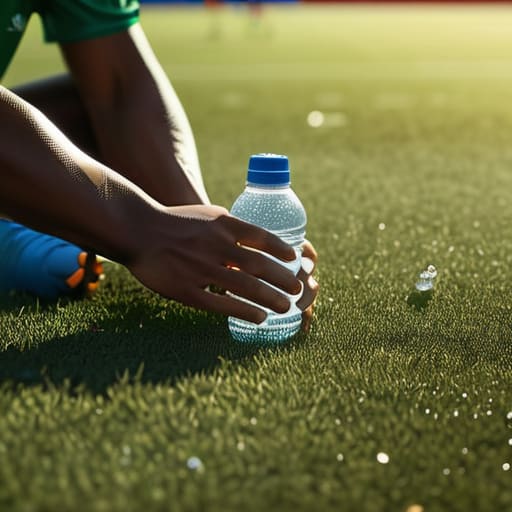
You’ll see them all over the touchline after the final whistle—players slumped on the grass, reaching for a lukewarm bottle of fizzy drink or, worse, nothing at all. That’s a mistake. If you think you can just wait until you get home to have a pint of water, you’ve already lost the battle. Effective post-match hydration strategies aren’t about quenching a thirst; they are about replacing what was lost through sweat and metabolic waste. If the tank is dry, the recovery process stalls before it even begins.
I’ve seen too many lads struggle with stiffness the next day simply because they neglected their fluids. Proper rehydration is a cornerstone of muscle soreness prevention, because a dehydrated muscle is a brittle, grumpy muscle. I tell my players to aim for small, frequent sips rather than gulping a litre in one go. If you’re looking to manage the physical toll, you need to consider how much salt you’ve lost alongside the water. It isn’t just about the liquid; it’s about ensuring that liquid actually stays in the cells where it’s needed, rather than just passing straight through you.
The Sunday Morning Reality Check: Five Ways to Actually Recover
- Stop treating sleep like an optional extra. I’ve seen more players crumble because of a late night on a Saturday than because of a bad training session. If they aren’t getting seven or eight hours of decent shut-eye in the forty-eight hours following a match, all the fancy protein shakes in the world won’t fix the sluggishness in their legs.
- Don’t let them sit on the sofa for three days straight. I know it’s tempting to tell a tired lad to stay put, but “active recovery” isn’t just a buzzword for the pundits. A twenty-minute walk or a very light cycle the day after a match keeps the blood moving and helps clear out the stiffness. If they stay stationary, they’ll wake up on Tuesday feeling like they’ve been hit by a bus.
- Watch what they do in the seventy-two hours after the whistle. You can give them a perfect meal in the changing room, but if they spend the next two days living on crisps and energy drinks, they’ve wasted your time. Recovery isn’t a single event; it’s a window of time that they need to manage properly if they want to be useful for the next fixture.
- Respect the soft tissue, but don’t obsess over it. A bit of foam rolling or some light stretching can help a player feel less like a statue, but don’t let them go overboard trying to “fix” every minor ache. If they’re nursing a genuine niggle, they need rest, not a DIY physiotherapy session in their bedroom.
- Mental reset is just as vital as physical repair. If a player has a bad game and spends the entire week replaying every misplaced pass in their head, they’ll show up to the next training session with their shoulders slumped. Part of recovering is learning to leave the result on the pitch so they can approach the next session with a clean slate.
The Bottom Line: Don't Leave Your Recovery to Chance
Stop treating food like an afterthought; if you don’t get those carbs and proteins in shortly after the final whistle, you aren’t just losing energy, you’re actively sabotaging next week’s training session.
Hydration isn’t just about drinking water when you’re thirsty; it’s a slow, steady process of replacing what you sweated out on that pitch so you don’t wake up feeling like you’ve been hit by a bus on Tuesday morning.
Real recovery happens in the quiet hours between matches, not just in the locker room—watch what your players are doing in the seventy-two hours leading up to kick-off, because that’s where the real work is won or lost.
The Long Game
Look, I’m not asking you to turn your players into professional nutritionists or biohackers with expensive gadgets. You don’t need a laboratory to see results; you just need to stop neglecting the basics. If you’ve sorted the glycogen replenishment so they aren’t running on empty, and you’ve managed the hydration so they aren’t cramping up by the second half of the next session, you’ve already done more than most. Recovery isn’t some luxury you treat as an afterthought once the kit is in the wash; it is the foundation of everything we do on the training pitch. If you ignore the fuel and the fluids, you’re essentially asking your players to drive a car across the country on an empty tank and a dry radiator. They will stall, and when they do, it won’t be because they lack talent—it’ll be because you didn’t prepare them.
At the end of the day, coaching is about building resilience, and that resilience starts long before the whistle blows on Saturday. You can draw all the tactical diagrams you want, but those patterns will fall apart if the players are too exhausted to execute them. Real progress happens in those quiet, unglamorous hours between the matches when nobody is watching. Do the work, respect the recovery, and trust the process. If you take care of the small, practical details now, the results will take care of themselves when the pressure is on.
Frequently Asked Questions
I've got a lad who's eating plenty but still looks like he's running through treacle by the second half; how do I know if it's his food or just poor conditioning?
Look, before you start lecturing him on his breakfast, look at his workload. If he’s hitting every tackle and tracking runners for sixty minutes before he hits the wall, it’s a fuel issue. But if he’s standing there watching the ball roll past him from the first whistle, he’s just not fit enough to play the game. Ask him what he’s actually doing in the seventy-two hours before kick-off. If it’s all screens and zero steps, there’s your answer.
If we're playing a mid-week fixture on a Tuesday, is there actually any point in doing a recovery session, or should we just leave them be?
If you’re playing Tuesday, a formal “recovery session” is a waste of everyone’s time. You aren’t going to fix a torn hamstring with a foam roller on a Monday night. What you need is active mobility—nothing more than twenty minutes of light movement to flush the legs and keep the joints from seizing up. If they’ve been sitting on a sofa since Sunday, they’ll be heavy on Tuesday. Get them moving, but don’t overwork them.
How much of this "recovery" is actually just about sleep, and how do I get a group of eighteen-year-olds to actually get off their phones and shut their eyes?
Look, you can feed them the best pasta in the county, but if they’re staring at a glowing screen until 2:00 AM, they’re running on fumes. Sleep is the foundation; everything else is just decoration. To get eighteen-year-olds to listen, stop preaching about “recovery” and start talking about performance. Tell them their reaction time and decision-making—the stuff that actually wins games—is being gutted by blue light. Make it about their edge, not their bedtime.
