I’ve spent half my life sitting on damp plastic seats in coaches that smelled of stale Lucozade and broken dreams, trying to get a squad of teenagers to a fixture three counties away without someone losing a shin guard or their temper. Most of the rubbish you read online—those glossy, over-produced “complete guide to away travel” articles filled with talk of luxury transfers and five-star layovers—is absolute nonsense. They write as if you’re heading to a resort in Spain, not a freezing Tuesday night fixture in a town where the local station is a thirty-minute walk through a hedge. If you’re looking for a way to turn a logistical nightmare into a seamless experience using nothing but magic and high-end apps, you’ve come to the wrong place.
I’m not here to sell you on a fantasy; I’m here to give you the practical reality of what it takes to move people from A to B without the whole thing collapsing by the second hour. I’ll tell you which kit is actually worth the space in your bag, how to handle the inevitable delays that the brochures ignore, and how to ensure your group arrives ready to perform rather than just exhausted. This is the honest, no-nonsense truth about what survives the journey and what simply breaks under pressure.
Mastering Group Travel Management Before the First Mile

If you wait until you’re standing in a coach park with twenty restless teenagers and a missing kit bag to start thinking about logistics, you’ve already lost the battle. Real group travel management isn’t about having a fancy spreadsheet; it’s about anticipating the chaos before it happens. I’ve seen too many coaches spend their entire tournament chasing players instead of watching the game because they didn’t have a solid plan for the basics. You need to treat your logistics like a training drill: if the foundation is sloppy, the whole performance falls apart.
Before you even think about the first mile, your itinerary planning for excursions needs to be airtight. I’m talking about knowing exactly where the toilets are, how long the walk is from the drop-off point, and who is responsible for the emergency contact list. You don’t need a cinematic adventure; you need a predictable sequence of events. If you haven’t accounted for the “dead time” between the bus arriving and the first whistle, you aren’t planning—you’re just hoping for the best. And in my experience, hope is a terrible substitute for a decent plan.
The Brutal Truth About Group Accommodation Booking
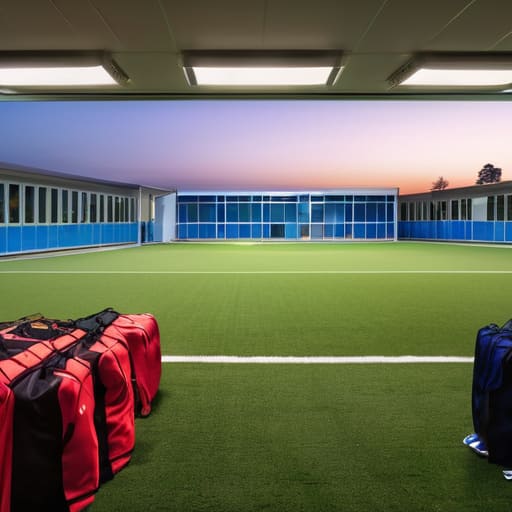
Look, I’ve seen enough youth teams arrive at a campsite at 10:00 PM only to find the “budget-friendly” dorms are actually just a damp shed with a leaking roof and no working locks. When you are handling group accommodation booking, you aren’t just looking for a bed; you are looking for a base of operations that won’t fall apart when the kids start getting restless. If the facility is twenty minutes away from the pitch and has no reliable way to store kit, you’ve already lost the battle before the first whistle.
Don’t get seduced by a shiny website or a price that looks too good to be true. I’ve learned the hard way that the cheapest option usually comes with a hidden tax on your sanity. You need to vet the layout personally—or at least via a very blunt phone call. You need to know exactly where the exits are and if the kitchen is actually capable of feeding fifteen hungry teenagers without a riot breaking out. Proper travel budget management isn’t about spending the least; it’s about spending enough to ensure you aren’t spending your entire Sunday morning fixing a logistical disaster.
The Logistics That Actually Keep a Squad Together
- Stop treating the minibus like a lounge; if you haven’t assigned seats and a strict ‘no food’ rule before you turn the ignition, you’re not traveling, you’re babysitting a rolling disaster zone.
- Forget the fancy apps for a second and get a physical folder of every contact number and booking reference; when the signal drops in a valley or a battery dies in a cold station, you’ll be glad you aren’t staring at a black screen.
- You need a ‘buffer hour’ built into every single transfer, because in my experience, a ‘ten-minute walk’ from a train station to a hotel is usually a forty-minute trek through a maze of construction and bad luck.
- Pack a communal kit bag that isn’t just for kit; I’m talking chargers, basic first aid, and enough snacks to prevent a low-blood-sugar meltdown before you’ve even reached the pitch.
- Assign one person—and only one—to be the ‘Timekeeper’ for the group; if you leave the responsibility of checking the departure board to a collective, you’ll find yourselves standing on a platform watching the last coach of the night pull away.
The Hard Lessons: What Actually Matters When the Bus Leaves
Don’t trust a spreadsheet to do the job of a conversation; if you haven’t spoken to your group about expectations and costs face-to-face, you’re inviting a mutiny before you’ve even hit the motorway.
Cheap accommodation is a trap that costs more in morale than the money you save; a bed that doesn’t work and a room that’s too loud will leave your players mentally exhausted before the whistle even blows.
Logistics aren’t a suggestion, they are the foundation—if your timing is off by twenty minutes at the start, you aren’t just late, you’re already losing the psychological edge you need for the weekend.
The Final Whistle
Look, if you’ve taken anything from this, let it be this: away travel isn’t about the destination or the shiny hotel photos on a website; it’s about the logistical discipline you establish before the engine even starts. You can have the best squad in the league, but if your transport is a shambles and your accommodation is a disorganized mess, you’ve lost the battle before you’ve even stepped onto the pitch. We’ve covered the necessity of rigid group management and the hard reality of booking beds that won’t leave your players exhausted. It’s about removing the variables that cause friction. You don’t win games in the hotel lobby, but you certainly don’t lose them there if you’ve planned with intent.
At the end of the day, these trips are where the real culture of a club is built. It’s in those long, quiet hours on the coach and the shared meals in a cramped dining room that a group of individuals starts to become a team. Don’t let poor planning turn a developmental opportunity into a lesson in frustration. Handle the logistics with the same seriousness you apply to your training drills, and you’ll find that the travel becomes the foundation, rather than the obstacle. Get the details right, keep your head down, and let the players focus on what they actually came there to do.
Frequently Asked Questions
How do I keep a group of teenagers from losing their heads when the coach is two hours late and it's pouring rain?
You don’t manage them with a lecture; you manage them with a plan. When the bus is late and the rain is coming down, they aren’t being difficult—they’re bored and cold. Keep them occupied. If you’re stuck at a station, give them a task or a low-stakes game to keep their heads in the match. Most importantly, don’t fake optimism. Acknowledge the mess, tell them the reality, and keep the focus on the next step.
What’s the most efficient way to handle meal times without spending half the budget on overpriced roadside service stations?
Listen, if you think a service station meal is a “plan,” you’ve already lost the battle. You’ll spend forty minutes in a queue just to pay twelve quid for a soggy panini and a lukewarm coffee. Don’t do it. The only way to survive a long trip without draining the kit bag is to shop local before you even leave the depot. Bulk-buy, pack the heavy stuff, and treat the team to decent food, not overpriced convenience.
How do I balance a tight schedule with the reality that someone, somewhere, is inevitably going to be running late?
You build your schedule around the person who is most likely to fail, not the one who is most punctual. If you plan for a 9:00 AM departure and assume everyone arrives at 8:55, you’ve already lost. I call it the ‘Buffer Principle.’ Build in twenty minutes of dead time for every major transition. It’s not wasted time; it’s insurance against the inevitable chaos of a teenager losing a sock or a parent hitting traffic.
