I’ve sat through enough “leadership seminars” in drafty community halls to know that most of them are absolute rubbish. They’ll hand you a glossy folder full of corporate jargon about “synergy” and “strategic stakeholder engagement,” but they won’t tell you what to do when your treasurer loses the receipts for the new training bibs or when two parents start a civil war over pitch rotation. If you’re looking for a corporate manual, you’ve come to the wrong place; what you actually need is a complete guide to running a club committee that survives the reality of a rainy Tuesday night and a dwindling bank balance.
I’m not here to sell you on some fancy management theory that only works in a boardroom with central heating. I’m going to give you the unvarnished truth about how to actually get things done without losing your mind or your friends in the process. We’ll talk about setting roles that people actually fulfill, managing the egos that inevitably show up, and building a structure that stays standing long after you’ve hung up your whistle. This is about building something that lasts, not just surviving until the next AGM.
Why Your Club Constitution and Bylaws Are Your Only Real Shield

I’ve seen it happen a dozen times: a long-serving chairman decides he’s the law because he’s been there since the club was just a bag of balls and a dream. Without a proper club constitution and bylaws, you aren’t running a club; you’re running a dictatorship with a much smaller budget. These documents aren’t just dusty paperwork to satisfy a grant application; they are the only things that stop a single person’s ego from derailing everything the rest of you have worked for. When things get heated—and they always do—you don’t rely on “who’s been here longest.” You rely on the rules you all agreed to follow.
When the inevitable argument breaks out over pitch fees or kit colours, your bylaws provide the framework for conflict resolution in committees. It takes the emotion out of it. Instead of shouting about fairness, you point to the text. It’s about moving away from “I think” and toward “the rules state.” If you don’t have that shield in place, you’ll spend more time managing personalities than managing the football.
Non Profit Leadership Responsibilities They Dont Teach You in Books
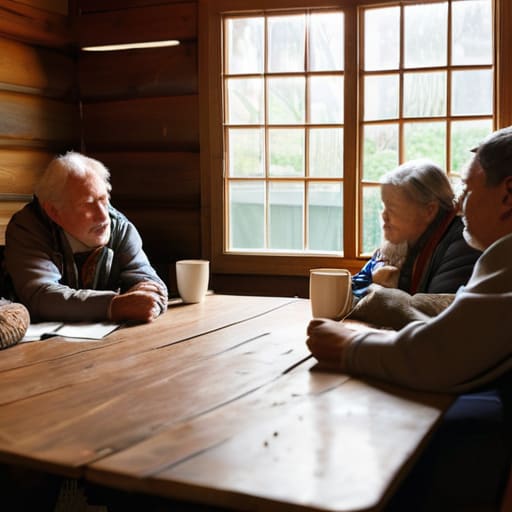
Most of the literature on non-profit leadership responsibilities reads like it was written for a corporate boardroom in a glass tower, not a drafty clubhouse with a leaking roof. In the real world, leadership isn’t about grand visions; it’s about the unglamorous work of keeping the wheels from falling off. You aren’t just managing a budget; you are managing people’s time, their passion, and their occasional, inevitable frustration. If you treat your committee like a business meeting instead of a group of people giving up their Tuesday nights for the good of the kids, you’ll find yourself staring at an empty room by mid-season.
The real test comes when things go wrong—and they will. Whether it’s a dispute over pitch bookings or a disagreement on kit colours, you need more than just a polite nod to get through it. You need practical conflict resolution in committees that doesn’t involve everyone walking out in a huff. This means having a clear process for agendas and decision making so that no one feels sidelined by a rogue chairman. If you don’t establish these boundaries early, you won’t be running a football club; you’ll be running a glorified debating society where nothing actually gets done.
Five Ways to Stop Your Committee from Becoming a Circular Argument
- Get the right people in the chairs, not just the loudest ones. I’ve seen too many clubs run by a handful of people who love to hear themselves speak but couldn’t organize a kit bag. You don’t need a visionary; you need a treasurer who actually checks the receipts and a secretary who doesn’t treat an email like a suggestion.
- Stop making decisions in the pub after the meeting. I know, it’s where the real talk happens, but if it isn’t written down in the minutes, it never happened. If you decide to change the training schedule over a pint and don’t record it, you’ll spend the next three months wondering why half the parents are complaining about the new time slots.
- Set a hard limit on how long a meeting can last. If you’re still arguing about the colour of the new training bibs forty-five minutes into a session, you’ve lost the room. Keep an agenda, stick to it, and if a topic starts circling the drain, table it for next month. People will actually show up if they know they won’t be trapped until ten o’clock.
- Define the roles so clearly that there’s no room for “I thought he was doing that.” Ambiguity is the death of a club. When the pitch rental goes unpaid because everyone assumed the Chairman was handling it, that’s not a mistake—it’s a failure of structure. Each person needs to know exactly where their job ends and someone else’s begins.
- Build a succession plan before you actually need one. Don’t wait until the Secretary decides they’ve had enough and vanishes overnight. Start bringing people into the fold early—let them shadow a meeting or help with a small task. If your entire club relies on one person who has been doing it since 1984, you aren’t running a club; you’re running a hostage situation.
Three Things You’ll Learn Before the First Argument Breaks Out
How to write a constitution that actually works when the club’s biggest personalities start clashing over the budget.
The difference between being a “volunteer” and being a “leader,” and why your club will die if you don’t know the distinction.
The practical steps to building a committee that functions like a well-drilled midfield rather than a group of people just standing around waiting for someone else to do the work.
The Long Game
At the end of the day, running a committee isn’t about fancy spreadsheets or having the most expensive kit in the league. It’s about the unglamorous, heavy lifting: setting a constitution that actually protects you when things get heated, understanding that your legal responsibilities aren’t just suggestions, and ensuring your leadership is built on accountability rather than ego. If you get the foundation wrong—if you let the rules slide because it’s easier in the moment—you aren’t just making life hard for yourself; you are undermining the very structure that allows the kids to step onto the pitch and play without worrying about whether the lights will actually turn on.
Look, I know it feels like a lot of paperwork when you’d much rather be out on the grass. But remember why we do this. We aren’t here to manage an office; we are here to build a home for the game. A well-run committee is like a solid defensive line: nobody notices it when it’s working perfectly, but the moment it fails, the whole thing falls apart. Do the hard work now, set the standards early, and build something that outlasts your own tenure. If you get the foundation right, you aren’t just running a club; you are securing the future for the next generation of players who haven’t even tied their boots yet.
Frequently Asked Questions
How do I actually deal with a long-standing committee member who refuses to follow the new rules because "that's not how we've done it for twenty years"?
Look, I’ve dealt with this. It’s usually the person who helped lay the very first pitch. You can’t just steamroll them, or you’ll lose the club’s soul, but you can’t let them sink the ship either. Sit them down. Don’t talk about “governance”; talk about the kids. Explain that the old way worked for 1994, but it won’t protect the club in 2024. If they won’t adapt, they aren’t leading; they’re just anchoring.
If we’re a non-profit, how much of our actual coaching budget is being eaten up by administrative nonsense and compliance we don't need?
Look, if you’re asking this, you’ve already felt the sting. It’s not just a few quid; it’s the sheer weight of it. Between insurance premiums, safeguarding audits, and the paperwork required just to prove you exist, you’re likely losing twenty percent of your usable funds before a single ball is even pumped. It’s frustrating, but that “nonsense” is the tax you pay to keep the lights on and the kids safe.
What’s the best way to recruit new people to the committee without it just becoming a group of three exhausted parents doing everything?
Stop looking for “volunteers” and start looking for people with specific, useful skills. If you ask for “help,” you’ll get three tired parents and a lot of shrugs. Instead, ask the local accountant if they can look at the books for an hour a month, or the plumber if he can oversee pitch maintenance. People don’t want to “join a committee,” but they’ll usually help out if you give them a job that actually has a finish line.
