I’ve spent thirty-five years watching lads walk off a pitch after ninety minutes of heavy ground, only to head straight for the nearest chippy or, worse, a lukewarm fizzy drink and a bag of crisps. I see these “nutrition experts” on social media peddling expensive, neon-coloured powders and complicated supplement stacks that cost more than a decent pair of boots, claiming they hold the secret to how to recover nutritionally after a match. It’s absolute rubbish. If you’re waiting until you’re back in the changing rooms to think about what your body actually needs, you’ve already lost the battle against the fatigue that’s going to hit you on Tuesday morning.
I’m not here to sell you a lifestyle or a magic potion that comes in a shaker bottle. What I am going to do is strip away the jargon and tell you what actually works when you’re exhausted, hungry, and staring down the barrel of a long drive home. I’ll show you how to refuel using real food that won’t break the bank, ensuring you aren’t feeling like a bag of hammers when you show up for the next session. This is about practicality, not hype.
Glycogen Replenishment Strategies That Actually Work

Now, let’s talk about the engine room. When you’ve spent ninety minutes sprinting, tracking runners, and fighting for second balls, you’ve essentially drained the fuel tank dry. That fuel is glycogen, and if you don’t top it up, you’re going to be running on fumes by the next session. Effective glycogen replenishment strategies aren’t about some fancy, expensive powder you saw on a television advert; they are about getting high-quality carbohydrates back into your system quickly. I’ve seen too many lads finish a game, head straight for a pint and a bag of crisps, and then wonder why their legs feel like lead weights on Tuesday. You need real fuel—pasta, rice, or even a decent potato—to kickstart the recovery process.
Timing is everything here. You don’t need to be eating the second the final whistle blows, but you shouldn’t be waiting three hours for a late dinner either. There is a genuine muscle protein synthesis window that you want to hit, which means pairing those carbohydrates with a solid protein source. It’s not just about the carbs, though; if you haven’t managed your electrolyte replacement after exercise, you’re just pouring water into a leaky bucket. Get your salts back in, get your carbs in, and stop making your recovery harder than the game itself.
The Myth of the Muscle Protein Synthesis Window
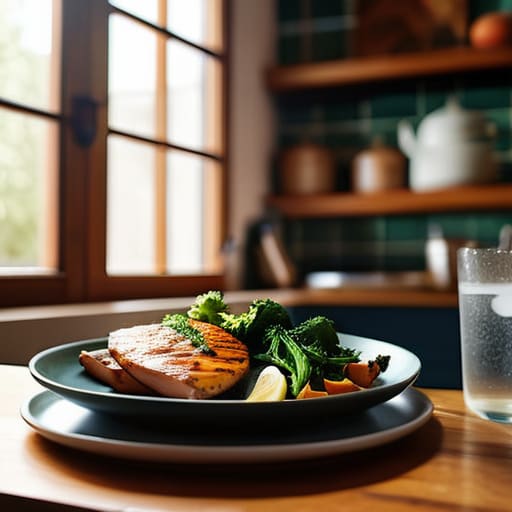
I see it every single week: a lad comes to me on a Tuesday morning looking like he’s been dragged through a hedge backwards, and he tells me he “missed his window” for protein because he didn’t have a shake within thirty minutes of the final whistle. It’s nonsense. This idea of a strict, magical muscle protein synthesis window that slams shut if you don’t ingest amino acids immediately is one of the most persistent bits of rubbish in modern sports science. While getting nutrients in sooner is always better, the body doesn’t have a stopwatch, and it certainly doesn’t stop repairing itself just because you took an hour to drive home and have a proper meal.
If you’re obsessing over the exact minute you consume a protein bar, you’re wasting energy that should be spent on recovery. What actually matters is your total intake over the next twenty-four hours and your post-workout meal timing in relation to your next training session. Stop panicking about the thirty-minute timer and focus on getting a decent balance of protein and carbohydrates in your system before you go to bed. If you’ve eaten well throughout the day, you aren’t going to lose your progress just because you sat in traffic for forty minutes.
Five Practical Ways to Stop Feeling Like a Bag of Hammers by Tuesday
- Don’t wait until you’re sitting on the sofa three hours later to eat. Your body is a sponge right after the final whistle; if you don’t get some carbohydrates and protein into your system within that first hour, you’re just making the recovery process twice as hard as it needs to be.
- Hydration isn’t just about drinking a pint of water and calling it a day. If you’ve been sweating through your kit for ninety minutes, you’ve lost salts, not just water. If you don’t replace those electrolytes, you’ll be staring at the ceiling at 3:00 AM with a headache that feels like a tactical error.
- Stop treating your post-match meal like an excuse to eat everything in the fridge. I’m not saying you can’t have a burger, but if you load up on nothing but heavy fats and fried grease immediately after the game, you’re going to slow down digestion and feel sluggish rather than fueled.
- Think about your next session when you’re planning your post-match meal. If you have training on Tuesday, your Sunday dinner needs to be about longevity. If you’re just eating for the immediate “reward” of finishing a game, you’re setting yourself up for a miserable, heavy-legged session forty-eight hours later.
- Monitor how you actually feel, not just what a textbook says. If you eat a specific type of meal and find yourself feeling bloated or lethargic during your Sunday morning jog, take note. Every player’s gut handles fuel differently, and half the “expert” advice ignores the fact that your stomach is as much a part of your performance as your lungs.
The Bottom Line: Don't Overcomplicate the Recovery
Stop waiting for a “magic window” to eat; if you’ve just spent ninety minutes running yourself ragged, your body needs fuel now, not in three hours when you’ve finally settled on the sofa.
Prioritise carbohydrates over fancy supplements; you can’t rebuild your energy stores with protein shakes alone, so get some proper, real-world fuel back into your system to stop that Tuesday morning slump.
Listen to your body, not a spreadsheet; if you feel like you’ve been hit by a bus, it’s usually because you neglected your post-match meal, so treat your recovery with the same discipline you treat your training.
Getting It Right Before the Whistle Blows
Look, I’m not asking you to become a laboratory scientist or start weighing your blueberries on a digital scale. I’m telling you to stop treating your body like a bin after ninety minutes of hard graft. We’ve covered the essentials: get your carbohydrates back in to refill those empty glycogen tanks, and don’t obsess over a thirty-minute window as if your muscles will vanish if you don’t eat a protein shake the second the referee blows his whistle. The reality is that consistency beats perfection every single time. If you focus on getting a decent, balanced meal in your system and staying hydrated, you’ve already done more than half the players I see on Sunday mornings who try to run on nothing but a packet of crisps and a prayer.
At the end of the day, nutrition isn’t about chasing some magical supplement that turns you into a pro; it’s about respecting the work you put in. You spent all week training, you spent ninety minutes battling on the pitch, and the least you can do is give your body the tools it needs to rebuild. Don’t let a poor decision on a Sunday afternoon turn into a sluggish, injury-prone Tuesday session. Treat your recovery with the same discipline you bring to your passing drills, and your body will thank you when the game is on the line in the final ten minutes. Now, go get something decent to eat.
Frequently Asked Questions
I’ve had a massive meal right after the whistle, but I still feel completely drained by Tuesday's session—what am I doing wrong?
One massive meal isn’t a magic wand, and it certainly isn’t a substitute for what you do in the twenty-four hours that follow. If you’re eating a mountain of pasta on Sunday night and then nothing but toast and coffee on Monday, you’re starving your recovery. You need to spread that fuel out. Think of it as a slow drip, not a flash flood. If you don’t keep the quality intake steady through Monday, you’ll always be playing on empty by Tuesday.
Do I really need to worry about expensive supplements, or can I get everything I need from a standard supermarket meal?
Look, if you’ve got a supermarket down the road and a bit of common sense, you don’t need to be spending your wages on neon-coloured powders and fancy tubs. Most of those supplements are just expensive ways to complicate a simple problem. A decent portion of chicken, some pasta, and a bit of fruit will do more for you than any “pro-grade” shake. If you can’t fuel yourself with real food, a pill isn’t going to save you.
How much does hydration actually matter if I'm not feeling particularly thirsty after a heavy game?
Listen, thirst is a lagging indicator. By the time your brain is screaming for a drink, you’ve already lost the battle. If you wait until you’re thirsty, you’re already playing at 80% capacity. I’ve seen too many lads finish a heavy game, feel “fine,” and then spend the next forty-eight hours feeling like they’ve been hit by a bus. If you haven’t lost weight in fluid, you’re doing alright, but don’t play guessing games with your recovery.
