I’ve sat in too many damp changing rooms, watching fifteen-year-olds stare at their laces in a silence so heavy you could trip over it. You’ve been there, haven’t you? That hollow feeling in your gut when the final whistle blows and you realize you aren’t just managing a tactical failure, but a collective collapse of spirit. Most of the “experts” online will tell you to sit them down for a “psychological debrief” or dive into a data-driven analysis of their expected goals. Give me a break. When you are figuring out how to coach after a heavy defeat, you don’t need a spreadsheet or a lecture on mental resilience; you need to know how to stop your players from walking off the pitch feeling like they’ve lost their identity.
I’m not going to give you any of that polished, theoretical nonsense that only works in a climate-controlled academy. I’m going to tell you what actually works when the mud is freezing and the confidence is even lower. We are going to skip the fluff and focus on the practical steps to rebuild their heads and their habits without making them feel like they’re under a microscope. I’ll show you how to turn that post-match hangover into a foundation that actually holds, because if you can’t handle a thrashing, you’ll never handle the wins.
Post Game Psychological Recovery When the Dressing Room Goes Silent
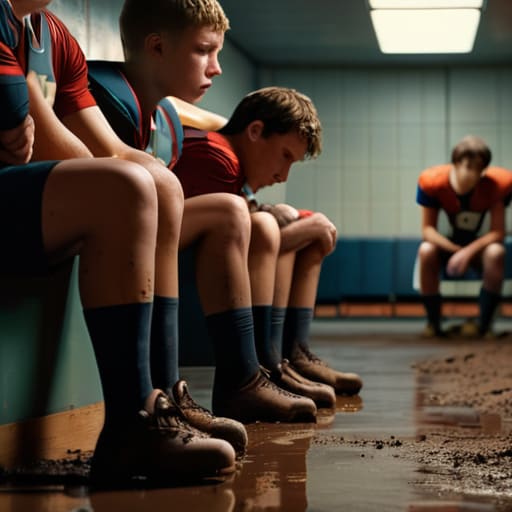
When that silence hits the dressing room, it isn’t just quiet; it’s heavy. You can feel it in your teeth. Most young coaches make the mistake of trying to fill that void with a lecture, thinking they can shout over the shame to fix it. That is a mistake. If your players are staring at their boots, they aren’t listening to your tactical analysis of why the midfield collapsed in the 60th minute. They are stuck in their own heads. Real post-game psychological recovery doesn’t start with a whiteboard; it starts with acknowledging the mood without making it a funeral.
You need to master the art of reading the room before you even open your mouth. If the silence is angry, give them ten minutes of space. If it’s defeated, give them a moment of solidarity. My approach to restoring team confidence isn’t about empty platitudes or telling them they “played well enough.” It’s about being the steady hand. You don’t need to fix their broken spirits in the shower, but you do need to ensure they don’t leave the building believing that this one result defines who they are as players.
Restoring Team Confidence Without Using Empty Platitudes
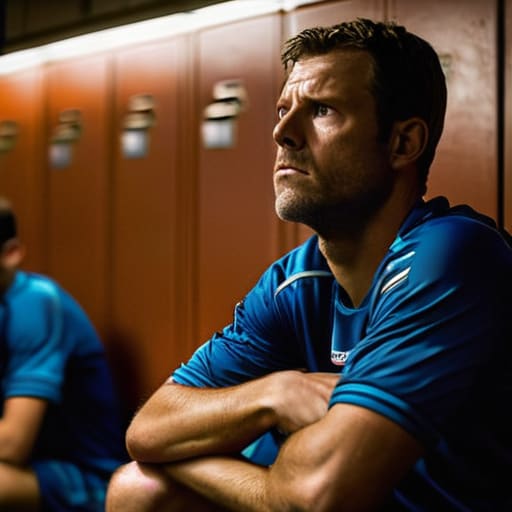
The quickest way to lose a squad is to stand in front of them and say, “Don’t worry, we’ll get them next week.” They know you’re lying, and they know you don’t believe it either. If you want to focus on restoring team confidence, you have to stop treating them like they’re made of glass. When you feed them empty sunshine, you aren’t helping; you’re just patronizing them. They felt the sting of that defeat just as much as you did, and they don’t need a pep talk that ignores the reality of the scoreboard.
Instead of the usual fluff, try a bit of radical honesty. Pinpoint one specific, technical thing that actually worked—maybe it was a transition in the middle third or a particular player’s positioning—and anchor the conversation there. This isn’t about ignoring the loss; it’s about building team resilience after loss by proving that the foundation isn’t actually broken. You aren’t looking for a miracle; you’re looking for the small, repeatable truths that show them they haven’t forgotten how to play the game.
Five Ways to Get Them Moving Again Without Chasing Ghosts
- Stop obsessing over the scoreboard and start looking at the ‘why’. If you spent the whole drive home shouting about the three goals you conceded, you’ve already lost them. Instead, pick one specific, repeatable error—like losing shape when the opposition transitions—and make that the only thing you talk about. You can’t fix a broken spirit by trying to fix a broken game; fix one small, tangible thing, and the confidence will follow the competence.
- Use the next training session to strip the game back to basics. After a heavy loss, players often feel like they’ve forgotten how to play. Don’t go straight into complex tactical patterns or high-intensity pressing drills. Give them something they can actually win at. A simple possession game or a technical circuit where they can feel the ball correctly helps clear the mental cobwebs and reminds them that they actually have the skill to compete.
- Separate the individual from the result. I’ve seen too many coaches walk into a session and treat the whole squad like they’re all equally to blame for a striker’s missed sitter or a defender’s lapse in concentration. If you do that, your good players will start playing scared. Identify the players who actually did their jobs and acknowledge it. You need to protect the ones who were working hard in a losing cause, or they’ll stop working hard altogether.
- Keep the physical load purposeful, not punitive. There is an old-school tendency to make players run laps because they lost a match. It’s nonsense. Running them into the ground doesn’t teach them how to defend a corner; it just makes them resent you. If they’re mentally drained, they need structured, high-repetition work that builds muscle memory, not a cross-country run that leaves them too tired to focus on the actual football.
- Watch their body language during the warm-up. This is where you’ll see the truth. Are they looking at the ground, or are they looking at each other? If the energy is dead, don’t try to force a “rah-rah” atmosphere with fake enthusiasm—they’ll see right through it. Instead, set a standard of intensity that is achievable. Give them a small, competitive task with a clear winner and loser. You need to reintroduce the element of winning, even if it’s just a game of keep-away, to remind them what it feels like to succeed.
The Essentials for Moving Forward
Stop searching for “why” the moment the whistle blows; save the tactical autopsy for Tuesday’s session when the emotions aren’t still raw and the players aren’t looking for someone to blame.
Focus on the small, tangible wins—a single well-timed tackle or a bit of clever movement—to prove to them that their training hasn’t completely vanished just because the result was rubbish.
Keep your own standards steady; if you start looking defeated on the touchline, they’ll realize the ship is sinking, so show them that a bad result is just a data point, not a death sentence.
The Long Game
At the end of the day, coaching through a collapse isn’t about finding some magic phrase to fix a broken spirit or presenting a tactical spreadsheet that magically solves a lack of confidence. It’s about managing the silence in the changing room, avoiding the trap of empty promises, and ensuring that your players know you are looking at the process, not just the scoreboard. You have to bridge the gap between the disappointment they feel and the work that still needs doing. If you focus too much on the result, you’ll lose them; if you focus too much on the mistakes, you’ll break them. The goal is to find that middle ground where you acknowledge the sting of the loss without letting it define the team’s identity.
I’ve stood on plenty of freezing sidelines watching teams crumble, and I’ve seen them rise again just as quickly. The difference between a club that stays down and one that keeps climbing isn’t talent—it’s how the person in charge handles the aftermath. Don’t expect a miracle by Tuesday morning, and don’t expect your players to be heroes overnight. Just keep showing up, keep the drills practical, and keep your standards high. Football is a game of long cycles, and a heavy defeat is just one muddy chapter in a very long book. Get back to the training pitch, do the work, and let the results take care of themselves.
Frequently Asked Questions
When do I actually sit them down to talk about the tactical mistakes, and how do I stop it from turning into a blame game?
Wait until the adrenaline has bled out and the sting has dulled. If you try to dissect a tactical error while they’re still breathing hard and feeling humiliated, you aren’t coaching—you’re just adding fuel to the fire.
How do I handle the one player who’s clearly taking the defeat personally and is starting to shut down or lash out?
Look, we’ve all seen it. That one player who’s either sulking in the corner or looking for someone to blame. It’s usually the one who cares the most, which is why it hurts. Don’t corner them in front of the group; that’s just asking for a blow-up. Pull them aside when the noise has died down. Don’t talk about the score; talk about their specific actions. Turn that frustration back into a task they can actually control.
If we’ve lost our rhythm and the players are looking terrified of making a mistake, how do I get them to actually play their game again in training?
Stop the tactical lectures. If they’re playing scared, it’s because they’ve forgotten how to fail without feeling like the world is ending. In your next session, scrap the complex patterns and get them playing small-sided games with zero restrictions. No “playing out from the back” rules, no rigid positioning. Just let them play. You need to reward the brave, wrong decision over the safe, timid one. Give them permission to mess up again.
