I spent twenty years watching coaches walk onto a pitch with a clipboard and a fancy tactical board, acting as if knowing the names of the roles was the same as understanding them. They’ll give you a lecture on “zonal marking” or “inverted wingers,” but they never bother explaining the actual physical and mental tax of those roles. If you think you understand what each position on the pitch does simply because you’ve memorized a formation on a whiteboard, you’re in for a rude awakening when your midfielder starts looking at the grass by the sixty-fifth minute. A position isn’t just a spot on a diagram; it is a set of demands that can break a player if they aren’t prepared for the reality of the job.
I’m not here to feed you the glossy, high-definition nonsense you see on TV. I’m going to tell you what these roles look like when the pitch is heavy, the wind is biting, and your players are running on fumes. We are going to strip away the jargon and look at the actual, gritty requirements of every player from the keeper to the striker. My promise is simple: I will tell you what these roles truly require so you can stop coaching shadows and start building a team that actually holds together.
Goalkeeper Duties and Skills the Loneliest Job in the Rain
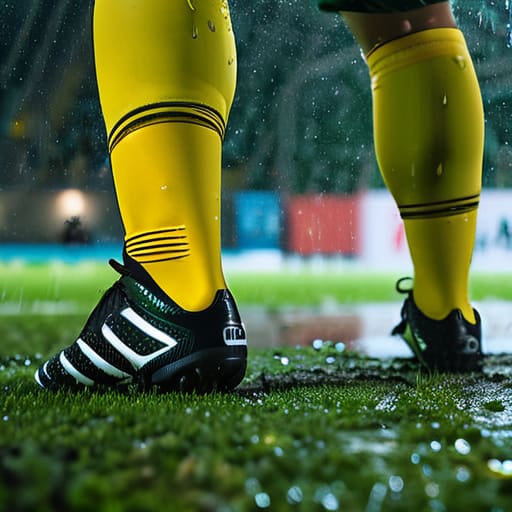
Now, let’s talk about the person standing in the mud while everyone else is enjoying the ball. Most people think goalkeeper duties and skills are just about having decent reflexes or being able to dive into a puddle without complaining. That’s a surface-level view, and it’s wrong. A goalkeeper is the only player on the pitch who sees the game in its entirety, not through the tunnel vision of a midfielder chasing a lost cause. If they aren’t organizing the line, they aren’t doing their job.
I’ve seen too many young keepers who think they can just sit on their line and wait for a shot. If you aren’t shouting instructions to your center-backs, you’re effectively a spectator with a different colored shirt. You need to be the one telling the full-back to tuck in or warning the defensive midfielder about a runner from deep. It isn’t just about the hands; it’s about the mental presence required to command a box when the pressure is mounting. If your keeper is quiet, your entire defensive structure is essentially playing without a brain.
Center Back vs Full Back Roles Knowing Where to Stand

Now, let’s talk about the spine of your defense, because this is where most Sunday League teams lose their heads. When people ask about center back vs full back roles, they often think it’s just about who stands where on a diagram. It isn’t. Your center-backs are your anchors; they are the ones tasked with reading the game before the danger even arrives. If they are constantly chasing shadows because they’ve stepped too far out of line, you’re begging for a goal. They need to be masters of spatial awareness and communication, essentially acting as the voice that keeps the rest of the shape intact.
The full-backs, however, have a much more exhausting job description. While the center-backs hold the fort, the full-backs are often caught in a constant tug-of-war between defending their flank and supporting the attack. It’s a massive physical demand. If your full-back is caught too high up the pitch without a disciplined defensive midfielder responsibilities to cover the gap, you’ll find yourself wide open on the counter-attack. It’s not just about speed; it’s about knowing exactly when to commit and when to hold your ground.
Five Truths About Roles That Your Tactical Board Won't Tell You
- Stop treating your Midfielders like magicians. A central midfielder isn’t there to pull off a Cruyff turn every ten minutes; they are there to be the lungs of the team. If they haven’t mastered the art of being in the right place to receive a scrap of a ball when everyone else is gasping for air, your structure is dead in the water.
- Your Wingers need to understand they aren’t just there to provide “flair.” If they spend ninety minutes hugging the touchline waiting for a cross that never comes, they aren’t playing football—they’re spectating. A winger’s real job is to create space for the overlapping full-back, not just to show off a bit of step-over work.
- The Attacking Midfielder is the most misunderstood role in the grassroots game. It isn’t about being the “star”; it’s about the discipline of the transition. If they don’t drop back to help the pivot when you lose possession, they are essentially leaving your defense to fight a war without any backup.
- Don’t get caught up in the “Number 9” hype. A striker’s job isn’t just scoring goals—it’s the work they do when they don’t have the ball. If your striker isn’t pinning the opposition center-backs back to create a pocket of space for your midfielders, they are making life unnecessarily difficult for everyone else.
- Position is about responsibility, not just a spot on a diagram. I’ve seen players who know exactly where they should stand, but have no clue what they should be doing when the ball moves. If your players don’t understand that a position is a set of tasks rather than a coordinate on a pitch, you’re just coaching shadows.
The Bottom Line: What Actually Matters When the Whistle Blows
Stop obsessing over tactical labels and start looking at the physical reality; a player’s position is defined more by the space they cover and the fatigue they endure than by what’s written on a chalkboard.
Roles are not static; if your full-back doesn’t understand when to abandon their post to support the attack, or your center-back doesn’t know when to hold the line, your entire formation is just a suggestion.
Success isn’t about having the “perfect” system, it’s about ensuring every player understands the specific, heavy lifting their role requires when the game gets messy and the energy runs low.
The Reality of the Pitch
At the end of the day, you can memorize every tactical diagram in the UEFA handbook, but none of it matters if your players don’t understand the physical and mental weight of their specific roles. We’ve looked at the goalkeeper’s isolation, the defensive line’s structural demands, and the engine room’s requirement to bridge the gap between back and front. If your center-back thinks they’re just there to clear the ball, or your winger thinks they can skip their defensive tracking without consequence, your team is essentially playing with a hole in its heart. A formation isn’t just a collection of shapes on a whiteboard; it is a set of unspoken promises that every player makes to the person standing next to them.
Don’t get caught up in the madness of trying to turn every kid into a mini-professional playing for a Premier League academy. Instead, focus on teaching them that their position is about responsibility and reliability. Whether they are the one making the last-ditch tackle in a muddy car park or the one providing the final pass under pressure, they need to know why they are standing there in the first place. If you can teach a player to respect the demands of their role when the legs go heavy and the rain starts coming down, you aren’t just coaching football—you’re building players who can actually finish a game.
Frequently Asked Questions
If my full-backs are constantly overlapping, how do I stop my center-backs from getting caught in a permanent one-on-one situation?
You’re essentially leaving your center-backs out to dry. If your full-backs are constantly charging forward, you can’t expect your center-backs to defend the entire width of the pitch alone. You either need your defensive midfielders to drop into those vacated channels to plug the holes, or you need to teach your center-backs how to “slide” across as a unit. If one moves out to cover the flank, the other must tuck in centrally. Don’t leave them isolated.
My midfielders are technically gifted, but they're gasping for air by the hour mark—is that a fitness issue or am I asking them to cover too much ground?
Stop looking at their lungs and start looking at your shape. If they’re gasping, they’re likely chasing the game instead of playing it. Before you put them on a treadmill, ask yourself: are your wide players tucking in, or are your midfielders being forced to cover the entire width of the pitch because your flanks are empty? If they’re running aimlessly to fix structural holes, no amount of conditioning will save them. Fix the spacing, then check their diet.
When do I stop teaching my wingers to just hug the touchline and start asking them to tuck inside to help the midfield?
You stop when you realize your midfield is getting overrun like a Sunday league side in a cup final. If your wingers are just hugging the chalk while your central midfielders are gasping for air, you’ve got a problem. Don’t do it because a textbook says so; do it when you see your team losing the battle for the second ball. If they aren’t tucking in to support the shape, you aren’t playing football—you’re just playing with wide ornaments.
