I’ve spent enough Sunday mornings standing on waterlogged touchlines to know that most of the “expert” tactical analysis you see on television is absolute rubbish when it comes to the actual grit of the game. They’ll show you these pristine, color-coded diagrams on a screen, but they never show you the chaos of a crowded six-yard box where nobody can see the ball and everyone is breathing down each other’s necks. If you’re looking for a way to learn how to defend set pieces by memorizing complex geometric patterns, you’re wasting your time. In reality, a corner isn’t a math problem; it’s a physical battle of wills, and if your players haven’t got the right mindset, all the fancy positioning in the world won’t stop them from getting bullied.
I’m not here to sell you on some revolutionary new system that requires a PhD to understand. What I’m going to give you is the unvarnished truth about what actually works when the pressure is on and the rain is lashing down. I’ll show you how to organize a line that doesn’t crumble, how to assign roles that make sense for the players you actually have, and why communication is more important than any tactical chalkboard. We’re going to focus on the principles that survive the mud and the madness.
Why Defensive Organization in Football Fails Under Pressure

The reason most teams crumble during a corner isn’t because they lack talent; it’s because they lack a plan that survives the first contact. I’ve stood on dozens of sidelines watching perfectly good sides lose their heads the moment the ball leaves the kicker’s foot. They spend all week talking about defensive organization in football in a calm, quiet training session, but the second a heavy ball is whipped into the six-yard box with three opposition players screaming in their faces, that organization evaporates. It turns into a frantic, uncoordinated scramble where everyone is looking at the ball and nobody is looking at the man they’re supposed to be tracking.
The failure usually stems from a lack of clarity in your marking schemes in soccer. You can’t expect a teenager to remember a complex zonal system while they’re being bumped and shoved by a center-back twice their size. Most coaches make the mistake of being too cerebral. If your players don’t have a clear, instinctive understanding of their role—whether they are attacking the ball or guarding a space—they will hesitate. And in a crowded box, hesitation is exactly what the opposition is praying for.
Mastering Marking Schemes in Soccer Without Losing Your Head
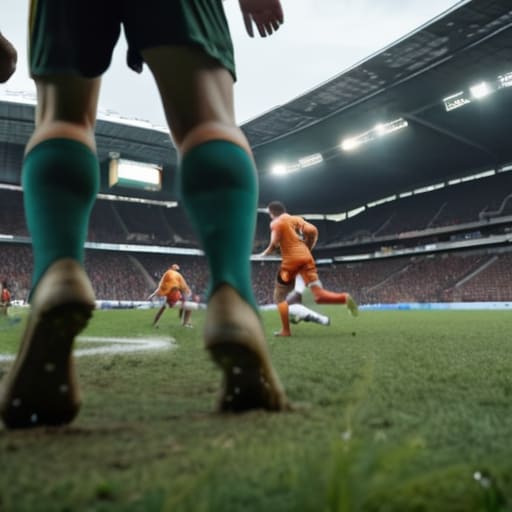
Now, let’s talk about the actual mechanics of marking schemes in soccer, because this is where most Sunday league sides—and frankly, some decent semi-pro outfits—fall apart. You’ll hear pundits prattle on about ‘zonal vs. man-to-man’ as if it’s a choice between fine wine and lager. In reality, it’s about whether your players know who they are responsible for when the ball is in flight. If you go man-to-man, you’ve better ensure your players aren’t being dragged into the corner of the six-yard box, leaving a gaping hole in the middle. If you go zonal, you need to make sure they aren’t just standing there like statues waiting for something to happen.
The secret to improving your aerial duel success rate isn’t just about finding the tallest lad in the squad; it’s about the movement before the contact. I’ve seen countless teams fail at tactical set piece defending because they focus on the ball and forget the runner. You can have the best defensive organization in football, but if your players aren’t anticipating the secondary movement, you’re going to get caught. You need players who don’t just jump, but who actively seek to disrupt the space.
Five Hard Truths to Stop the Bleeding When the Ball Goes Up
- Stop relying on ‘zonal’ magic. If you’re playing a zone, every player needs to know exactly which patch of grass is theirs and, more importantly, who they are handing off to when an opponent drifts into the gap. If there’s a moment of hesitation where two players look at each other wondering who takes the man, you’ve already conceded.
- Assign a ‘screamer’ to the near post. I don’t care how tall they are; I want someone whose only job is to stand there and throw their body in front of anything that comes flying in low. You can survive a header lost in the crowd, but you won’t survive a deflected shot that skids off the turf because nobody was there to block the line.
- The ‘Second Ball’ is where the real damage happens. Most teams spend all their energy fighting for the initial header and then stand there like statues watching the ball drop. I tell my players: if you aren’t the one heading it, you better be sprinting to where it’s landing. The goal isn’t just to clear the first ball; it’s to prevent the inevitable scramble that follows.
- Communication isn’t just shouting; it’s directing. If your goalkeeper is standing there silent while your defenders are bickering, you’re in trouble. I want to hear a clear, loud command—’Away!’, ‘Man on!’, or ‘Hold!’—before the ball even reaches the box. If the noise stops, the discipline usually follows right behind it.
- Check your players’ readiness, not just their position. I’ve seen plenty of lads lined up perfectly in a wall, only to realize they spent the last thirty seconds adjusting their socks instead of watching the kicker’s eyes. If they aren’t locked in and physically prepared to jump or sprint the moment the foot hits the ball, your tactical shape is just a pretty drawing on a whiteboard.
The Three Things That Actually Matter When the Ball Goes Inflight
Stop obsessing over the perfect zone or man-marking system if your players aren’t communicating; a mediocre system with loud, organized players will beat a sophisticated scheme where everyone is standing in silence.
It isn’t just about winning the first header—it’s about the second and third; you haven’t defended the set piece until your players have reacted to the chaos of the clearance and regained their shape.
Physicality is non-negotiable, but don’t just tell your players to ‘get stuck in’; teach them how to use their body positioning to shield their space so they aren’t just getting bullied by a bigger opponent.
Getting It Right When the Pressure Is On
At the end of the day, defending a set piece isn’t about having a PhD in tactical geometry or a whiteboard full of complex arrows. It’s about the basics: knowing your man, holding your ground, and—most importantly—communicating through the noise. If you’ve sorted your marking scheme and you’ve given your players a clear structure to fall back on, you’ve already beaten half the teams in your league. You don’t need a miracle to stop a corner; you just need to ensure that when the ball leaves the kicker’s foot, every single one of your players knows exactly where they are supposed to be and who they are responsible for.
Don’t go away from your next training session thinking you need to invent some revolutionary new system that the pundits on TV are talking about. Most of that is just noise. Focus on the grit, the discipline, and the mental toughness required to stay focused when your lungs are burning and the crowd is screaming. If you can teach your players to stay organized when they are tired and frustrated, you will win games that you have no business winning. Now, stop reading about it, get down to the pitch, and make them practice it until it becomes second nature.
Frequently Asked Questions
What do I do when my players are physically smaller than the opposition and keep getting bullied in the six-yard box?
If you’re being outmuscled, stop trying to win the wrestling match. You won’t. If you try to play body-to-body against a lad who’s six inches taller and twenty pounds heavier, he’ll pin you to the turf every time. Instead, teach them to win the space before the ball arrives. It’s about anticipation and positioning. If they can get their feet set and their body between the man and the ball, they don’t need to be giants; they just need to be smarter.
How do I stop my team from losing their shape and "ball-watching" the moment the ball is swung into the area?
The problem isn’t your players’ eyes; it’s their focus. When that ball goes up, they stop playing the game and start watching a movie. You have to teach them that the ball is only half the story. I tell my lot: “If you’re looking at the ball, you’ve already lost your man.” They need to learn to feel where their opponent is. If they aren’t checking their shoulder every two seconds, they’re just spectators.
Is it better to stick with man-marking or try that zonal stuff everyone talks about when the pressure is actually on?
Look, I’ve seen enough Sunday League meltdowns to know that “zonal” is often just a fancy word for “standing around looking lost.” When the pressure is on and the crowd is screaming, your players don’t need a geometry lesson; they need a job. If they’re young or lacking discipline, stick to man-marking. It’s simple: find a body, stay attached. You can layer in the zonal cleverness once they actually know how to communicate.
