I remember a freezing Tuesday in November, standing on a pitch that was more puddle than grass, watching a lad go down with a twisted ankle that sounded far too much like a dry branch snapping. In that moment, I wasn’t thinking about tactical shapes or high-pressing triggers; I was thinking about whether our club’s paperwork was actually going to hold up when the parents started asking questions. Most people will try to sell you a “complete guide to football insurance” filled with fifty pages of corporate jargon that even a lawyer would struggle to digest. They make it sound like you need a degree in finance just to protect a group of teenagers playing on a Sunday morning, but that’s nonsense designed to pad out their brochures.
I’m not here to give you a lecture on fine print or sell you a policy you don’t need. I’m going to give you the straight truth about what actually matters when the contact gets heavy and the stakes get real. This is my own no-nonsense breakdown of what you need to cover, what you can ignore, and how to ensure your club isn’t left standing alone when things go sideways. We’ll skip the fluff and get straight to the practical realities of keeping your players and your club safe.
Why Public Liability for Sports Clubs Isnt Optional
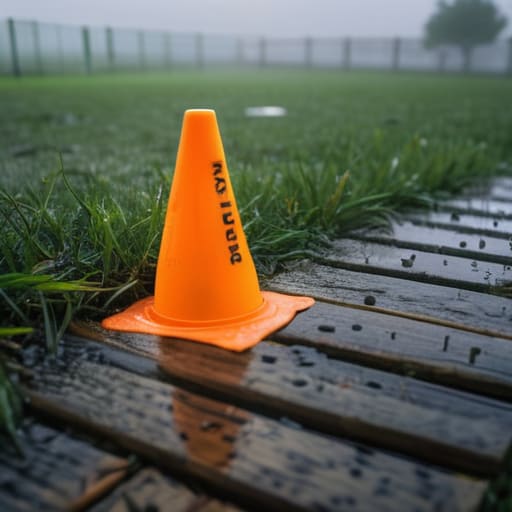
Look, I’ve seen it happen a dozen times. A parent trips over a stray cone during a rainy Tuesday training session, or a spectator leans too heavily on a makeshift barrier that wasn’t up to code, and suddenly, the club is looking at a legal nightmare. You might think your main concern is a player twisting an ankle, but public liability for sports clubs is about the chaos that happens around the ball. It’s about the third parties—the parents, the visiting coaches, the people who aren’t even playing—who can walk onto your pitch and walk away with a claim.
If you’re running a club on a shoestring budget, the temptation to cut corners is massive. But ignoring football club liability insurance is like playing a high defensive line without any cover; you’re just waiting for a single mistake to ruin your entire season. One slip on a muddy sideline can turn a local grassroots setup into a massive financial headache overnight. It isn’t just paperwork; it’s the only thing standing between your club’s existence and a lawsuit that could bankrupt the committee before the next season even kicks off.
Navigating Amateur Football Insurance Requirements Under Pressure
When you’re standing on a touchline in November, your mind is on the tactical shape or why your winger is playing like he’s got lead in his boots. You aren’t thinking about policy fine print. But the reality is, when a parent asks if their child is covered for a twisted ankle, “I think so” is a dangerous answer. Navigating amateur football insurance requirements isn’t about filling out paperwork for the sake of it; it’s about having a safety net when the inevitable happens. You need to know if your current setup actually provides decent personal accident insurance for players, or if you’re just ticking boxes to satisfy a league official.
The pressure usually hits when things go wrong—a spectator trips over a kit bag or a player goes down hard in a tackle. This is where the distinction between your club’s protection and the individual’s needs becomes vital. If you haven’t looked into specific sports injury coverage for athletes, you might find yourself caught in a gap where the club is protected, but the player is left picking up the pieces. Don’t wait for a crisis to find out your coverage is thinner than a patch of worn-out turf.
Five Things to Check Before You Sign the Paperwork
- Look past the premium and check the ‘Player Injury’ clause. It’s one thing to cover the club if a spectator trips over a water bottle, but it’s quite another when your star striker goes down with a ligament tear halfway through a rainy November session. If your policy doesn’t clearly state how it handles player-specific medical costs, you’re essentially standing on a pitch with no shin guards.
- Don’t assume ‘standard’ covers your specific setup. I’ve seen clubs assume they’re covered for everything, only to find out their policy doesn’t extend to the local park they’ve rented or the specific type of equipment they’re using. If you’re running a training session on a council pitch that’s more crater than grass, make sure your insurer knows exactly where you’re operating.
- Verify the ‘Medical Expenses’ vs ‘Personal Accident’ distinction. People get these confused all the time. One pays for the hospital bill, the other might pay out a lump sum for a permanent injury. In the real world, you need to know which one is actually going to help the family when a kid can’t walk for six months.
- Check your coverage for ‘Volunteer Protection.’ You’re likely running your sessions on passion and a few quid from parents, but if a volunteer coach gets injured while setting up cones, you don’t want the club’s bank account wiped out. Ensure the policy protects the people doing the heavy lifting, not just the entity on the letterhead.
- Read the fine print on ‘Equipment Liability.’ If a goalpost comes loose or a training mannequin snaps and hits someone, you need to know if your insurance treats that as a failure of your equipment or a failure of your maintenance. Don’t wait until a piece of kit fails to find out you’re flying blind.
The Bottom Line Before You Blow the Whistle
Don’t mistake ‘cheap’ for ‘covered’; a policy that only covers the basics won’t mean a thing when a parent sues because a poorly maintained goalpost gave their child a fright.
Public liability isn’t some bit of paperwork for the committee to ignore—it is the only thing standing between your club and a debt that stays with you long after you’ve hung up the whistle.
If you aren’t checking your coverage against the actual reality of your training ground—the uneven ground, the dodgy fences, the wet weather—you aren’t managing a club, you’re just gambling with it.
The Final Whistle on Risk
Look, I’m not an insurance broker, and I’m certainly not here to sell you a policy. But I have seen enough Sunday morning disasters to know that you can’t coach your way out of a legal nightmare. We’ve covered the basics: you need public liability to protect the club when a spectator trips over a kit bag, and you need player insurance because the moment a ligament snaps, the conversation changes from tactics to finances. Don’t treat these documents like a bit of paperwork you can shove in a drawer and forget about. If you aren’t looking at your coverage with the same scrutiny you use when checking the pitch for frozen ground, you are essentially leaving your club’s future to chance.
At the end of the day, we do this because we love the game, not because we enjoy the bureaucracy. We coach because we want to see that kid find their confidence or that teenager master a cross. But you can’t provide a safe environment for growth if the foundation is built on sand. Proper insurance isn’t about being pessimistic; it’s about protecting the sanctity of the game so that when the whistle blows, the only thing you have to worry about is whether your striker is going to miss an open goal. Get the cover sorted, get your ducks in a row, and then get back to the training pitch.
Frequently Asked Questions
If a player gets injured during a training drill I've designed, am I personally liable or is the club's policy enough to cover me?
Look, I’ve seen a drill go sideways more times than I care to admit. If you’re running a session that’s sensible—meaning you aren’t asking ten-year-olds to do sliding tackles on concrete—the club’s public liability should have your back. But if you’ve designed something reckless or ignored a safety issue, that’s a different story. Check your club’s specific policy; you need to know if you’re covered as a volunteer or if you’re standing out there alone.
Does my insurance actually cover the cost of equipment being stolen or damaged, or is it strictly for when people get hurt?
Look, I’ve seen more kit bags left in a damp changing room than I care to count, and I’ve seen more expensive training equipment “disappear” from a car park than is sensible. Standard public liability won’t touch your stolen cones or your smashed goalposts; that’s for when someone trips over them. You need specific equipment or contents cover for that. Don’t assume your policy covers your gear just because it covers your players.
What's the real difference between the basic coverage the league mandates and the extra stuff people say we actually need to stay safe?
Look, the league mandate is your baseline—it’s the bare minimum to keep your registration valid. It covers the big, obvious disasters, but it’s thin. It’s like wearing football boots with no studs; you’ll stay on the pitch, but you’ll slip the moment things get intense. The “extra stuff” covers the real headaches: personal accident for the players themselves or legal help when a parent decides a tackle was actually an assault. Don’t confuse being “covered” with being protected.
