I’ve spent thirty-five years standing on pitches that would make a mountain goat weep, and if there’s one thing I’ve learned, it’s that your shiny, laminated coaching manual is utterly useless when the wind is whipping sideways and the ground has turned into a soup of mud and grit. I see these “influencer” coaches online telling you to invest in high-tech portable heaters or specialized indoor facilities, but let’s be honest: most of you are just trying to figure out how to run a session in bad weather without twelve shivering ten-year-olds turning up ten minutes late because their parents couldn’t find the football boots in the dark. I remember a Tuesday in late November, standing in a deluge so thick I couldn’t see my own whistle, realizing that the plan didn’t matter—only the movement did.
I’m not here to give you a lecture on “contingency management” or some other nonsense you’d find in a textbook. I’m going to tell you which drills actually work when the players are freezing, how to keep the intensity up when the pitch is a swamp, and why you need to stop overcomplicating things the moment the clouds turn grey. This is about practical, grit-under-the-fingernails advice that survives the reality of a cold, wet Tuesday night.
Weatherproofing Equipment for Sessions Before the Clouds Break
You can have the best tactical plan in the world, but it won’t mean a thing if your bibs are sodden sponges and your cones are sliding across a mud bath. I’ve seen too many sessions fall apart because a coach spent ten minutes wrestling with a wet bag of equipment while the kids stood around catching their death. Weatherproofing equipment for sessions isn’t about buying expensive waterproof gear; it’s about common sense. Keep your spare bibs in a heavy-duty plastic tub in the boot of the car, not left in a damp kit bag. If the ground is turning into a swamp, swap the standard cones for something with a bit more weight, or better yet, use flat markers that won’t fly away every time a gust of wind hits.
More importantly, you need to think about participant safety in extreme conditions before the first whistle blows. If you’re running a session in freezing rain, your priority shifts from technical drills to keeping the blood flowing. I always keep a few extra dry towels and a thermos of something warm in the car—not for me, but for the kid who’s clearly starting to shiver. It’s about being prepared for when the conditions turn from “uncomfortable” to “unmanageable.”
Managing Group Dynamics in Rain When Morale Starts Sinking
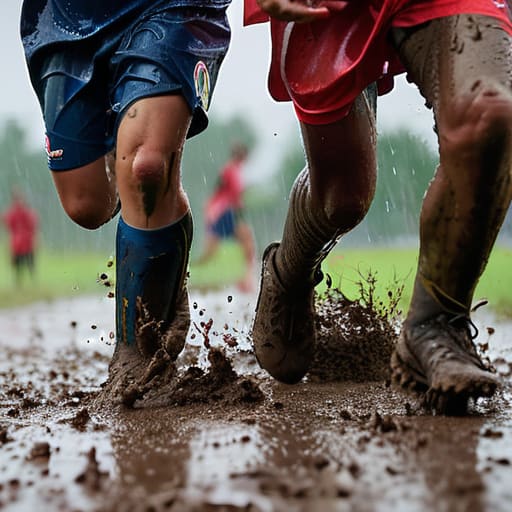
When the clouds open and the temperature drops, you’ll notice the mood shift before the first player even complains. It starts with the slumped shoulders and the quiet ones looking at the clubhouse. You can’t coach your way out of a miserable atmosphere with a lecture on tactical positioning; if the kids are shivering, they aren’t learning. Managing group dynamics in rain isn’t about being a cheerleader; it’s about keeping the intensity high enough that they forget they’re wet. I’ve learned that the moment you let the session turn into a slow, lethargic slog, you’ve lost them. Keep the drills short, keep the rest periods minimal, and for heaven’s sake, stop standing there with your hands in your pockets while they wait in a line.
You also have to watch the older ones. The twelve-year-olds might moan, but the sixteen-year-olds will start testing your authority, seeing if they can get away with half-effort because the conditions are rubbish. This is where your seasonal activity adjustments matter most. Instead of fighting the weather, lean into it. If the pitch is a swamp, stop trying to play pretty, possession-based football that requires perfect touch. Switch to high-energy, high-contact drills that embrace the chaos. If you try to force a textbook session when the ground is turning to porridge, you aren’t just fighting the elements—you’re fighting a losing battle against their will to participate.
Five ways to stop a wet session from becoming a total washout
- Shorten the lines and tighten the spaces. When it’s freezing, if you have twelve kids standing in a queue waiting to take a shot, you’ve lost them. They’ll stop listening and start shivering. Keep the drills compact so they are constantly moving and constantly engaged with the ball. Movement is the only thing that keeps the blood pumping.
- Ditch the complex tactical talk. You can try to explain a sophisticated positional rotation in a sunny park, but in a downpour, nobody is processing subtext. Keep your instructions to one or two sentences. If they can’t hear you over the wind, they aren’t learning. Use visual cues and get them playing.
- Accept that the “perfect” drill is dead. If you planned a session based on a specific pattern of play that requires a dry, flat surface, forget it. The pitch is going to be heavy and the ball is going to bobble. Pivot to drills that focus on close control and quick decision-making in tight quarters. If the pitch is a swamp, play small-sided games, not long-range passing drills.
- Manage the “energy dip” before it happens. There is a specific moment in a wet session where you can see the shoulders slump and the eyes glaze over. When you see it, change the stimulus immediately. Switch from a technical drill to a high-intensity game. You have to outrun their boredom before the cold sets in.
- Plan for the exit. A session in the rain shouldn’t end with a fifteen-minute lecture on what went wrong. If the weather is miserable, they want to get to the warmth. Wrap up the technical work five minutes early, finish with a quick, fun game, and get them home. You want them thinking about the goal they scored, not the mud they’re standing in.
The bottom line for when the heavens open
Stop trying to run a full-scale tactical session when the pitch is a swamp; switch to tight, high-intensity drills in small spaces to keep them moving and warm.
If you lose control of the group’s energy because they’re shivering and miserable, you’ve lost the session—prioritise keeping the tempo high over perfect technical execution.
Prepare for the reality of the elements by having a ‘Plan B’ that requires minimal equipment and zero fancy setups, because you won’t be able to find a flat surface once the rain starts.
The Final Whistle
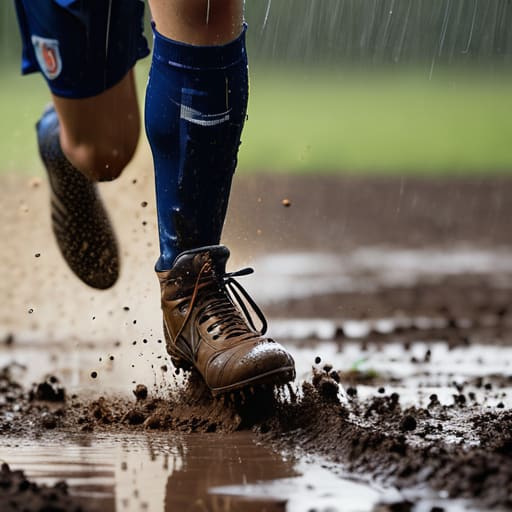
At the end of the day, running a session in the driving rain isn’t about having the most sophisticated tactical periodisation plan or a bag full of high-tech cones that won’t blow away. It’s about practicality over perfection. You keep the equipment dry, you keep the drills tight so nobody is standing around catching pneumonia, and you keep their spirits up when the wind starts biting. If you spend the whole hour worrying about whether the session looks like a professional academy’s training montage, you’ve already lost. Focus on keeping them moving and keeping the intensity high enough that they forget they’re soaked to the bone.
I’ve stood on plenty of pitches where the mud was up to my ankles and the kids looked ready to cry. But I’ve also seen that same group of players come out of a session like that with a grit you just can’t teach in a sunny, manicured facility. There is a certain kind of character that gets forged when the conditions are rubbish and the football is messy. Don’t look at a wet Tuesday as a wasted hour; look at it as an opportunity to build mental toughness that will serve them long after they’ve stopped playing the game. Now, get your kit ready and get out there.
Frequently Asked Questions
What do I do when the pitch is so waterlogged that every drill turns into a mud-wrestling match?
Stop trying to play beautiful football. If the pitch is a swamp, forget the long-range passing drills and the intricate rondos; you’ll just end up with a bunch of kids sliding into the mud and losing interest. Switch to high-intensity, short-burst movements. Think tight-space technical work or small-sided games with heavy emphasis on strength and shielding. If they can’t pass it through the muck, make them fight for the ball in the trenches.
How do I handle the parents who start complaining about the cold or the conditions halfway through the session?
Look, I’ve seen it a thousand times. You’re mid-drill, the wind picks up, and suddenly there’s a chorus of sighs from the sidelines. Don’t let them pull you into a debate about the dew point. If they start grumbling, don’t get defensive; just keep the intensity up. A high-tempo session keeps the kids warm and the parents quiet. If they’re still making a fuss, remind them that the best players aren’t made in the sunshine.
If the kids are too cold to focus on technical drills, should I scrap the plan and just do a high-intensity game instead?
Don’t just scrap the plan and dive into a game; that’s how you end up with a chaotic mess of kids sliding into each other because they haven’t warmed up their brains. If they’re shivering, they aren’t learning. Instead, pivot to high-intensity, small-sided drills in a tight space. Keep the reps short and the movement constant. Get the blood pumping first, then see if they can actually find their focus again.
