I’ve spent thirty-five years standing on touchlines where the wind bites through your coat and the ground is more mud than grass, and if there’s one thing I’ve learned, it’s that a £250 pair of “speed boots” won’t magically fix a player who can’t find their footing. I see it every Sunday: a lad turns up in the latest neon-coloured, carbon-plated miracle, only to spend the first twenty minutes sliding sideways because he’s picked the wrong stud pattern for a waterlogged pitch. Most of the nonsense you read online is just marketing fluff designed to empty your pockets, but if you’re looking for a complete guide to buying football boots that actually respects your bank balance and your playing style, you’re in the right place.
I’m not here to talk about “aerodynamic textures” or whatever buzzword the manufacturers are using this week to justify a price hike. I’m going to tell you what actually matters when you’re eighty minutes into a match and your feet feel like they’re made of lead. We’re going to strip away the hype and focus on the uncomfortable truths—the grip, the durability, and the fit—that determine whether you’re controlling the game or just fighting your own equipment.
Leather vs Synthetic Football Boots Durability Over Marketing
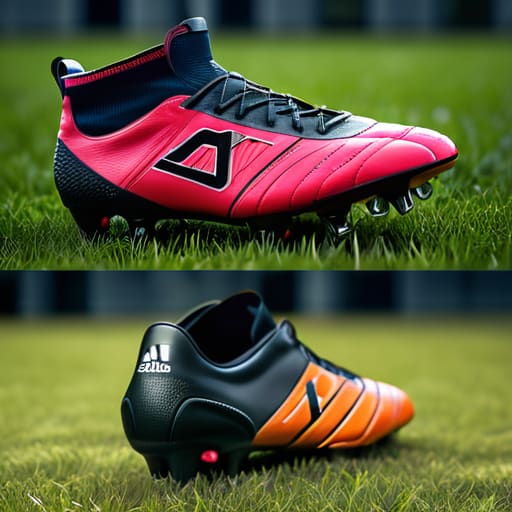
Now, let’s get into the real debate that gets people stuck in the shop for forty minutes: leather vs synthetic football boots. I’ve seen plenty of young lads walk into a session with these ultra-light, neon-colored synthetic beauties that look like they belong in a sci-fi film. They’re light, sure, but they have the soul of a plastic bucket. Once they lose their shape or the upper starts peeling after three months of heavy tackles, you’re left with nothing. If you’re playing on those heavy, mud-clogged pitches on a Sunday morning, a proper leather boot is still king. It molds to your foot, providing a level of natural touch that no laboratory-grown polymer can quite replicate.
That said, don’t go buying old-school heavy leather just because I said so. If you’re playing on 3G surfaces, you need to be looking at the best boots for artificial grass specifically, as traditional studs can wreak havoc on your knees. Synthetics are better for maintaining a consistent shape and, more importantly, they don’t soak up water like a sponge. My rule of thumb? If you want a boot that feels like an extension of your foot from day one, go synthetic; if you want a boot that grows with you through the season, invest in quality leather.
Football Boot Sizing Guide Avoiding the Blister Trap

Now, let’s talk about the most common way I see young players ruin a perfectly good season before it’s even started: buying boots that are a fraction too small because they look “sleek.” I’ve seen enough teenagers wince on the touchline to know that a tight fit isn’t a sign of performance; it’s a recipe for disaster. When you’re looking at a football boot sizing guide, don’t just look at the number on the box. You need to account for the reality of a match. You need enough room for your toes to move, but not so much that your foot is sliding around like a pebble in a tin can. If there’s a gap at the heel, you’re asking for blisters that will have you limping by the second half.
This becomes even more critical when you’re breaking in new football boots. If you’ve opted for leather, they’ll stretch and mould to your foot shape over a few sessions. Synthetics, however, are far more stubborn. If a synthetic boot feels “just okay” in the shop, it’s going to feel like a torture device by the time you’re eighty minutes into a wet Tuesday night training session. Measure your feet properly—and I mean actually measuring them, not just guessing based on your trainers—and always leave that tiny bit of breathing room.
Five Rules for When You’re Standing in the Shop
- Test them on a surface that isn’t a polished showroom floor. If you can, find a patch of grass or even just walk the length of the shop. A boot that feels like a second skin on a carpeted floor will feel like a wooden clog once you’re trying to change direction on a damp Sunday morning pitch.
- Ignore the ‘speed boot’ label. The marketing blurb will tell you these are for the fastest players on the pitch, but if the upper is so thin you can feel every pebble through the sole, you aren’t getting speed—you’re getting a bruised foot. Stability and touch beat a lightweight gimmick every single time.
- Check the stud pattern for your specific ground conditions. I’ve seen too many lads turn up in firm-ground studs on a pitch that’s more mud than grass, only to spend ninety minutes sliding around like they’re on ice. If you play on heavy, waterlogged surfaces, you need something that actually bites.
- Don’t buy for the player you wish you were. If you’re a centre-back who spends your time clearing lines and making heavy contact, you don’t need a delicate, paper-thin boot designed for a winger. You need something with a bit of substance that can take a beating and still hold its shape.
- Bring your actual match socks. It sounds pedantic, but it matters. If you try on boots in thin trainer socks, you’ll think they fit perfectly, only to find them suffocatingly tight once you pull on your thick kit. If you can’t wiggle your toes in your match socks, leave them on the shelf.
The Bottom Line: Don't Get Sold a Dream
Forget the flashy colourways or the “speed boot” labels; if the material doesn’t suit your playing style or the ground you actually play on, you’re just wasting your money.
A boot that feels “snug” in the shop is often a boot that will be a torture device by the sixty-minute mark, so always account for foot swelling and movement.
Prioritise reliability over reputation—it is better to have a pair of sensible, well-fitted boots that last a season than a pair of expensive, lightweight gimmicks that fall apart after three wet Sunday mornings.
The Bottom Line
At the end of the day, buying boots isn’t about finding the pair that looks best in a glossy catalogue or the ones your favourite winger is wearing on a Sunday afternoon. It’s about the practical reality of your own game. You’ve weighed up the durability of leather against the lightweight feel of synthetics, and you’ve learned that a boot that’s a fraction too tight is a recipe for a wasted season of blisters. Don’t let the marketing departments convince you that a hundred-pound price tag automatically translates to better control. If the studs don’t suit the ground you actually play on, or if the fit feels wrong the moment you step onto a pitch, you’ve wasted your money. Stick to the fundamentals: fit, surface, and function.
I’ve seen plenty of lads walk onto a pitch with the most expensive kit imaginable, only to look like they’re walking on eggshells because they didn’t listen to their own feet. A pair of boots is just a tool, nothing more and nothing less. It’s a tool that should disappear the moment you start playing, leaving you to focus on the ball and the space around you. Get the right gear, ensure it survives the contact with reality that every muddy Tuesday night provides, and then get on with the football. The boots won’t win the match for you, but they’ll certainly stop them from getting in your way.
Frequently Asked Questions
I’ve seen lads buy the most expensive "speed boots" on the market only to have them fall apart by November; how do I tell if a boot is actually built to last or if it's just expensive plastic?
Look, don’t let the neon colours and the “pro-level” stickers fool you. If you’re looking at a boot that weighs nothing and costs a fortune, you’re likely paying for a thin layer of glorified plastic. Check the soleplate attachment; if it feels like it’s glued on with prayer, it’ll delaminate the first time they hit a heavy patch of mud. Real quality is in the stitching and the density of the upper, not the marketing hype.
Is there a real difference between firm ground and soft ground studs when you're playing on those heavy, mud-clogged pitches in the winter, or is it just a way to make us spend more?
It isn’t a marketing scam, though I’ll admit the brands love the upsell. If you’re playing on a pitch that’s turned into a swamp by November, those standard FG studs are useless; they’ll just sit on top of the muck like ice skates. You need SG boots with longer, metal studs to actually bite into the sludge. Without that grip, you’re not playing football—you’re just sliding around looking for your dignity.
How much does the actual shape of the boot matter for someone who isn't a winger—can a player with a wider foot actually make these narrow, modern boots work without losing their touch?
Look, if you aren’t a winger sprinting down the touchline, you don’t need a boot that feels like a surgical glove. For most players—midfielders, defenders, even strikers—stability and a proper strike zone matter more than “aerodynamic” nonsense. If you have wide feet, don’t try to squeeze into a narrow, modern synthetic just because it looks fast. You’ll lose your touch because you’ll be too busy wincing in pain to actually feel the ball.
