I’ve lost count of how many times I’ve seen a coach spend a fortune on fancy compression sleeves or high-tech footwear, thinking they’ve found the magic bullet for player safety. It’s nonsense. You can buy the most expensive boots on the market, but if your winger hasn’t got the stability to handle a heavy tackle on a patch of uneven, waterlogged grass, those boots won’t save them. Most of the “expert” advice on how to prevent ankle injuries is written by people sitting in climate-controlled offices, not by someone standing on a touchline in November watching a lad’s foot roll the moment he hits a divot.
I’m not here to sell you on gadgets or complicated gym protocols that take forty minutes to set up and half the time don’t work. I’m going to tell you what actually matters: building functional strength and teaching your players how to land properly when the pitch is turning to mud. I’ll give you the practical, no-nonsense drills that survive a Sunday morning session and actually prepare a player’s body for the unpredictable reality of a real match. We aren’t training for a photoshoot; we’re training to stay on our feet.
Practical Ankle Strengthening Exercises That Actually Survive a Match

Now, I’m not interested in telling you to go buy a fancy resistance band and sit on a yoga mat. If a drill doesn’t translate to a player trying to turn a corner on a patch of uneven grass in the 80th minute, it’s a waste of my time and yours. You need ankle strengthening exercises that force the body to react to chaos. I start my players on single-leg stability work, but not the static kind where they stand still like statues. I want them performing balance training for athletes on unstable surfaces—think old foam pads or even just a patch of uneven turf—while they catch a ball or react to a whistle.
If they can’t stabilize themselves while their brain is focused on the game, they aren’t ready for a Saturday afternoon kickoff. We also focus heavily on neuromuscular training techniques, specifically drills that mimic the sudden, lateral movements of a winger or a defender. We aren’t just building muscle; we are teaching the nerves to fire before the joint gives way. If you aren’t teaching them to control their weight during a sudden change of direction, you’re essentially leaving them to chance.
Why Your Footwear for Ankle Stability Is Failing You
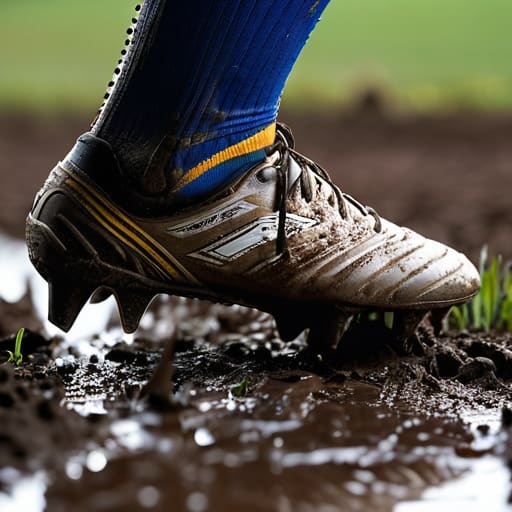
I’ve seen it a thousand times on a Sunday morning: a kid turns a corner, their foot catches a divot, and suddenly they’re clutching their leg while the rest of the game carries on without them. Half the time, the culprit isn’t just a lack of strength; it’s the gear they’ve strapped onto their feet. Everyone wants the latest, flashiest boots with the most aggressive stud patterns, but if those studs are designed for a pristine carpet in a stadium and you’re playing on a pitch that’s more bog than grass, you’re asking for trouble. When the studs can’t release from the ground because they’re buried too deep in the muck, the torque goes straight into the joint.
You cannot expect footwear for ankle stability to do the job that your muscles should be doing. If you’re wearing boots that are too heavy or, worse, so worn out that the lateral support has vanished, you are essentially inviting a roll. I don’t care how many ankle strengthening exercises you’ve done in the gym; if your boots are acting like anchors in the mud, you’re still a prime candidate for preventing lateral ankle sprains from becoming a recurring nightmare. Match the stud pattern to the surface, or don’t be surprised when the ground wins the fight.
Five things you’re likely ignoring while your players roll their ankles
- Stop treating the warmup like a social hour. If your players are just doing some light jogging and a few lazy stretches before a match, they aren’t ready. You need dynamic movements that actually fire up the stabilizers—think lateral lunges and single-leg hops—not just standing around waiting for the whistle.
- Watch the surface, not just the boots. I’ve seen countless lads get injured because they tried to play on a pitch that was half-mud and half-frozen turf in those cheap, lightweight boots that have zero lateral support. If the ground is uneven, they need stability, not just speed.
- Check their “proprioception”—that’s a fancy word for knowing where their feet are without looking at them. If a player can’t balance on one leg while I’m shouting instructions at them, they certainly won’t be able to manage a sudden change of direction when a winger bears down on them.
- Don’t let “playing through it” become a habit. If a player tells you they’ve had a “tweak” for three weeks, they aren’t being tough; they’re being reckless. An unstable ankle is a ticking time bomb, and once it goes, they’ll be out for a month instead of a week.
- Look at their fatigue levels, not just their fitness. Most ankle rolls happen in the final ten minutes when the legs are heavy and the brain is tired. If they aren’t conditioned to maintain their footing when the lungs are burning, no amount of ankle tape in the world is going to save them.
The Bottom Line
Stop treating ankle stability like a gym luxury; if you aren’t training them to handle a heavy tackle on uneven grass, you’re just waiting for them to go down in the second half.
Ditch the fancy, lightweight boots that offer zero support if your players are playing on heavy, waterlogged pitches—stability starts from the ground up.
Consistency beats intensity every time; five minutes of proper proprioception work every week is worth more than a month of heavy lifting followed by three weeks of doing nothing.
The Bottom Line
Look, I’m not interested in fancy recovery gadgets or expensive supplements that promise the world. At the end of the day, preventing a rolled ankle comes down to two things: building the actual strength to handle a heavy challenge and making sure your kit isn’t working against you. If you’ve bothered to work on those stability drills and you’ve stopped wearing boots that have lost their structural integrity, you’ve already done more than half the coaches I see on a Sunday morning. It’s about consistency over complexity. You don’t need a degree in sports science to understand that a strong foundation is what keeps a player upright when the pitch turns into a bog and the tackles get desperate.
Don’t wait for the first pop or the first time a player is limping toward the touchline to start taking this seriously. By then, you’re just playing catch-up with a physio. If you want your players to be reliable, you have to build them to be resilient by design, not by luck. It’s a bit of extra work in the warm-up, and it might feel like a chore when the wind is blowing sideways, but it’s the difference between a season of progress and a season spent on the sidelines. Get the basics right, keep them disciplined, and they’ll be the ones still running when everyone else has gone home.
Frequently Asked Questions
If my player has a slight tweak from a bad tackle, do I let them play through it or is that just asking for a long-term injury?
Look, I’ve seen this a thousand times. You think you’re being “tough” or “brave” by letting them limp through the second half, but you’re actually just gambling with their entire season. A “tweak” is your body’s way of telling you the mechanics are off. If they can’t plant their foot firmly without a wince, they shouldn’t be on that pitch. You pull them now, or you’ll be explaining to their parents why they’re out for three months.
Does the type of pitch—like moving from firm ground to a heavy, waterlogged surface—change the specific exercises they need to be doing?
It changes everything. If you’re playing on a firm, dry pitch, you’re dealing with impact and sudden, sharp changes of direction. That’s when you focus on stability and landing mechanics. But when that pitch turns into a swamp in November, the surface becomes unpredictable. Your players aren’t just fighting opponents; they’re fighting the ground itself. On heavy, waterlogged turf, you need to shift the focus to proprioception—training their brains and feet to react to that uneven, shifting muck before they roll an ankle.
At what age should I start introducing these stability drills, or is it too much for the younger kids?
Look, if you’re waiting until they’re teenagers to think about stability, you’ve already lost the battle. You don’t start with heavy resistance or complex protocols; you start with coordination. I’ve been running sessions for under-nines who can barely walk a straight line without tripping over their own shadow. Introduce balance through play—hopping through hoops or running through ladders—early on. If they can’t control their own body weight now, they won’t control it in a tackle later.
