I was standing on a touchline in mid-November, watching a lad who’d been untouchable for seventy minutes suddenly turn into a passenger because his team had gone two up. The opposition was throwing everything at them, the wind was whipping through the goalmouths, and my midfielders were chasing shadows like they’d forgotten how to walk. It wasn’t a lack of fitness—I’d checked their training loads—it was a total collapse in understanding how to manage game state. Most pundits will tell you it’s about “controlling the tempo” or “tactical shifts,” but that’s just fancy talk for losing your head when the game stops being a playground and starts being a fight.
I’m not here to sell you a theoretical masterclass or a spreadsheet full of data that won’t mean a thing when the rain starts lashing down. I want to talk about what actually happens when the scoreboard changes and the adrenaline spikes. I’m going to show you how to teach your players to read the clock, the score, and the opponent’s desperation so you don’t spend the final ten minutes praying for the whistle. This is about practical, hard-earned ways to keep your shape when the game tries to pull you apart.
Controlling the Tempo of Play Before Momentum Shifts
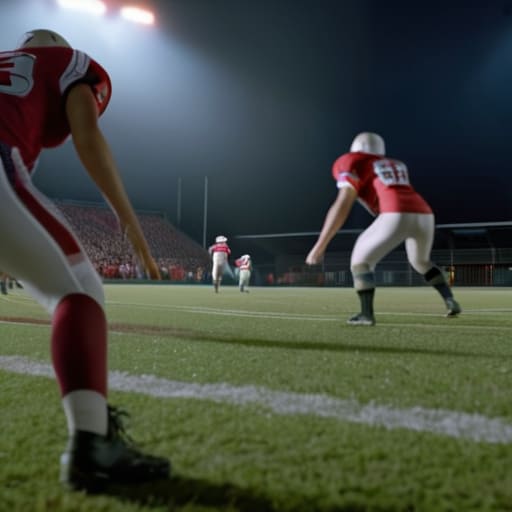
Most coaches make the mistake of thinking they can only react once the other team starts running. They wait for the storm to hit before they start looking for an umbrella. By then, it’s usually too late. If you want to avoid those sudden, heart-stopping momentum shifts in competitive play, you have to learn how to dictate the rhythm while you’re still in command. This isn’t about sitting on your heels and playing “hoof it” football; it’s about understanding when to accelerate and when to make the ball go dead.
When you have the upper hand, you need to be deliberate. I’ve seen countless teams lose a game they were winning simply because they played at a frantic pace that they couldn’t sustain. You have to master controlling the tempo of play by using short, purposeful passes to tire the opposition out, rather than playing every ball like it’s a cup final. If you feel the energy shifting, don’t panic—just slow the game down. A well-placed lateral pass or a controlled touch into the corner buys your players a moment to breathe and resets the tactical baseline before the pressure becomes unmanageable.
Strategic Adjustments Under Pressure When the Plan Fails
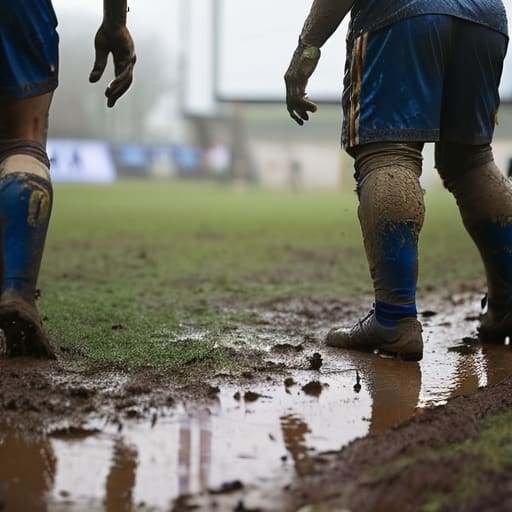
When the plan falls apart, most coaches panic and start shouting about “intensity,” as if volume could somehow fix a broken structure. I’ve seen it a thousand times: you’ve spent sixty minutes dominating, then a single misplaced pass leads to a goal, and suddenly your players are looking at the bench for answers. This is where strategic adjustments under pressure actually matter. You aren’t looking for a miracle; you are looking to stop the bleeding. If your midfield has lost the battle, stop trying to play out from the back like you’re at a Premier League academy. It’s February, the pitch is heavy, and your players are rattled. Sometimes, the most intelligent move is to simplify the game—drop the lines, tighten the gaps, and force them to earn every inch of grass.
Effective risk management during matches isn’t about playing scared; it’s about knowing when the cost of a mistake outweighs the reward of a brilliant pass. If you’re trying to close out a lead, you have to accept that you might not score another one. I tell my players: if we can’t control the ball, we must control the space. It’s about making the pitch feel small for them and even smaller for us.
Five Ways to Stop the Bleeding When the Game Changes
- Stop the frantic ball-chasing. When the momentum shifts and the opposition starts pinning you back, your players’ natural instinct is to sprint after the ball like it’s a runaway bus. That’s how you get tired and how you concede. Teach them to find their shape first. I’d rather see a disciplined, compact block that’s hard to break down than a disorganized mess of players lunging at shadows.
- Use the dead ball as your reset button. If you’ve just conceded or you’re being suffocated, don’t rush the restart. Take the extra five seconds on a goal kick or a throw-in. It sounds pedantic, but it gives your midfielders a chance to actually stop gasping for air and get into their positions. If you play too fast when you’re rattled, you’re just handing the ball right back to them.
- Identify your ’emotional anchors.’ Every team has one or two players who don’t panic when the rain starts coming down and the scoreline turns sour. When the game state shifts, you don’t need to scream instructions at everyone; you need to get your calmest head in the right area of the pitch. Find the player who can keep their head and use them to steady the ship.
- Manage the clock, not just the ball. If you’re ahead and the game is getting chaotic, stop trying to play beautiful football. You don’t need a thirty-pass sequence to keep possession; you need to keep the ball in the corners, win the throw-ins, and make the opposition run. Game management isn’t about being pretty; it’s about being efficient with the time you have left.
- Watch the fatigue, not just the tactics. I’ve seen plenty of “tactical collapses” that were actually just players who hadn’t eaten a proper breakfast or spent too much time on a screen the night before. If you see a player’s body language drop or their decision-making go to mush, don’t just blame the formation. If they’re physically spent, no amount of tactical instruction will save your game state.
The Bottom Line for Your Next Matchday
Stop chasing the ball like a pack of hungry dogs the moment you concede; game state management is about regaining your shape and your composure, not just sprinting harder.
If you haven’t planned your substitutions by the 60th minute, you aren’t managing the game, you’re just reacting to it—and reacting is usually how mistakes happen.
Real tactical control isn’t about complex passing patterns; it’s about knowing when to kill the clock with a simple, safe pass and when you actually have the legs to press high again.
The Reality of the Final Whistle
At the end of the day, managing the game state isn’t about having a laminated tactical sheet that looks pretty in the dugout; it’s about how you respond when the wind changes. We’ve talked about controlling the tempo to stop the bleeding before the momentum shifts and making those hard, necessary adjustments when your original plan hits the mud. If you can’t read the room—or in this case, the pitch—you’ll find yourself chasing shadows for the final twenty minutes. Remember, you aren’t just managing players; you are managing energy, emotion, and time. If you lose control of one, you lose all three, and no amount of clever tactical jargon will win you back the points you’ve let slip through your fingers.
I’ve seen plenty of coaches panic the moment a game stops following their script, and that’s exactly when they lose the dressing room. Don’t be that person. Coaching isn’t about being right from the first whistle; it’s about being resilient enough to be wrong and smart enough to fix it while the clock is ticking. It’s going to be cold, it’s going to be loud, and sometimes, despite your best efforts, things will go sideways. But if you keep your head, keep your players focused on the next task, and refuse to let the chaos dictate the rhythm, you’ll find that the game state belongs to you. Now, get out there and actually apply it.
Frequently Asked Questions
How do I tell the difference between a player who is genuinely gassed and one who has just mentally checked out because they're frustrated?
Look at their eyes and their body language, not just their lungs. A player who’s genuinely gassed is still scanning, still trying to find a pocket of space, even if they’re moving through treacle. They’re looking for the ball. A player who’s mentally checked out? They’ve stopped looking entirely. They’re staring at the grass, shoulders slumped, waiting for the whistle to save them. One is fighting the fatigue; the other is just waiting for the game to end.
If I've already made my tactical substitutions and the momentum is still swinging against us, what's my next move that isn't just shouting from the touchline?
If you’ve used your subs and the ship is still sinking, stop looking at your bench and start looking at your shape. You need to change the geometry of the pitch. If they’re running through you, stop trying to play out from the back like you’re in a textbook. Drop a line, compress the space between your midfield and defense, and force them to play wide. Make the game ugly. If you can’t win the battle, stop giving them room to fight it.
How much of "managing the game state" is actually about the players' positioning, and how much of it is just keeping them from panicking and hoofing the ball aimlessly?
It’s both, but let’s be honest: if they’re panicking, your positioning is irrelevant. You can have the perfect tactical shape, but if your center-back is seeing ghosts and hoofing it aimlessly because he’s terrified of losing, that shape is gone. Positioning provides the framework, but composure is the glue. You teach them where to stand so they feel secure, but you coach their heads so they actually have the guts to stand there when the pressure rises.
