I’ve seen enough “performance analysts” in shiny tracksuits try to sell clubs on expensive GPS vests and complicated data dashboards that require a degree in mathematics just to read a graph. It’s absolute nonsense. If you’re standing on a touchline in the middle of a freezing November afternoon, you don’t need a spreadsheet to tell you a lad is flagging; you need eyes. Most people make a mess of this by overcomplicating the basics, but learning how to monitor player wellness simply isn’t about high-tech sensors—it’s about noticing the way a player carries their shoulders when they walk onto the pitch.
I’m not here to sell you a subscription to a software platform or promise you a way to turn your teenagers into Olympic sprinters overnight. What I am going to do is show you how to use common sense and a bit of observation to figure out who is ready to go and who is one heavy tackle away from a long-term injury. I’ll give you the practical, boots-on-the-ground methods that actually work when you’ve got twenty minutes to prep a session and zero budget for gadgets. We’re going to focus on the real indicators that matter, so you can stop guessing and start coaching.
The Truth About Athlete Subjective Wellness Tracking
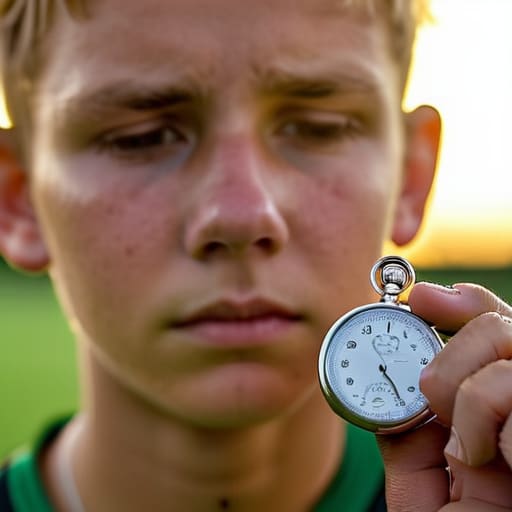
You’ll see plenty of academies using high-tech apps and fancy wearable tech to track every heartbeat and sleep cycle. For most of us, that’s a load of nonsense. I’ve spent thirty years on pitches where the only “tech” was a whistle and a stopwatch, and I can tell you that athlete subjective wellness tracking doesn’t need a subscription fee. It just needs you to actually look at the kids. If a player shows up with heavy legs and a glazed look in their eyes, no spreadsheet is going to tell you more than your own eyes will.
The problem with most modern load management strategies is that they try to quantify things that are inherently human. I don’t care about a data point telling me a lad slept six hours; I care that he’s dragging his feet during the warm-up. Instead of handing out complex forms, just ask three blunt questions before you start the session: How did you sleep? How sore are you? How’s your energy? If they’re flagging, you don’t cancel training, but you do adjust the intensity. You listen to the player, not the gadget.
Daily Wellness Survey Examples That Actually Work

Now, I’m not going to ask you to hand out iPads to a group of teenagers on a muddy pitch. That’s a recipe for a revolt. If you want effective daily wellness survey examples, keep them verbal or use a simple WhatsApp group. Ask three questions that actually tell you something: “How much did you sleep?”, “How sore are your legs?”, and “How’s your energy on a scale of 1 to 5?” If a lad tells you he’s a ‘two’ on energy but he’s been playing video games until 3:00 AM, you aren’t looking at a fitness issue; you’re looking at a discipline issue.
Don’t get bogged down in complex recovery metrics for coaches that require a degree in sports science to interpret. The goal isn’t to build a spreadsheet; it’s to spot the trend. If your captain has reported low sleep and high soreness for three days straight, you don’t push him through a high-intensity shuttle run on Thursday. You scale it back. That isn’t coddling; it’s smart load management that keeps your best players on the pitch rather than in the physio room.
Five Ways to Spot the Fade Without a Spreadsheet
- Stop looking for a data scientist and start looking at their feet. If a lad who usually sprints to the corner flag is suddenly jogging to retrieve the ball, he’s not being lazy; he’s redlining. Watch the gait, not the graph.
- Ask the “Last 72 Hours” question. If a player tells you they’re tired, don’t just nod. Ask if they’ve been up late playing video games or if they’ve been doing manual labour on a Saturday. Context is the difference between poor conditioning and a bad night’s sleep.
- Use the “Three-Question Rule” at the start of training. Don’t bother them with a ten-minute survey. Just ask: How did you sleep? How sore are the legs? How’s the head? If they give you one-word answers while looking at the ground, you know you’re dealing with a burnout risk.
- Watch the intensity of the warm-up. The warm-up is your most honest diagnostic tool. If the group is sluggish during the basic dynamic movements, don’t push them into a high-intensity tactical drill. You’ll only end up with a hamstring tear and a very long phone call to a parent.
- Trust your gut over the “wellness score.” If your spreadsheet says a player is a green light but your eyes tell you he’s moving like he’s stuck in treacle, trust your eyes. I’ve spent thirty-five years on touchlines; I know the difference between a player who’s slightly tired and one who’s about to break.
The Bottom Line for Your Next Session
Stop looking for a magic number on a spreadsheet; if a player’s eyes look glazed and their movement is heavy during the warm-up, they aren’t “ready,” no matter what their sleep score says.
Keep your check-ins shorter than a halftime talk—if you’re asking them to fill out a ten-minute survey, they’ll just click random buttons to get back to the changing room.
Use the data to spot patterns, not to punish players; if the same three lads are flagging every Thursday, it’s not a lack of discipline, it’s a failure in how you’re managing their load.
The Bottom Line
Look, you don’t need a degree in sports science or a tablet with a subscription fee to understand if your squad is redlining. We’ve covered the basics: stop overcomplicating the data and start looking at the actual human beings in front of you. Whether it’s a quick three-question text on a Sunday night or just watching how a lad carries himself during the warm-up, the goal is the same. You are looking for patterns, not perfection. If three of your midfielders are reporting poor sleep and heavy legs three days running, you don’t need a spreadsheet to tell you that Tuesday’s session needs to be light, or you’re just begging for a hamstring tear in the middle of a match.
At the end of the day, coaching isn’t about managing numbers; it’s about managing people. You can have all the data in the world, but if you aren’t listening to the players and observing their movement on a cold, muddy pitch, you’re just shouting at a screen. Use these simple checks to stay ahead of the fatigue, but never lose that instinct you’ve built up over the years. Do the work, watch the players, and trust your eyes. If you do that, you’ll find your team stays sharper, longer, and ready when the whistle actually blows.
Frequently Asked Questions
How do I stop the players from just ticking 'fine' on every box every single day because they want to get on with training?
Look, if you hand a lad a clipboard and ask how he feels, he’ll say “fine” just so you’ll stop talking and let him kick a ball. It’s human nature. To break that habit, stop asking general questions. Instead of “How is your sleep?”, ask “Did you wake up feeling rested or like you’ve been hit by a bus?” Specificity forces a real answer. If they can’t give you a detail, they aren’t paying attention.
If a player tells me they've had a rubbish night's sleep, do I actually bench them, or do I just tell them to get on with it?
If you bench every kid who had a late night, you’ll never field a team. But if you ignore it, you’re asking for a hamstring tear in the second half. Don’t bench them, but don’t let them run the high-intensity drills either. Scale it back. Give them the technical work, keep the load low, and watch how they move. If they’re dragging their feet, they’re a liability, not a player.
How much time am I actually going to lose in a session if I'm spending ten minutes asking kids how they feel before we even touch a ball?
You aren’t losing ten minutes; you’re saving forty. If you spend ten minutes at the start asking how they slept or if their ankles feel dodgy, you might find out half your squad is running on empty. It’s better to know that now than to spend the next hour watching them stumble through drills, getting frustrated, and eventually picking up a hamstring strain that puts them out for a month. Real coaching is about adjusting the plan, not following it blindly.
