I’ve sat on enough damp plastic benches to know that most clubs approach selection day like they’re scouting for the national team, armed with overpriced iPads and “data-driven” metrics that mean absolutely nothing when the wind starts howling. They think if they tick enough boxes on a spreadsheet, they’ve figured out how to run trials fairly, but they’re missing the point entirely. I once watched a lad with the most polished technical drills I’ve ever seen completely crumble the moment a teammate breathed near him during a small-sided game. If you aren’t looking at how a player handles a bit of pressure or a bit of mud, you aren’t actually evaluating talent; you’re just watching a choreographed performance.
I’m not here to give you a lecture on sophisticated scouting software or how to build a complex grading rubric. Instead, I’m going to tell you what actually matters when the whistle blows: character, spatial awareness, and that unspoken grit that shows up when the legs get heavy. I’ll show you how to cut through the noise and build a selection process that actually identifies the players who will show up for you in November, not just the ones who look good in a pristine kit in September.
Standardized Assessment Protocols Over Gut Feelings
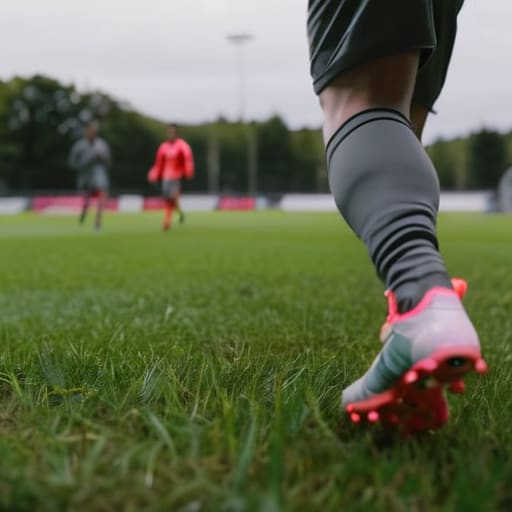
I’ve seen it a hundred times: a coach stands on the touchline, nods at a lad in a bright neon kit who’s doing too much fancy footwork, and scribbles “star player” in his notebook. Meanwhile, the kid in the faded grey tracksuit who’s actually making the smart, simple runs gets overlooked because he isn’t “eye-catching.” That isn’t coaching; it’s a vanity project. If you want to stop picking players based on who makes you feel good, you need to move away from your gut and toward standardized assessment protocols. Your “gut feeling” is often just a collection of prejudices dressed up as intuition.
To actually improve your process, you need to establish objective evaluation criteria before the first whistle even blows. Don’t just watch the game; score the specifics. How many times did they scan their shoulder before receiving? How quickly did they recover their position after a turnover? By focusing on these measurable actions, you are effectively mitigating unconscious bias in selection. It’s much harder to let your preference for a “natural talent” cloud your judgment when you have a checklist of technical and tactical standards that every single child has to meet.
Ensuring Equitable Trial Processes in the Rain

Look, I’ve stood on pitches where the wind is coming sideways and the mud is up to your shins, and I know exactly how a trial can go sideways when the weather turns. When it’s freezing and visibility is rubbish, your brain starts looking for shortcuts. You find yourself gravitating toward the kid who’s loud, energetic, and easy to spot through the drizzle, while the quiet, technical player tucked away in the corner gets overlooked. That is how you fail at ensuring equitable trial processes. If you aren’t careful, the environment itself dictates your decisions, and that’s a recipe for a lopsided squad.
To combat this, you need to stop relying on who “looks” like a player and start using objective evaluation criteria that stay constant regardless of the weather. If you’re running a shuttle run or a passing drill, the numbers don’t care if it’s pouring rain. By sticking to a set list of markers—speed, first touch, or spatial awareness—you are actively mitigating unconscious bias in selection. Don’t let a bit of sleet turn your coaching into a popularity contest; keep your eyes on the technical output, not just the kid who’s making the most noise in the storm.
Five Truths for the Sidelines: How to Spot Real Talent Without the Bias
- Watch the kid who loses the ball, not just the one who scores the goal. Anyone can get lucky with a deflection in a chaotic trial, but I want to see how a player reacts the second that ball goes astray. Do they put their head in their hands, or do they immediately hunt it down? That tells me more about their character than a flashy nutmeg ever will.
- Stop comparing players to the ‘star’ you had last year. Every season brings a different crop, and if you spend the whole afternoon thinking about how much better Jimmy was in 2019, you’re going to miss the kid standing right in front of you who actually fits your current system. Judge them on what they can do today, not on a ghost from your past.
- Test their concentration, not just their skill. A trial is a long, boring, freezing afternoon for a thirteen-year-old. If a player can show me they can stay focused and listen to instructions when they’re tired and wet, they’ll be able to handle a match in the 80th minute. If they’re constantly chatting or drifting off, their technical ability won’t save them when the pressure is on.
- Group them by function, not just by age. It’s a mistake to just throw twenty kids into a big scrimmage and hope for the best. You need to see how a defender holds a line and how a midfielder finds space. If you don’t give them specific roles during the drills, you aren’t testing their football intelligence; you’re just testing who is the fastest runner in the group.
- Keep your notes simple and immediate. If you wait until you get home to the warm kitchen to try and remember who did what, you’ve already lost the plot. Carry a clipboard, use a basic 1-to-5 scale for core traits, and write down one specific thing they did well—or poorly—right then and there. Your memory will fail you by the time you reach the car, and “gut feeling” is just another word for being wrong.
The Bottom Line for Your Next Trial
Trust the clipboard, not your gut; a player might have a flashy first touch, but if they aren’t hitting your pre-set technical markers, they aren’t the player you think they are.
Watch how they handle the mess, not just the skill; a kid who keeps their head up when the pitch turns into a swamp tells you more about their character than a player who only shines on a dry, sunny morning.
Stop looking for the finished product and start looking for the ability to listen; the most talented player in the trial is useless to you if they can’t process a single instruction once you’ve finished speaking.
The Final Whistle
At the end of the day, running a fair trial isn’t about finding the kid who looks like a mini-version of a Premier League winger; it’s about having the discipline to look past the flash and focus on the fundamentals. You’ve got to move away from that dangerous habit of picking players based on a “feeling” in your gut, especially when that feeling is just a reaction to a bit of individual flair. Stick to your protocols, keep your assessments consistent regardless of whether the pitch is dry or a swamp, and make sure you are measuring what they actually do when the pressure is on. If you rely on a structured process rather than your own biases, you won’t go home wondering if you missed the real talent because you were too busy being dazzled by a bit of step-overs.
Remember, these trials are about more than just filling a squad list; they are about setting the standard for the culture you want to build at your club. If you run a trial that is disorganized, biased, or frankly, chaotic, you are telling those players and their parents that your club doesn’t value integrity over convenience. It’s hard work, and it’s often cold, wet, and thankless, but doing it right matters. When you build a system that is fair, you aren’t just selecting a team—you are building a foundation of respect that will last long after the mud has been washed off the boots.
Frequently Asked Questions
What do I do when one kid is clearly better than the rest but has a temperament that'll rot the rest of the squad from the inside?
Listen, I’ve seen it a hundred times. You find a kid who can play circles around the lot, but he’s a poison in the dressing room. If he’s tearing his teammates down or ignoring your instructions, he isn’t “talented”—he’s a liability. I don’t care if he’s the next big thing; if his temperament rots the squad, you haven’t signed a player, you’ve signed a headache that will cost you more games than his goals will win you. Choose the character.
If I'm running a trial with only two coaches, how do we stop ourselves from subconsciously picking the players who play the way we used to play?
Look, it’s the oldest trap in the book. You see a kid who plays exactly like you did at nineteen—all grit and directness—and you instinctively think he’s your man. But you aren’t recruiting for your own nostalgia; you’re recruiting for your team’s needs. Sit down with your fellow coach before the whistle blows. Agree on three specific traits you need for this squad, not your own highlight reel. If you don’t define the criteria first, you’re just picking your own ghosts.
How do I explain to a parent that their kid didn't make the cut without turning it into a thirty-minute debate about my assessment criteria?
Don’t walk into a trap of defending your notes. The moment you start justifying your “assessment criteria,” you’ve lost; you’re just giving them a list of things to argue against. Keep it brief and keep it about the squad, not the child. Tell them clearly: “We had forty kids for six spots, and we had to make some incredibly difficult decisions based on the specific balance we need for this season.” If they push, don’t budge. You’re the coach, not a negotiator.
