I once spent forty minutes trying to explain a high-press transition to a group of twelve-year-olds, only to watch the entire tactical shape disintegrate because the pitch was more crater than grass. They weren’t losing their discipline; they were simply trying to navigate a minefield of frozen mud and rogue divots. Most people will give you a glossy, academic lecture on the physics of friction, but if you’re looking for a complete guide to playing surfaces that actually accounts for a waterlogged pitch in November, you won’t find it in a textbook. You need to know how the ground under your boots dictates whether your players can actually execute a pass or if they’re just fighting for balance.
I’m not here to sell you on expensive stadium turf or talk about the “optimal bounce” of professional-grade hybrid grass. I’m going to tell you how to adapt your training when the surface is working against you. We’ll look at what real-world grass, artificial turf, and even that concrete patch behind the school can do to your drills, your players’ joints, and your patience. No hype, just the truth about what actually works when the weather turns and the ground gets difficult.
Artificial Turf vs Natural Grass the Battle for Longevity
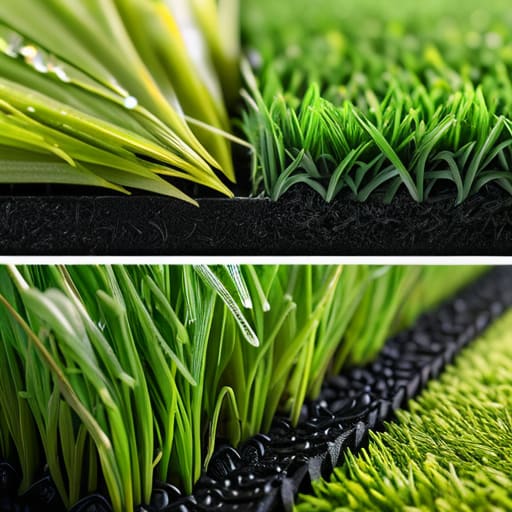
I’ve spent enough Sunday mornings watching kids slide across a pitch to know that the debate of artificial turf vs natural grass isn’t really about what looks better on a brochure; it’s about what’s going to happen to a teenager’s ankles by the time they hit eighteen. Natural grass is the gold standard for a reason—it gives, it breathes, and it offers a predictable surface texture for athletic performance that your joints will thank you for. But let’s be honest, if you’re running a club in the North, a pristine grass pitch is a luxury that disappears the moment the first frost hits or the first heavy rain turns the center circle into a bog.
That’s where the all-weather pitch comes in. The draw of all-weather playing fields is obvious: you can run a session at 7:00 PM on a Tuesday in November without worrying about a flooded pitch. However, don’t let the convenience fool you. If the synthetic pitch maintenance has been neglected and the infill is packed down hard, you aren’t playing football; you’re playing on a glorified driveway. You lose that vital impact absorption in sports surfaces, and suddenly, your players aren’t complaining about the scoreline—they’re complaining about their knees.
Why Surface Texture for Athletic Performance Matters Most
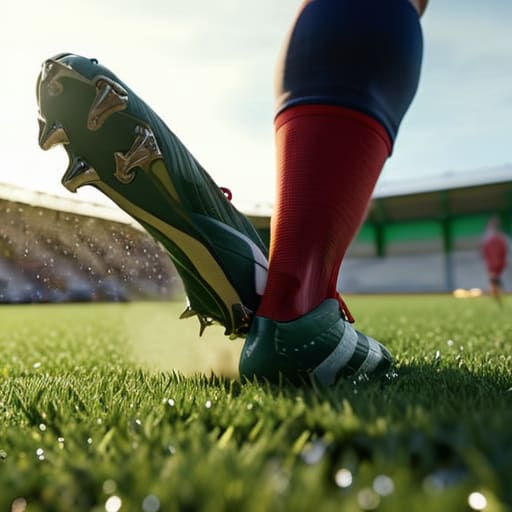
You can have the best tactical shape in the world, but if the ground is fighting your players every time they plant a foot, that shape will disintegrate. I’ve seen teams lose their rhythm not because they lacked the skill, but because the surface texture for athletic performance was working against them. When a pitch is too hard, every sudden change of direction feels like a jolt to the ankles and knees; when it’s too soft or uneven, the ball doesn’t roll—it skips or dies. You aren’t just coaching players; you’re coaching them to negotiate with the ground.
The real issue most people overlook is how impact absorption in sports surfaces dictates the intensity of your session. On a poorly maintained natural pitch, a player’s deceleration is unpredictable, forcing them to compensate with awkward, injury-prone movements. Conversely, some cheap synthetic options are so unforgiving they feel like running on a driveway. If the surface doesn’t give just enough to allow for a sharp turn, but remains consistent enough to trust, your players can actually focus on the game rather than worrying about their joints every time they sprint.
Five Real-World Rules for Training When the Ground Decides to Fight Back
- Stop planning high-speed technical drills if the pitch is a bog. If the surface is heavy and waterlogged, you aren’t training agility; you’re just teaching your players how to trudge through mud, and you’ll have half your squad in the physio’s office by Tuesday.
- Check the ‘bounce’ before you commit to a session. I’ve seen too many coaches try to run intricate passing patterns on old, compacted concrete or hard-packed dirt where the ball skids and skips like a stone. If the ball doesn’t behave, your drill is a waste of time.
- Match your footwear to the reality of the ground, not the fashion in the catalogue. If you’re on uneven, natural grass, those tiny firm ground studs won’t cut it; you need something that actually bites, or you’ll spend the whole session watching your players slip every time they try to turn.
- Watch the temperature of the surface as much as the weather. Artificial turf in the height of summer is a heat trap that’ll drain your players’ energy before the first whistle, while frozen ground is a recipe for broken ankles. Adjust your intensity accordingly.
- Don’t blame the players for poor technical execution when the surface is the culprit. If a kid misses a control because the ball took a wicked, unpredictable hop off a divot, don’t scream about his first touch—adjust the drill to something that works on that specific patch of earth.
The Bottom Line for Your Sessions
Stop chasing the “perfect” pitch; instead, pick the surface that matches your training goal. If you’re working on technical precision and quick passing, you need a flat, predictable surface like 3G, but if you’re building the grit and physical strength needed for a Saturday league scrap, you’ll eventually have to deal with the unevenness of real grass.
Watch your players’ joints, not just their feet. Artificial turf is great for consistency, but it’s unforgiving on the knees and ankles if you’re running high-intensity drills for ninety minutes straight; always balance your weekly load to avoid a sudden influx of “unexplained” niggles.
Respect the weather, because the surface won’t. A tactical drill designed for a dry, firm pitch is useless the moment the rain turns your training ground into a swamp, so always have a backup plan that accounts for how the ground is actually behaving that day.
The Bottom Line
Look, at the end of the day, you aren’t choosing a surface based on a glossy brochure or what the Premier League academies are using; you’re choosing it based on the reality of your Tuesday night session. We’ve talked about how natural grass offers that predictable ball roll but demands a maintenance budget you probably don’t have, and how artificial turf can save your knees if it’s high-quality, but turn them into gravel if it’s cheap rubbish. Remember that the texture and consistency of the ground will dictate whether your players are focusing on their tactical positioning or just trying not to slip on a patch of frozen mud. If the surface is working against them, your coaching will never reach its full potential because you’ll spend the whole hour managing injuries instead of improving players.
I’ve spent thirty-five years standing on pitches that were more hole than grass, and I can tell you this: the surface is just the stage, not the play. You can have the most expensive hybrid turf in the county, but if your players don’t understand the principles of the game, they’ll still struggle when the pressure is on. Don’t get so caught up in the debate over synthetic versus organic that you forget the goal is to develop footballers who can adapt to any environment. Build your drills around the ground you actually have, teach them to find their footing, and focus on the football that happens regardless of what’s under their boots.
Frequently Asked Questions
If I’ve got a choice between a slightly uneven grass pitch and a brand new 3G artificial surface, which one is actually going to save my players' knees in the long run?
Look, if you’re asking about long-term joint health, you’ve hit on the great coaching paradox. That uneven grass pitch is a nightmare for rolled ankles and sudden lateral shifts, but that brand-new 3G surface? It’s a different kind of beast. It’s unforgivingly consistent. It doesn’t give under pressure, which means your players’ knees and hips take the full brunt of every sudden stop. If they’re playing on 3G every week, they aren’t dealing with uneven ground, but they are dealing with relentless impact. Choose the grass, keep it mown, and watch the footing.
How do I adjust my training drills when we move from a dry, fast grass pitch to a heavy, waterlogged mud bath?
Stop trying to play beautiful, expansive football when the pitch looks like a construction site. If the ball is stuck in the mud, your high-tempo passing drills are a waste of everyone’s breath and energy. Shift your focus. Instead of long-range precision, drill short, sharp, purposeful movements. Focus on strength, shielding the ball, and playing “heavy” passes. If they can’t glide, teach them to grind. It’s about survival and efficiency now, not aesthetics.
Is there a way to tell if an artificial pitch is poorly maintained and about to become a hazard, or is it just "part of the game"?
Look, there’s a line between “character-building” and “injury-waiting-to-happen.” If you see divots or uneven patches, that’s natural grass being neglected. But with artificial, watch for the “dead spots.” If the infill has migrated to the sides, leaving hard, compacted patches in the middle, you’re basically playing on concrete. If the ball takes a sudden, violent skid or a player’s boot feels like it’s being swallowed by a hole, get off it. That’s not “part of the game”; that’s a trip to the physio.
