I’ve spent half my life standing on touchlines where the wind cuts through your marrow and the pitch is more puddle than grass, and if there’s one thing that gets my goat, it’s the marketing nonsense surrounding modern gear. You’ll see these glossy adverts claiming a player needs a three-hundred-pound pair of boots with carbon-fibre plates just to kick a ball around a muddy park on a Sunday morning. It’s nonsense. Most of these “revolutionary” gadgets are just expensive ways to drain your wallet without actually improving your first touch or your stamina. If you’re looking for a complete guide to football equipment that promises magic in a box, you’ve come to the wrong place; I’m not here to sell you on the latest overpriced hype.
What I am going to do is tell you what actually holds up when the rain starts lashing down and the game gets physical. I’ll break down the essentials—the bits that actually protect your joints and keep you moving—without the jargon or the fluff. This isn’t about what looks good in a shop window; it’s about gear that survives the reality of a long season. I’ll tell you what to buy, what to skip, and why your choice of kit matters more when the pitch turns to soup.
Essential Football Gear for Beginners Who Actually Play
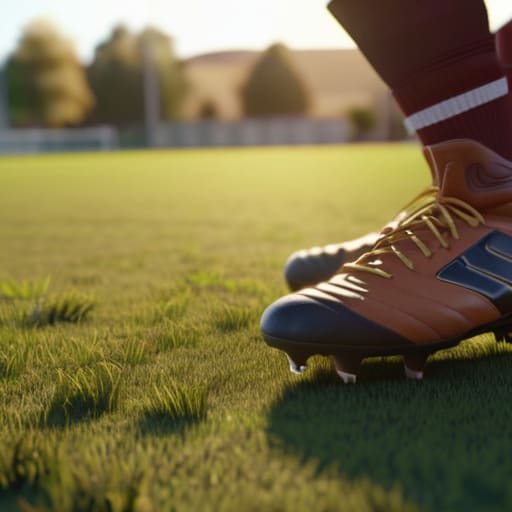
When you’re starting out, the biggest mistake I see is spending a week’s wages on the latest “pro” kit only to realize you’ve bought the wrong tools for the job. If you’re looking for essential football gear for beginners, start with the basics that actually touch the ground. Don’t get distracted by the flashy colours; focus on your boots. You need to be choosing the right football studs based on where you’re actually playing. If you turn up to a local park pitch with long, aggressive metal studs when the ground is bone-dry, you’ll be hobbling home with bruised feet before the second half is over.
Next, let’s talk about the stuff that keeps you in the game. I’ve seen plenty of lads skip out on decent football shin guard protection because they think it’s a hassle to wear. It isn’t. A stray tackle from a heavy-footed midfielder will remind you very quickly why those bits of plastic matter. Similarly, don’t go buying expensive, skin-tight performance football apparel just because a professional does it on TV. You need layers that breathe and move with you, not something that makes you feel like you’re wrapped in clingfilm while you’re trying to catch your breath.
Match Ball Specifications That Matter Beyond the Hype

Don’t let the glossy brochures fool you; a ball that looks like a spaceship in a showroom often performs like a brick once the rain starts coming down. When you’re looking at match ball specifications, stop obsessing over the flashy patterns and start looking at the construction. You want a ball that holds its shape when a heavy-set midfielder puts their weight into a volley. If it’s a cheap, bladder-filled thing that goes limp after twenty minutes of play, you aren’t training; you’re just kicking a wet sponge around.
I’ve seen too many lads spend a fortune on “pro-grade” spheres that are so light they dance in a stiff breeze, making it impossible to find a rhythm. You need something with consistent flight and predictable bounce. If you’re moving up from the basics, look for thermally bonded seams rather than the old-fashioned stitched ones. Stitched balls soak up water like a sponge, becoming heavy, lopsided, and frankly, dangerous for your ankles. It’s one of those pieces of essential football gear for beginners that people overlook, but a ball that behaves predictably is the difference between a productive session and a frustrating afternoon of chasing a heavy, waterlogged mess.
Five Things Most Coaches Won't Tell You About Your Kit
- Don’t go chasing the latest “pro-grade” lightweight boots if you’re playing on a pitch that’s more peat than grass. You’ll spend ninety minutes sliding past the ball like you’re on ice. Get something with a bit of substance and a stud pattern that actually bites into the mud, or you’ll be useless by the second half.
- If you’re buying shin guards, forget the ones that look like thin pieces of plastic from a supermarket shelf. You need something that actually covers the bone. I’ve seen too many lads walk off with a bruised tibia because they wanted to save a couple of quid on gear that offers about as much protection as a postcard.
- Stop buying those fancy, tight-fitting compression tops if they make you feel like you can’t actually breathe. At the end of the day, if you’re playing in a freezing February session, you need layers that trap heat but don’t restrict your movement when you’re trying to turn. If you can’t move, you can’t play.
- Check your socks. I’m serious. It sounds trivial, but if your socks are constantly slipping down your calves or bunching up around your ankles, you’re going to get blisters, and you’re going to spend half the game adjusting them instead of watching the play. Get proper football socks that stay where they’re supposed to.
- For the goalkeeper, don’t skimp on the gloves just because you think you’ll “get the hang of it.” A pair of gloves with decent palm grip isn’t a luxury; it’s the difference between catching a shot and having it punch straight into a striker’s path. If the grip is gone, the gloves are just expensive mittens.
The Bottom Line Before You Hit the Pitch
Don’t get blinded by the shiny new tech or the latest sponsorship deals; if a piece of kit doesn’t help you play better or keep you from getting injured on a Tuesday night under dodgy floodlights, it’s a waste of your money.
Gear is only as good as the player using it, but the wrong boots or a ball that’s lost its shape will sabotage even the best training session before it’s even halfway through.
Invest in what lasts and what works in the mud, not what looks good in a catalogue; I’ve seen more sessions ruined by poor footwear and cheap equipment than by a lack of tactical awareness.
The Bottom Line
At the end of the day, your kit list shouldn’t be a shopping spree driven by whatever shiny catalogue is currently being pushed by the big brands. We’ve covered the essentials: boots that actually grip when the pitch turns into a bog, balls that don’t feel like a brick against your shin, and the basic protective gear that keeps you on the pitch rather than in the physio’s room. It’s easy to get distracted by the latest tech and the neon colours, but remember that reliability beats aesthetics every single time. If your gear fails you in the middle of a match, it doesn’t matter how much you paid for it; you’re just a player standing in the rain with a problem. Invest in stuff that lasts and functions when the pressure is on.
Ultimately, though, I want to be very clear about one thing: no amount of high-end equipment is going to win you a game. I’ve seen lads turn up in the most expensive, custom-moulded boots imaginable only to spend ninety minutes chasing shadows because they haven’t put the work in on a Tuesday night. Gear is there to support your ability, not to replace it. Use the right tools to stay safe and play your game, but don’t let the equipment become the focus. The football is played in the head and the feet, not in the brand name on your socks. Now, stop reading about it and go out and actually use what you’ve got.
Frequently Asked Questions
I've got a decent pair of boots, but how do I know if they're actually suited for the pitch we play on every Sunday, or if I'm just wasting my money?
Look, don’t let a shiny box and a massive brand name do the thinking for you. If you’re playing on a Sunday morning pitch that’s more bog than grass, those lightweight, thin-soled “speed” boots are going to leave you skidding like a newborn calf. You need studs that actually bite into the mud. If you find yourself constantly losing your footing or feeling like you’re walking on stilts, you’ve bought the wrong tool for the job.
Is there any point in buying the expensive, high-tech goalkeeper gloves, or am I better off sticking to something basic that won't fall apart after three muddy sessions?
Look, if you’re playing on a concrete playground or a gravel pitch every Tuesday, save your money. High-end latex is like silk; it’ll shred the moment it touches a bit of grit. But if you’re actually playing on real grass—especially the muddy, uneven stuff—that extra grip matters. A decent pair of mid-range gloves will give you the confidence to actually commit to a save, rather than watching the ball slip through your hands.
When it comes to training gear, should I be investing in specific layers for the winter, or is a standard tracksuit enough to get through a session?
If you think a standard tracksuit is going to keep you warm when the wind is whipping across a waterlogged pitch in January, you’re dreaming. A tracksuit is fine for the walk from the car to the dugout, but once you’re moving, the sweat hits the cold air and you’ll freeze. Invest in proper base layers—the tight, moisture-wicking stuff. It keeps the heat in and the dampness out. Don’t be the person shivering through the final drill.
